A merchant in a southern trading town told me he never signed a lease without first bowing at the Cheng Huang temple down the street. Not for luck alone — he said the City God kept the accounts of the place, and a stranger who ignored him ignored the town itself. That practical reverence is exactly what Cheng Huang Ye has always drawn.
Cheng Huang Ye, the City God, is one of the most local yet most powerful figures in the Taoist pantheon. Below we look at his job, how a town gained its own City God, the strange annual audit tied to him, and what a visit asks of us today.
A god with a day job
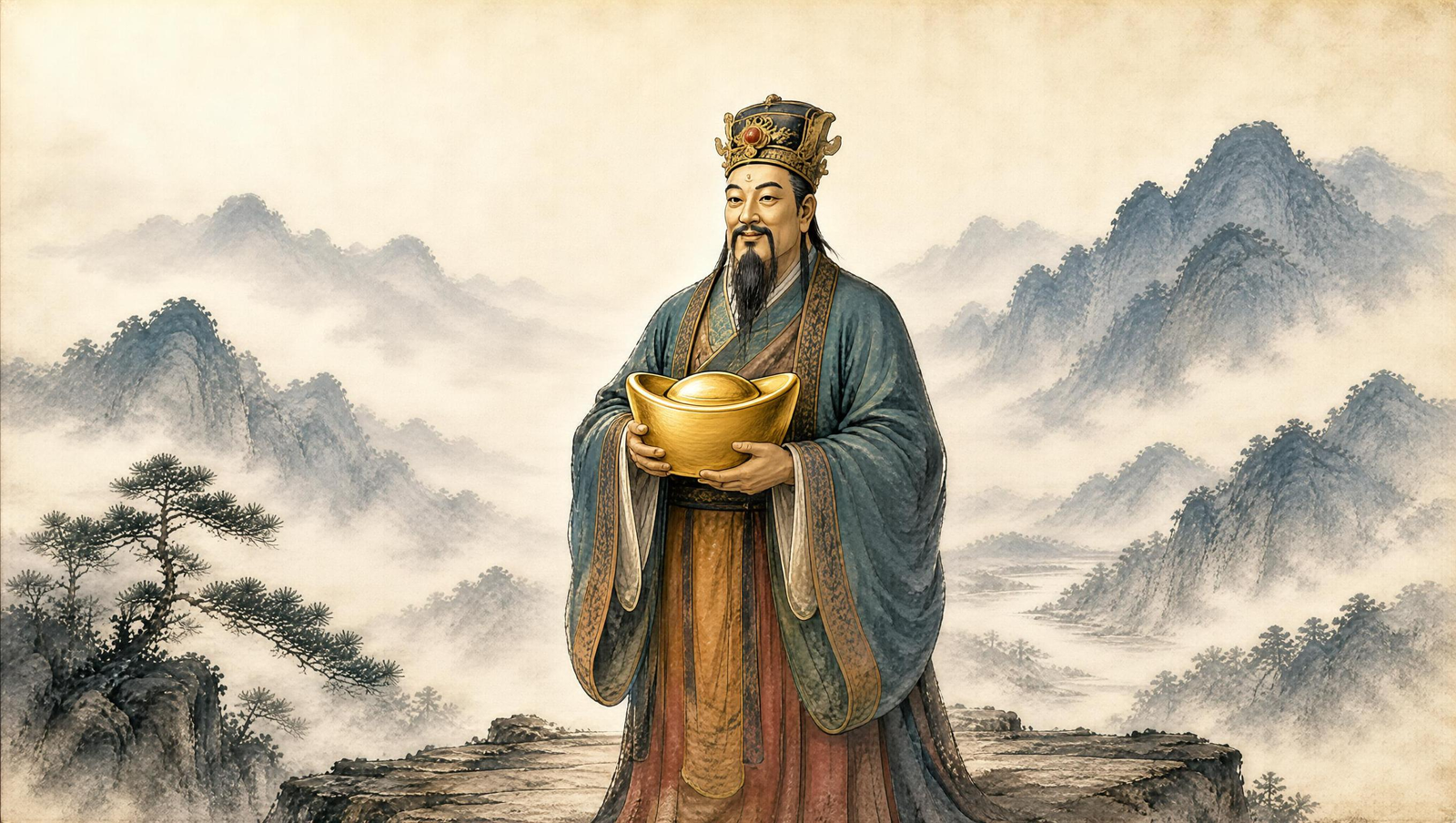
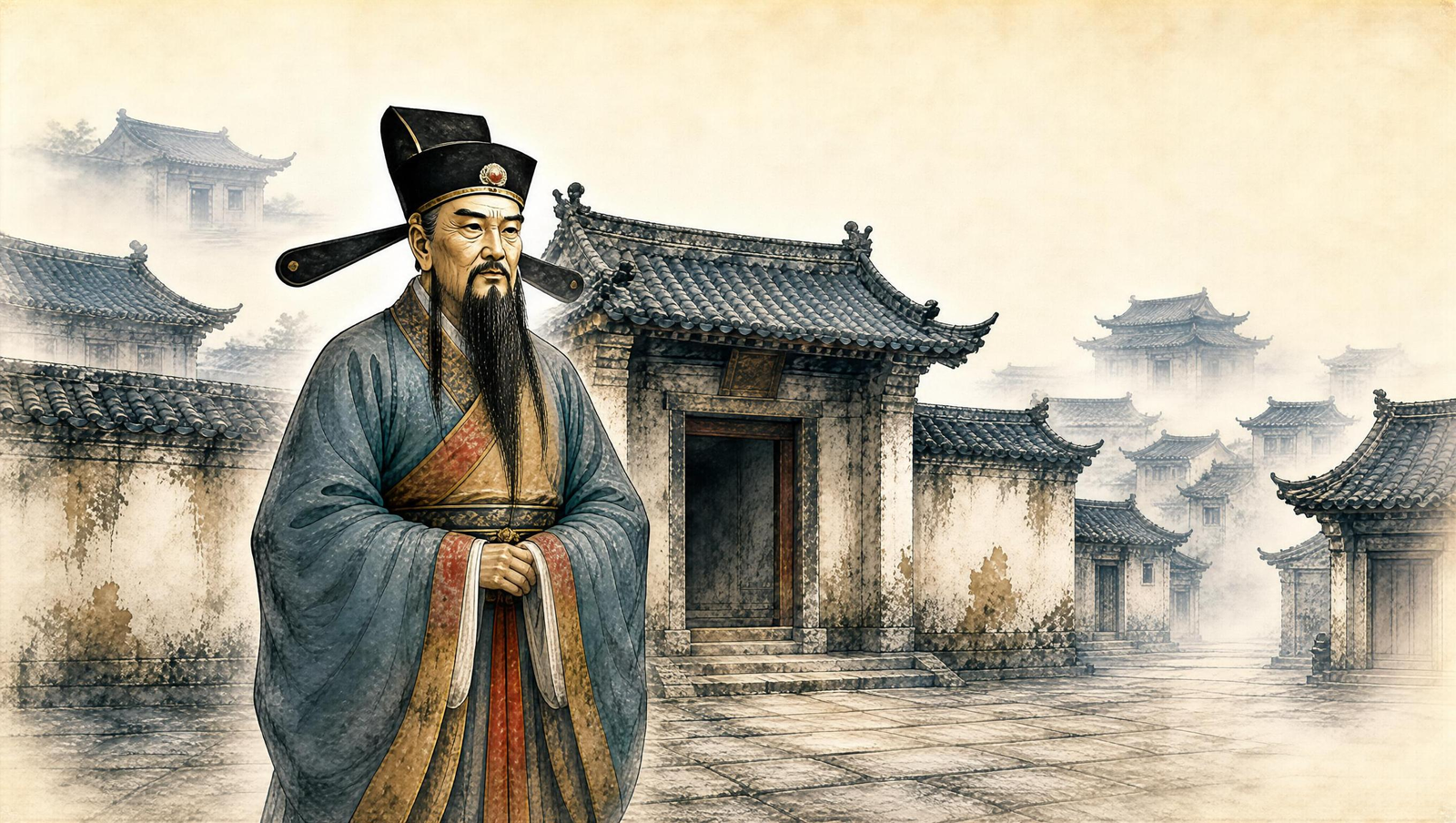
Unlike the high celestial rulers, the City God is a local administrator. Each walled town and city had its own Cheng Huang, tasked with protecting the place, recording the deeds of its residents, and reporting upward through the spirit bureaucracy. He is the heavenly counterpart of the earthly magistrate — same desk, different court.
His rank sits below the great emperors of heaven. Where the Jade Emperor governs all gods and human affairs, the City God governs one place, intimately and daily. The two together show the Taoist genius for scale: a vast heaven administered through very small offices.
How a town got its City God
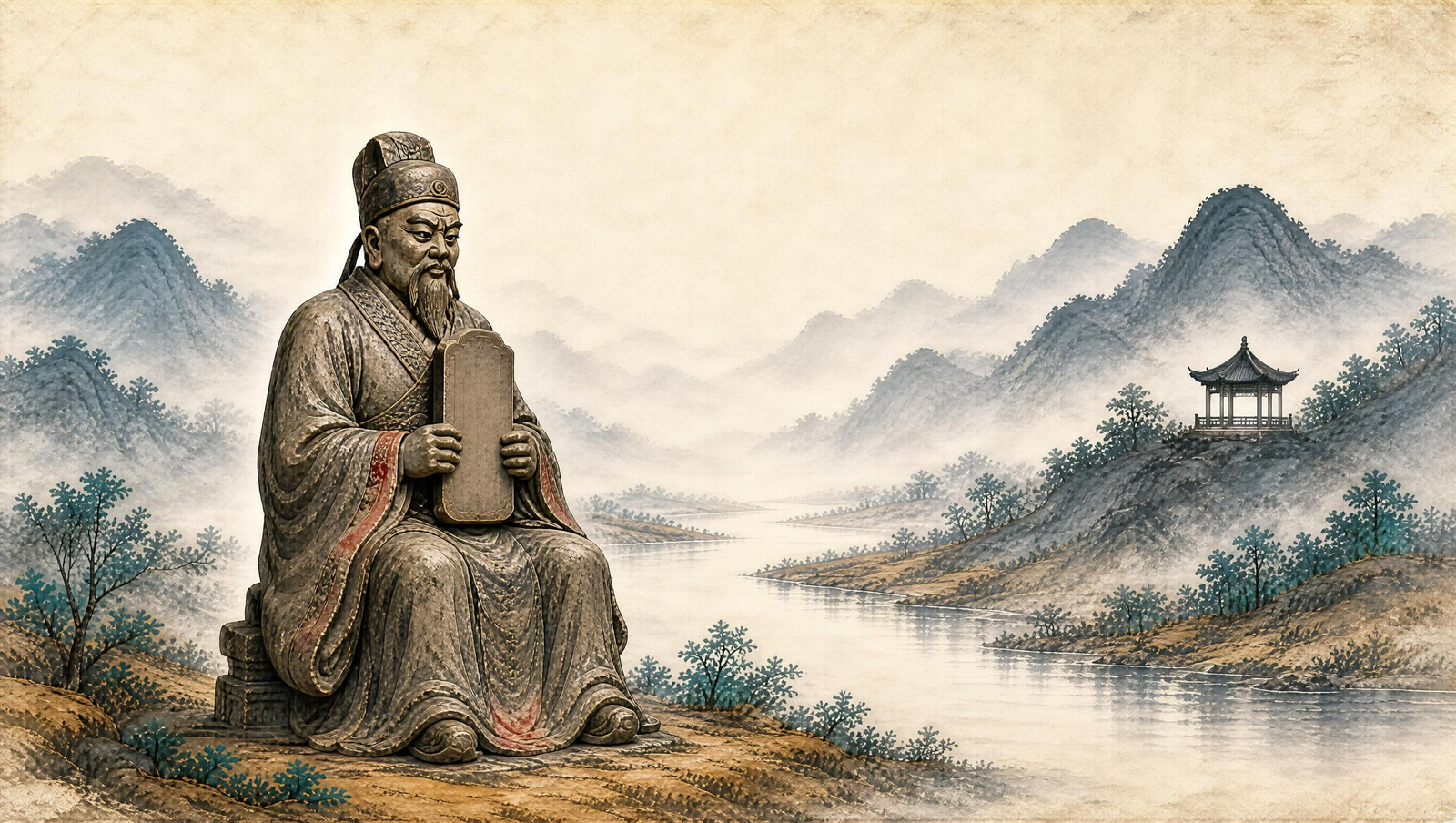
Many City Gods began as real people — upright officials, loyal generals, or local heroes — who after death were honored as the guardian of the town they served. A community would petition to have its worthy dead raised to the post. The office was thus both inherited and earned, a mirror of how the town wished to be governed.
This made the City God deeply local. The Cheng Huang of one city was not the Cheng Huang of another. To know a town's guardian was to know the town's values, because the god was chosen from the town's own best memory.
The annual audit
The most distinctive rite is the birthday audit. On the City God's festival the temple stages a review of the past year's good and bad deeds recorded in the town, sometimes with a symbolic judgment of written petitions. It is part theatre, part accountability — a public reminder that actions in a place are seen, weighed, and remembered.
For modern seekers the rite reads as civic conscience made visible. A town that stages its own accounting once a year is a town that expects better of itself.
Visiting a Cheng Huang temple
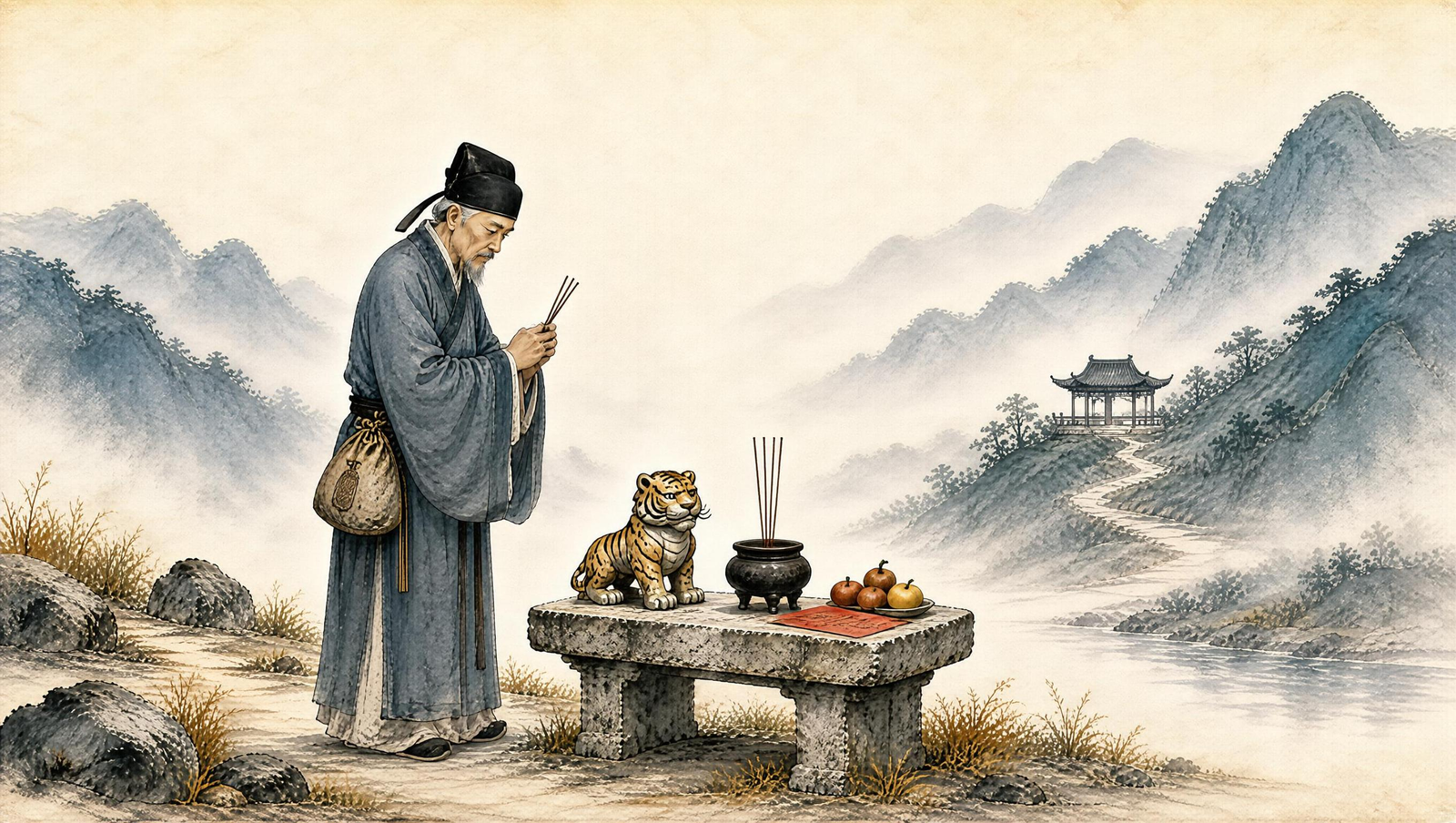
A visit is simple. Approach with quiet respect, offer incense if you wish, and state your petition plainly — protection for the household, fairness in a dispute, steadiness for the place you live. The City God answers through the ordinary world: a cleared path, a fair official, a calm street.
Our own house keeps the same logic of local guardianship, scaled to a worldwide community. The lineage that serves you online is transmitted practice, the same a neighborhood temple would have offered in person.
The City God in the diaspora
As communities moved overseas, the Cheng Huang traveled with them. Temple halls in Southeast Asia and beyond still keep a local guardian for a town far from the old country, proof that the office was never tied to one piece of soil. The god adapted because the logic adapted: wherever people gather and keep accounts, a guardian of the place is needed. The form changes; the desk does not.
What he asks of us
The City God asks little and notices much. Live so your town's accounts look clean: keep promises, settle what you owe, defend the weak beside you. The guard at the gate is only as strong as the people who respect the gate. In that small exchange, the oldest local deity stays useful in the newest cities.
每週智慧,直送你的電郵
隨筆、時令指引與能量洞察——每週一信,絕無雜訊。