萬神之殿
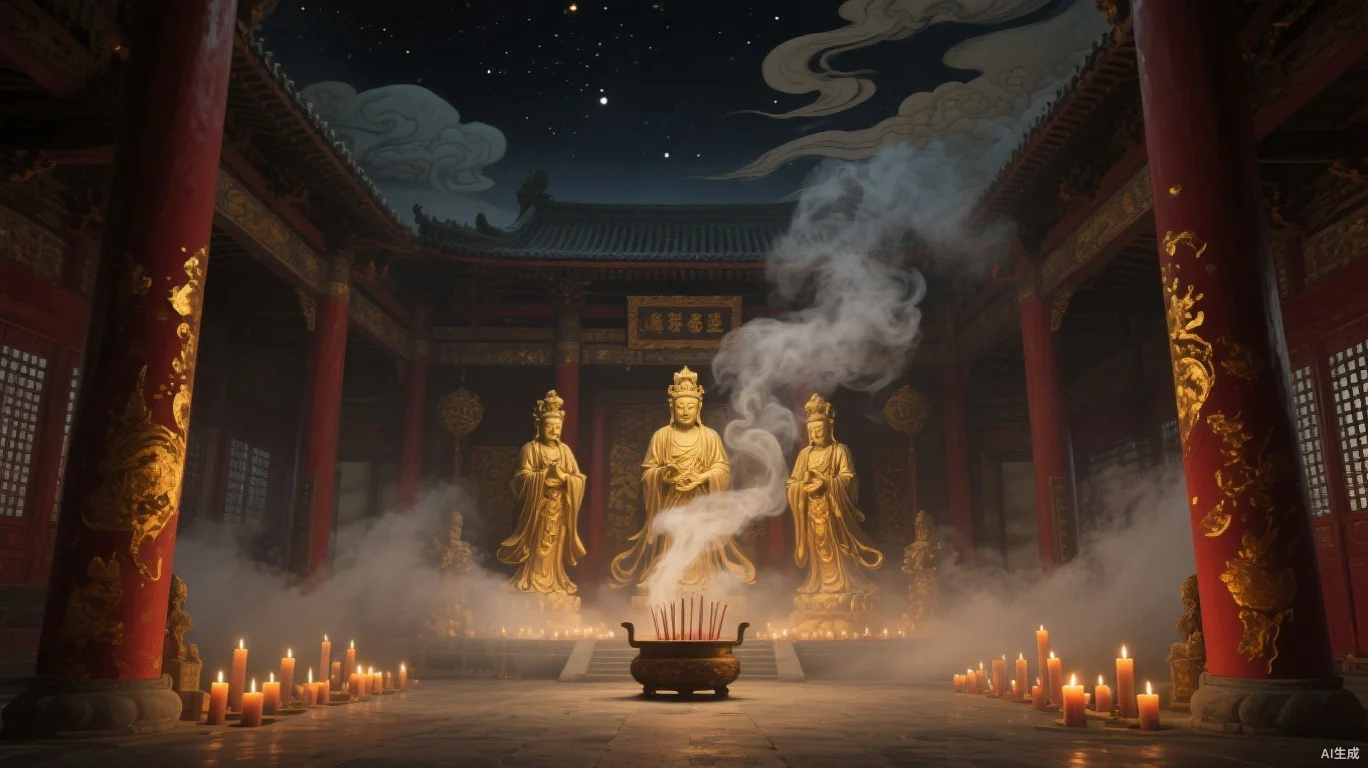
走進這座圖文並茂的道教神明博物館 — 追溯二千五百年的旅程:從一位哲人在關口留下的五千言,到今日仍然塑造世人、由廟宇、科儀與天廷組成的活態宗教。
Deities & Historical Masters
神祇與宗師
Exhibition Halls
八殿
Taisui Star-Generals
六十太歲星君
Years of History
兩千五百年
漫步博物館逐殿尋幽
道教的神明譜系並非隨意堆砌的偶像 — 它是人間帝國的天上鏡像,按品秩與部司井然排列。八大殿堂從宇宙本源出發,經過星官與神祇的朝廷,走到鄉村與灶頭的貼身守護 — 最後來到締造這一切的歷代祖師。
壹
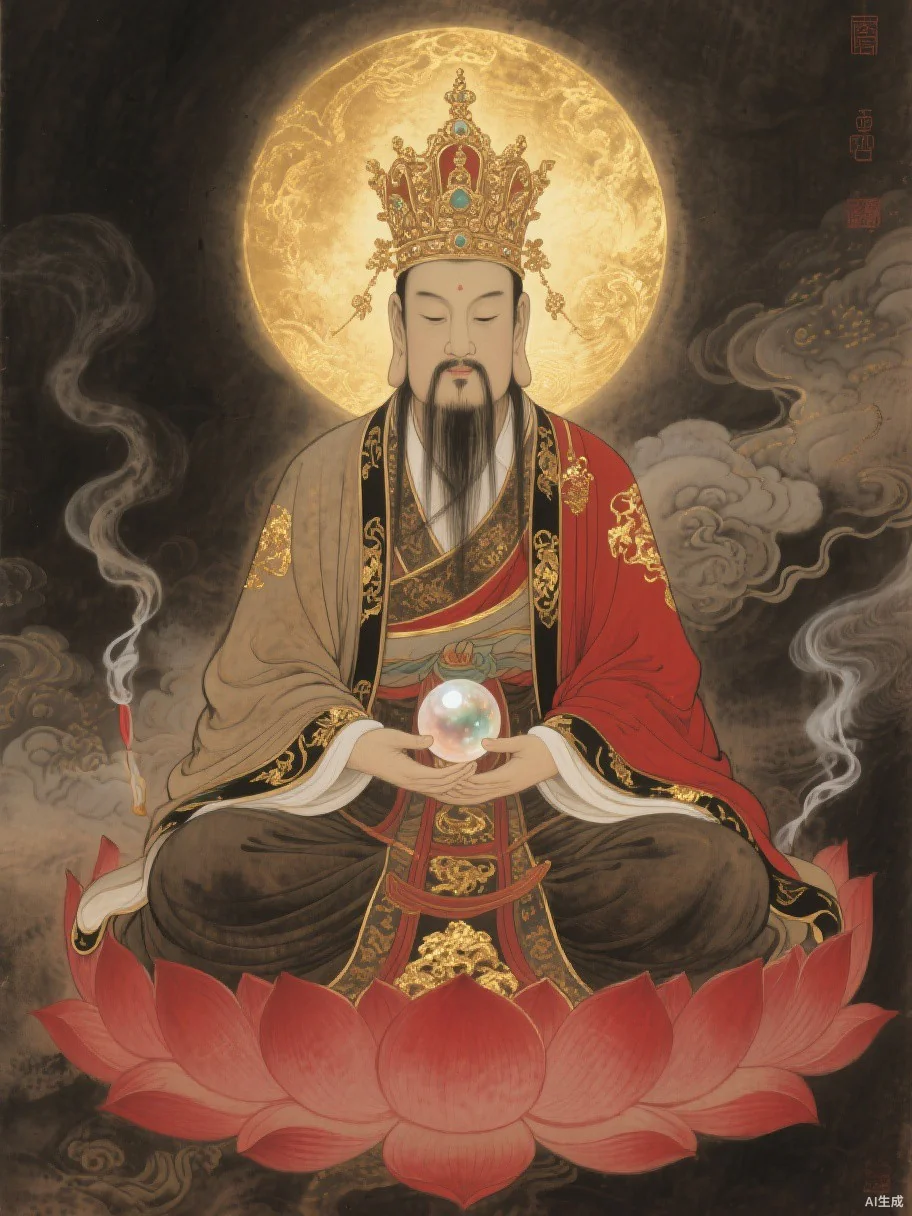
壹殿 · 三清境
The Three Pure Ones
道教神譜之巔。三清非凡俗所謂之『神』——乃道之宇宙化現,各統三天最高之境。
3 Deities
贰
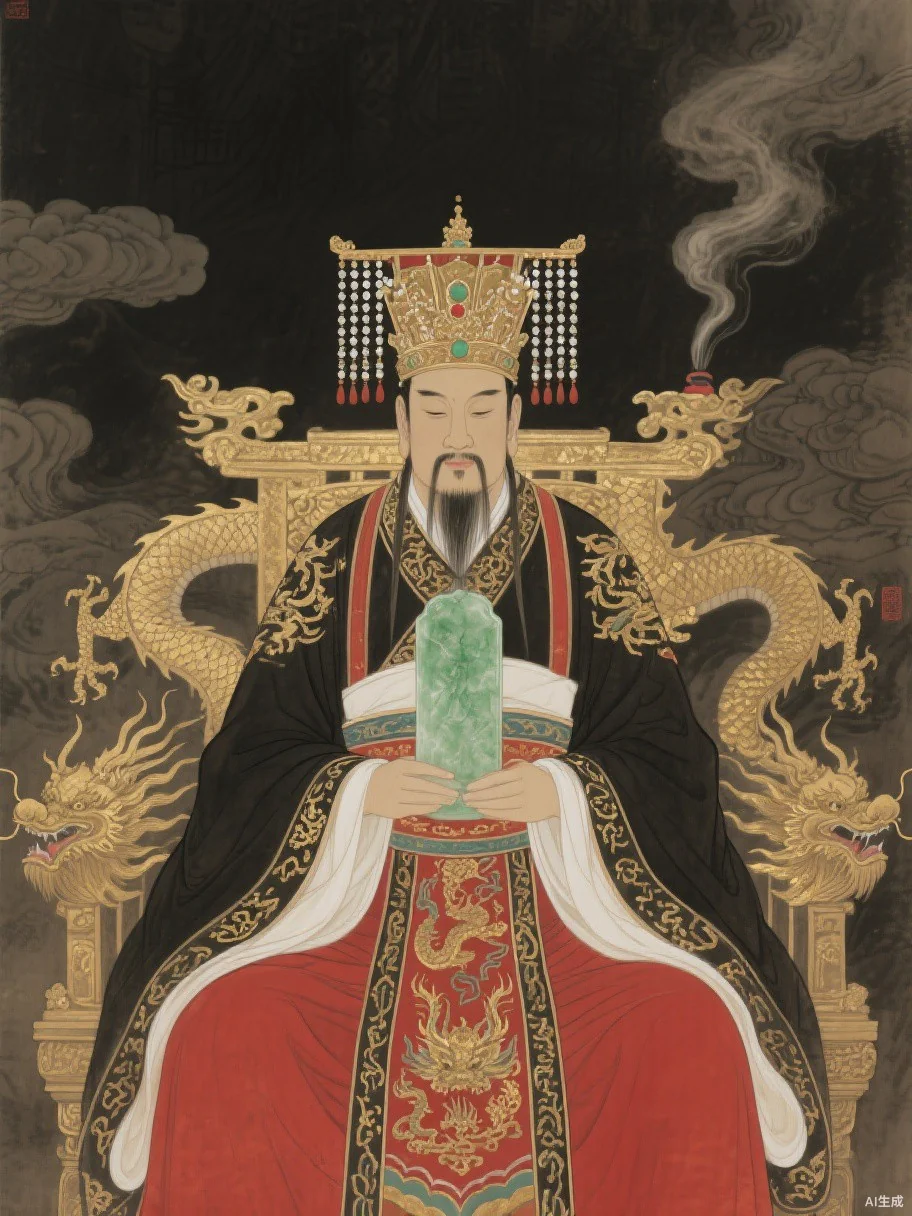
贰殿 · 四御天庭
The Celestial Court — Four Sovereigns
三清之下,統御宇宙之大聖:玉皇大帝居首,四御分掌天、星、戰與地。部分科儀合計六御。
4 Deities
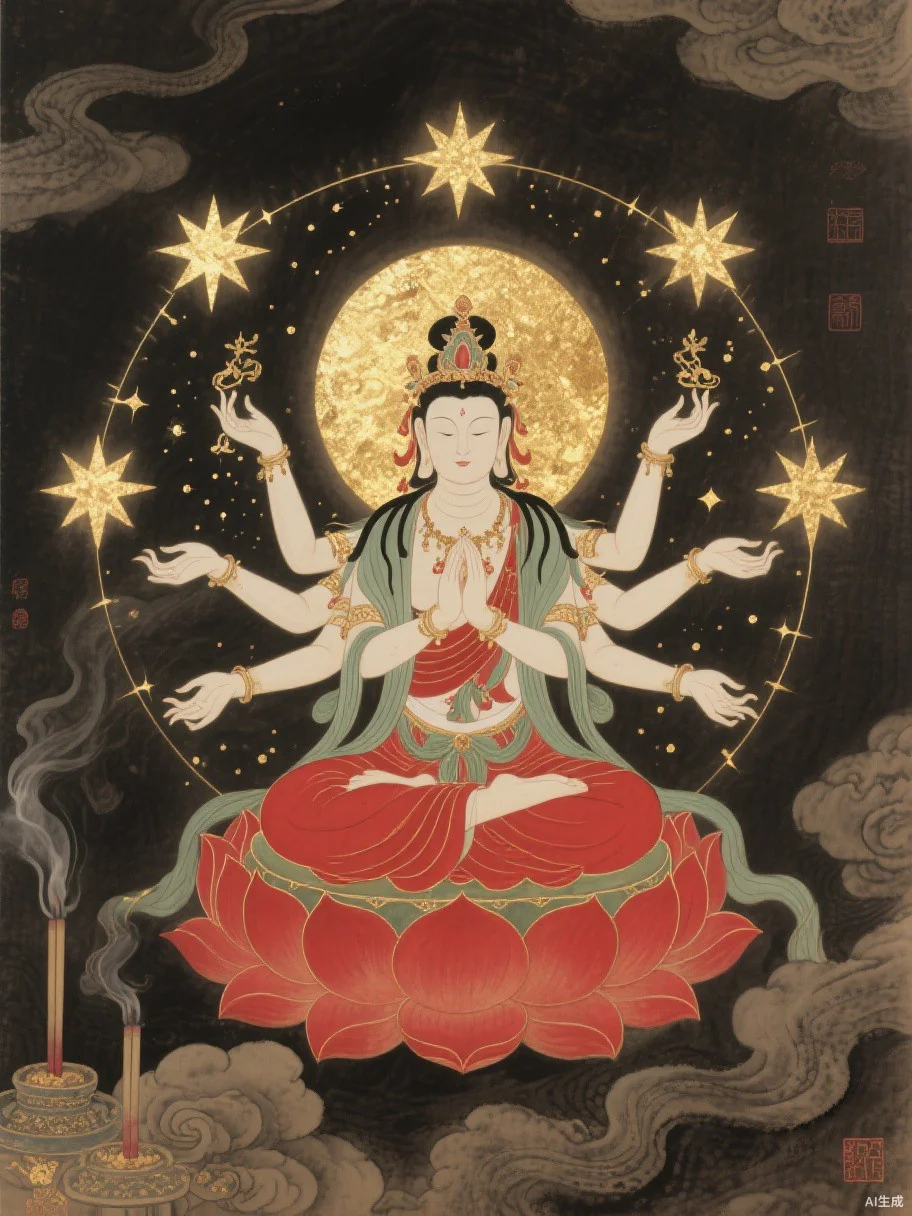
叁
叁殿 · 星宿與救度
The Stellar Court & The Saviors
道教之星辰非遙遠之火,乃天之諸司。諸聖分掌星宿、壽元、雷霆與文昌——更有下降救度苦難生亡者。
6 Deities
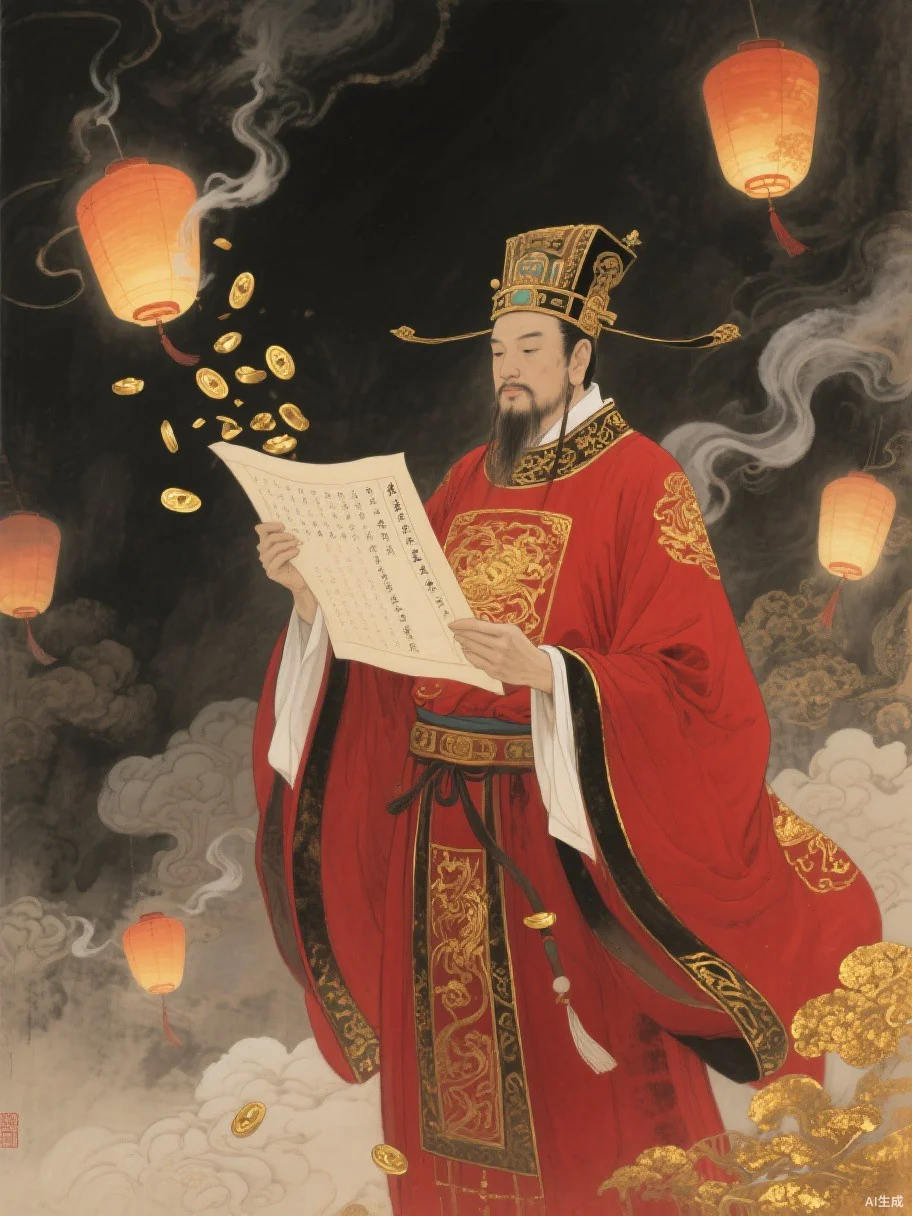
肆
肆殿 · 三官大帝
The Three Officials
道教最古老的崇拜對象——天、地、水三者,化身為三兄弟。其三大節日至今仍為中國活態節慶。
3 Deities
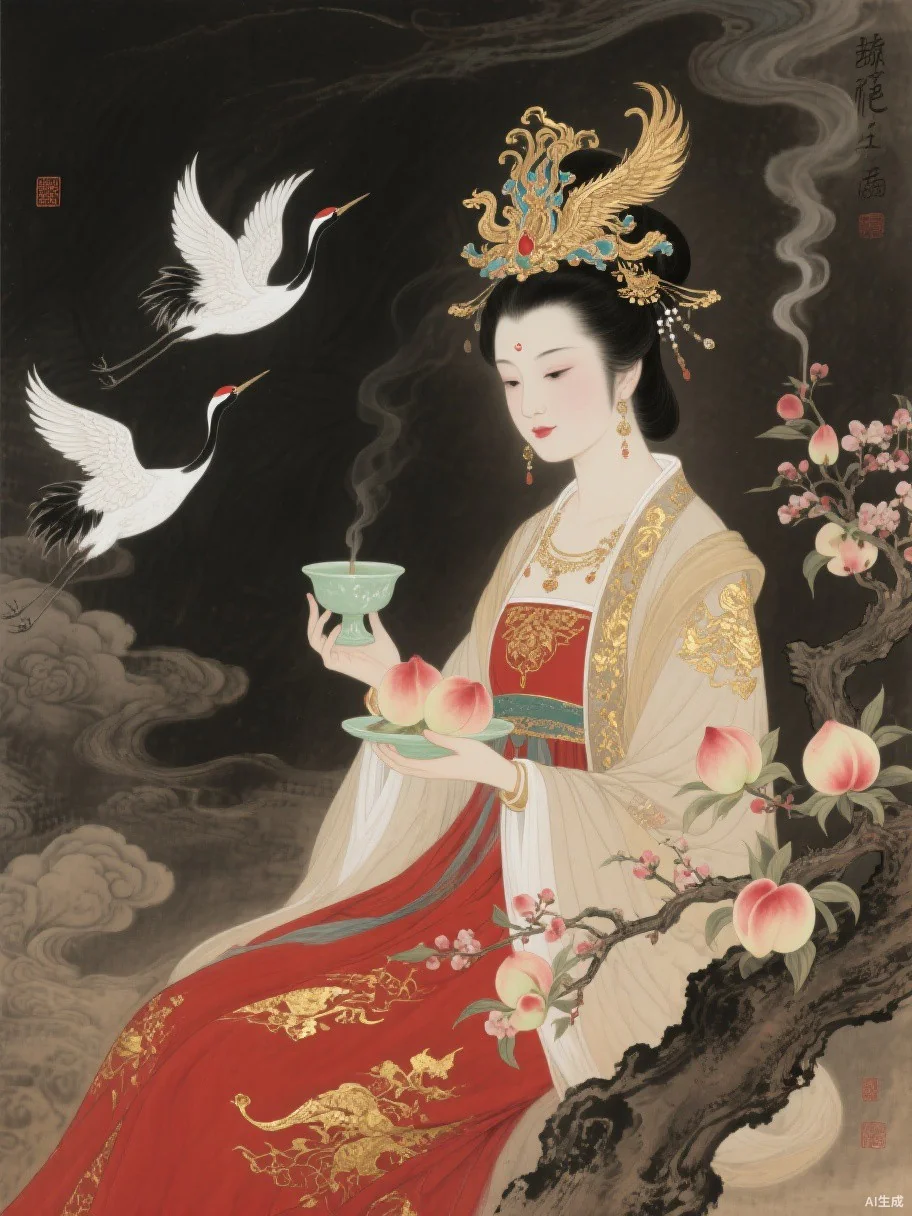
伍
伍殿 · 仙真聖姥
Goddesses & Immortals
天庭之外,遊行者為仙——超脫之眾:東西方大聖統領一切仙班,以及修煉內丹、超越生死之凡人。
4 Deities
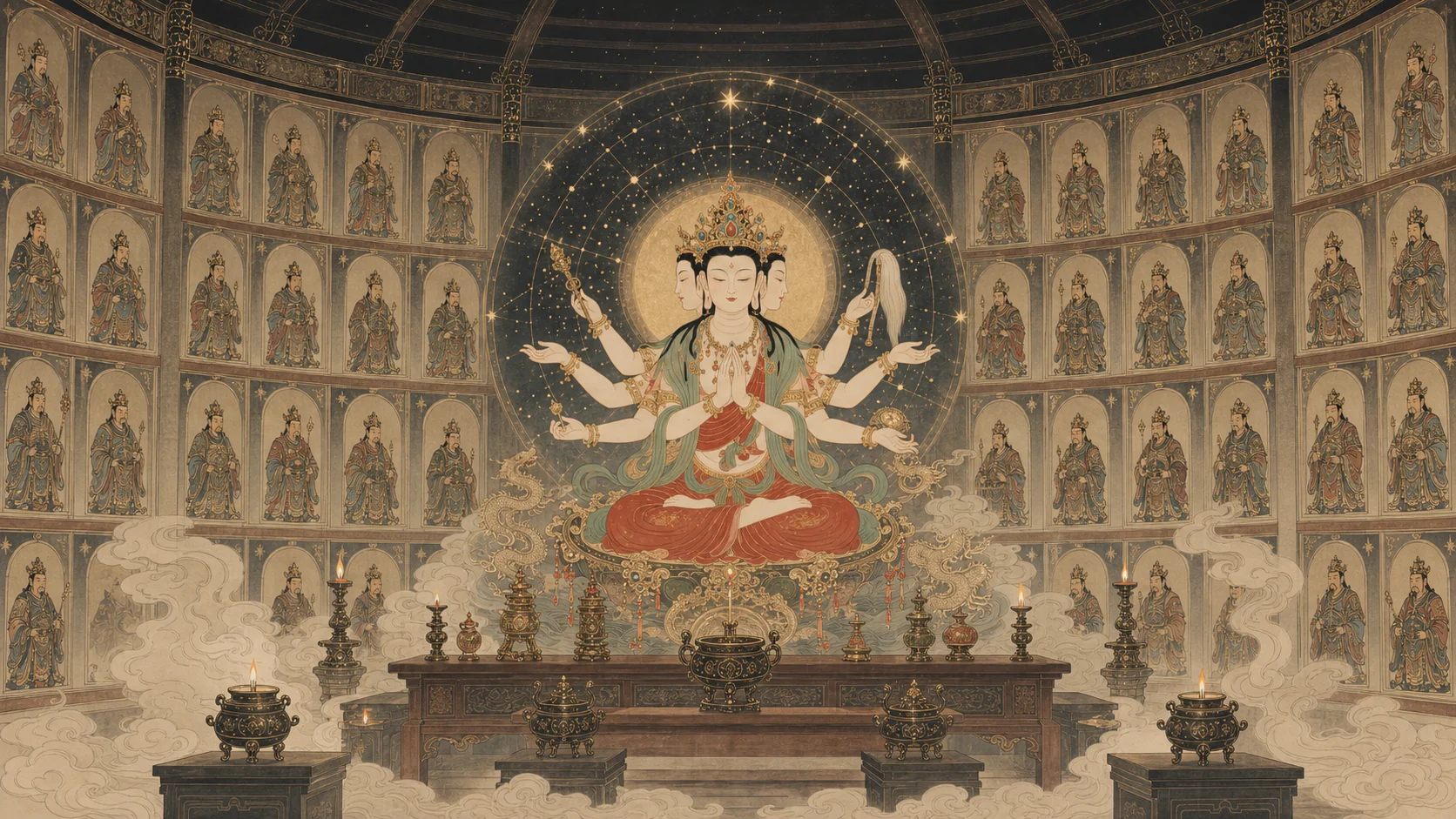
陆
陆殿 · 六十甲子太歲
The Sixty Taisui Star-Lords
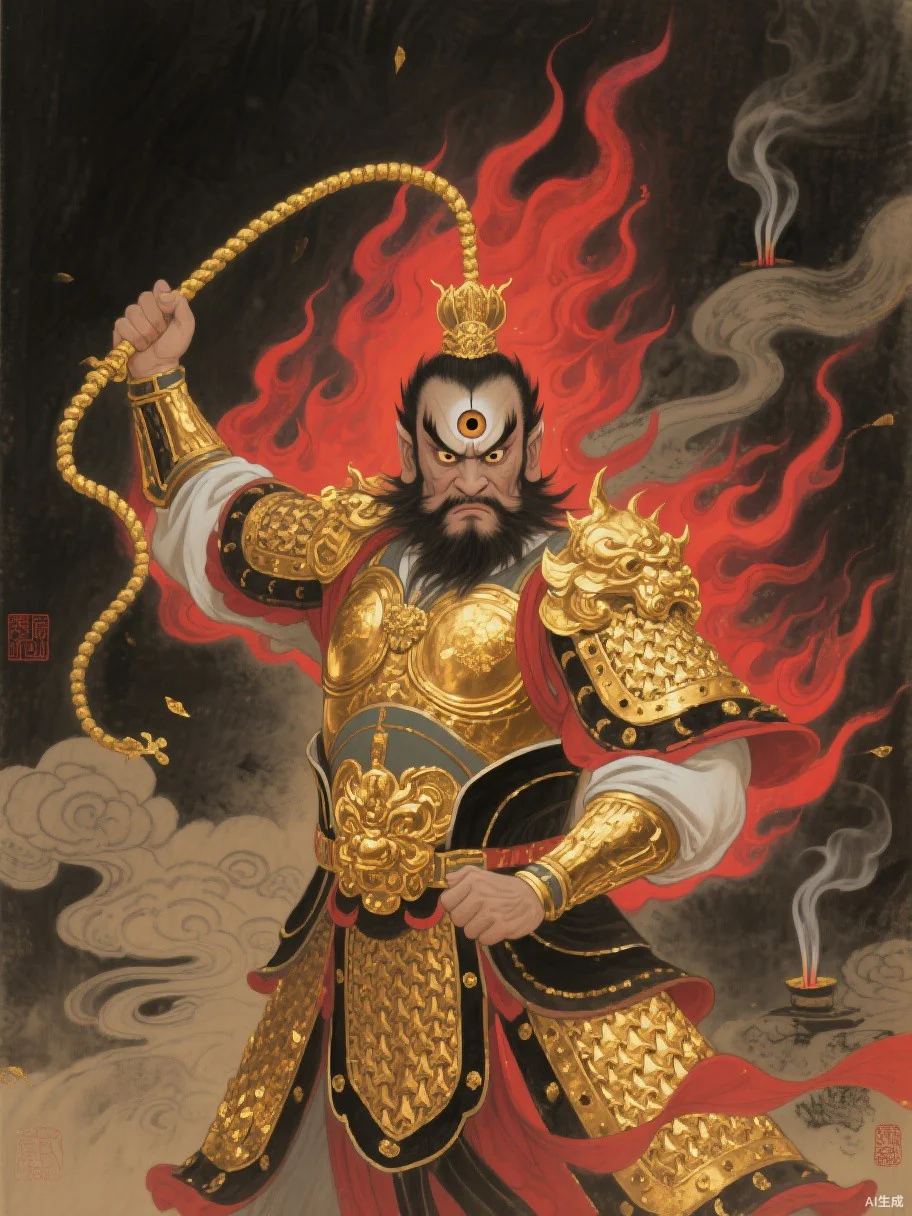
大曆法週期六十甲子,每年各有一位星君主事——太歲。在大廟的元辰殿中,六十太歲環坐斗姆元君(斗姆星母)周圍。
60 Star-Generals
柒
柒殿 · 護法與民間神
Guardians & Gods of the People
歷史上最忠誠的將領與清廉的官員被封為神,以及日常生活中親切之神——城隍、土地、灶君。共同構成道教世界的活態根基。
6 Deities
捌
捌殿 · 歷代宗師
The Historical Masters
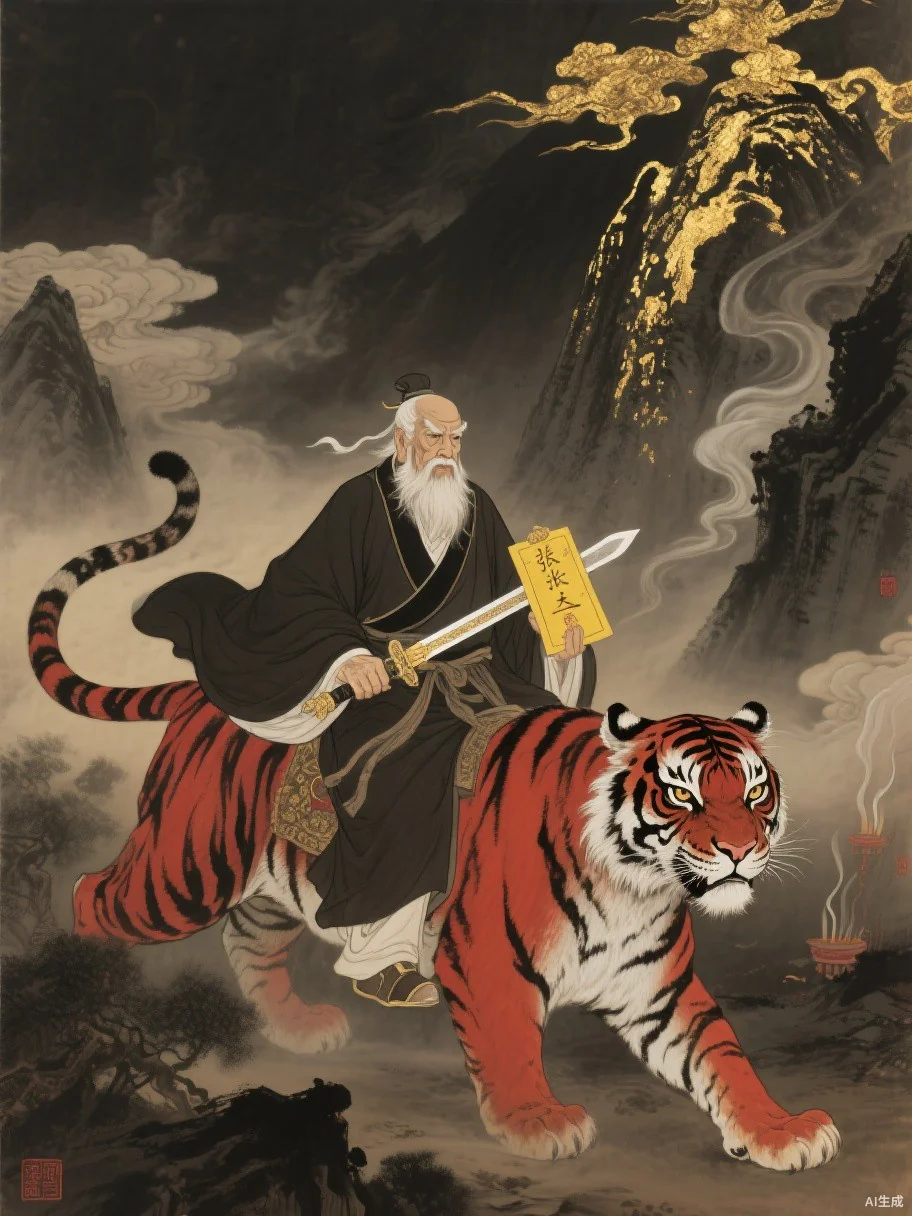
非神話,乃歷史:真實之人的著作、改革與傳承,構築了兩千年的道教——丹道家、科儀家、醫家,以及延續至今的宗派創始者。
12 Historical Masters
一河兩脈 · One River, Two Currents
哲學 & 宗教
西方語言用同一個字 — “Taoism(道教)” — 指代兩種截然不同的事物。中文卻把二者分開:道家,是思想流派;道教,是制度化的宗教。
6th – 3rd century BCE
The Philosophy — Daojia
Taoism began as a school of thought. In an age of warring states, hermit-sages asked a radical question: what if the way to power is to stop forcing, and the way to live is to follow nature?
Laozi & the Tao Te Ching
Five thousand characters on the Tao — the nameless source of all things — and wu wei, the art of effortless action.
Zhuangzi & the free mind
Parables of dreaming butterflies and useless trees, dissolving the boundaries between self and world.
A way of living
No temples, no priests — only simplicity, stillness, and alignment with the natural flow.
142 CE – today
The Religion — Daojiao
Five centuries later, philosophy took on flesh. In 142 CE the hermit Zhang Daoling received a revelation of the deified Laozi on Mount Heming, Sichuan — and founded the first organized Taoist church.
Priests & liturgy
An ordained priesthood performing rituals, offerings and ceremonies for the living and the dead.
The pantheon
A celestial bureaucracy of gods — many of them deified sages and heroes — who can be petitioned and thanked.
Practices of transcendence
Meditation, internal alchemy, talismans, and temple festivals aimed at health, longevity and salvation.
One river, two currents. The religion drew its metaphysics from the philosophers, and the philosophers' quiet ideal — harmony with the Tao — became a living tradition of temples, gods and rituals that has endured for nearly two thousand years.
歷史長河 · The River of History
二十五個世紀大道流轉
從關口下一位隱者的書卷,到遍佈世界的活態傳統 — 大道流轉的十一個轉捩點。
c. 600 BCE
Laozi writes the Tao Te Ching
According to tradition, the archivist Laozi, weary of the declining Zhou court, rides an ox westward through the Hangu Pass. At the gatekeeper's request he leaves behind five thousand characters — the founding text of the entire tradition.
c. 350 BCE
Zhuangzi & the golden age of philosophy
Zhuangzi, Liezi and other voices expand the teaching into parable, humor and radical freedom. 'Daojia' — the School of the Way — becomes one of the great currents of Chinese thought.
c. 180 BCE
Huang-Lao rules the early Han empire
The first stable Han emperors govern by 'Huang-Lao' doctrine — the teachings of the Yellow Emperor and Laozi combined. Wu wei becomes statecraft: light taxes, few laws, and the empire recovers.
142 CE
The Way of the Celestial Masters is founded
On Mount Heming in Sichuan, the hermit Zhang Daoling receives a revelation from the deified Laozi and founds the first organized Taoist church. Religious Taoism — 'Daojiao' — is born.
c. 320 CE
Ge Hong & the quest for immortality
In his 'Baopuzi', Ge Hong systematizes alchemy, elixirs and the techniques of transcendence, while the great families of the south preserve lineages of meditation and ritual.
4th – 5th c.
Shangqing & Lingbao revelations
New scriptures descend through visionaries and mediums. Lu Xiujing in the south and Kou Qianzhi in the north organize liturgy and compile the first catalogues of the Taoist canon.
618 – 907
The Tang dynasty golden age
The Tang imperial house claims Laozi as its ancestor. Taoism becomes the empire's honored faith, the Tao Te Ching enters the civil examinations, and temple architecture reaches new heights.
960 – 1279
Inner alchemy replaces the crucible
The Song turn outward elixirs inward: 'neidan', internal alchemy, cultivates body and mind as the true laboratory. Zhang Boduan's 'Wuzhen Pian' charts the awakened mind's anatomy.
1167
Quanzhen rises; the two great schools emerge
Wang Chongyang founds Quanzhen — 'Complete Perfection' — blending monastic discipline with meditation. In the south, the old Celestial Masters consolidate as Zhengyi. These two schools lead Taoism to this day.
1445
The great canon is printed
The Ming court completes the Zhengtong Daozang — nearly 1,500 texts of liturgy, alchemy, medicine and myth — preserving two millennia of tradition through every upheaval that follows.
Today
A living tradition
From Wudangshan to Chinatowns across the world, Taoist temples, festivals and practices remain alive — and the ancient question of the Tao continues to find new seekers in every land.