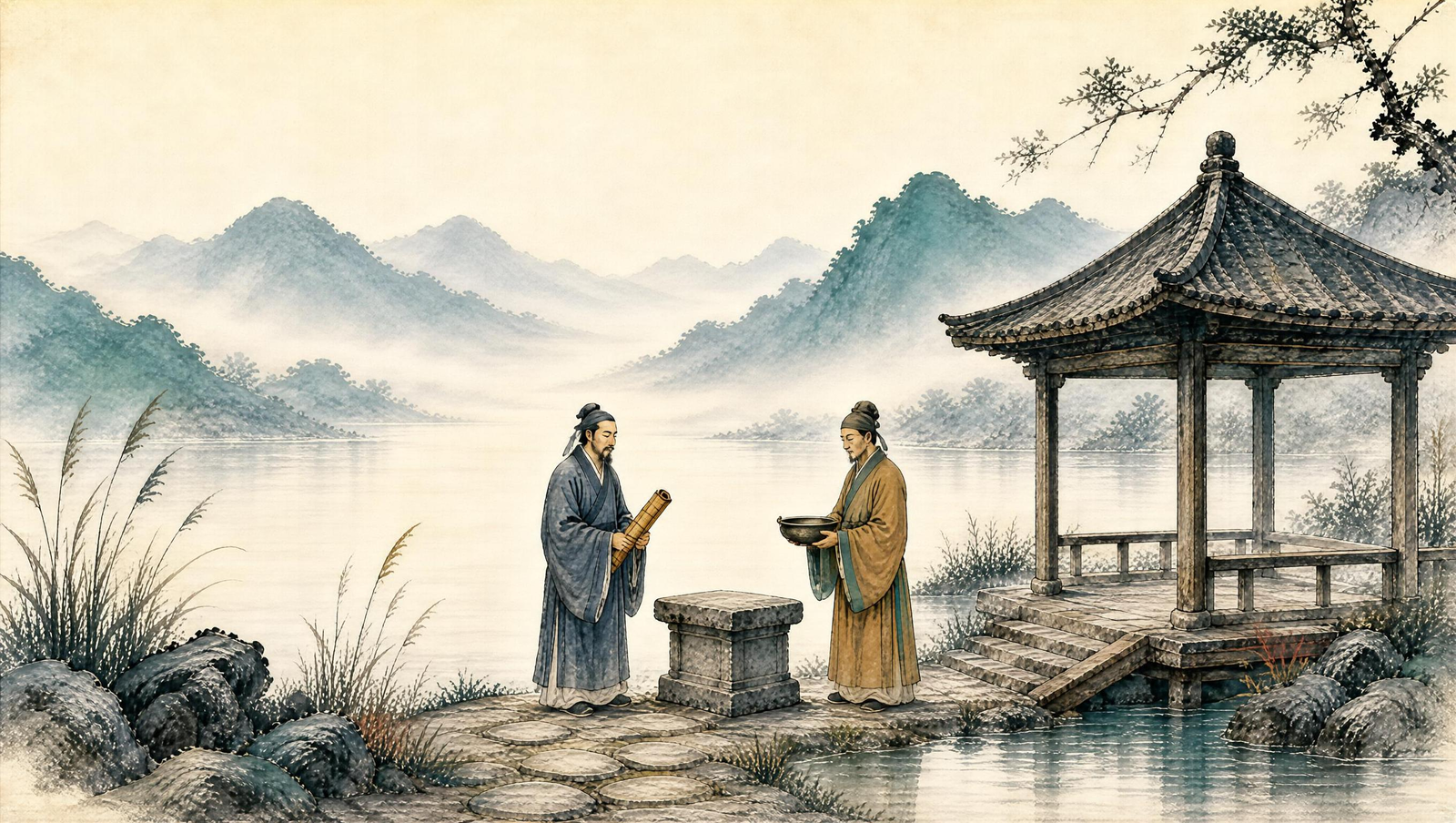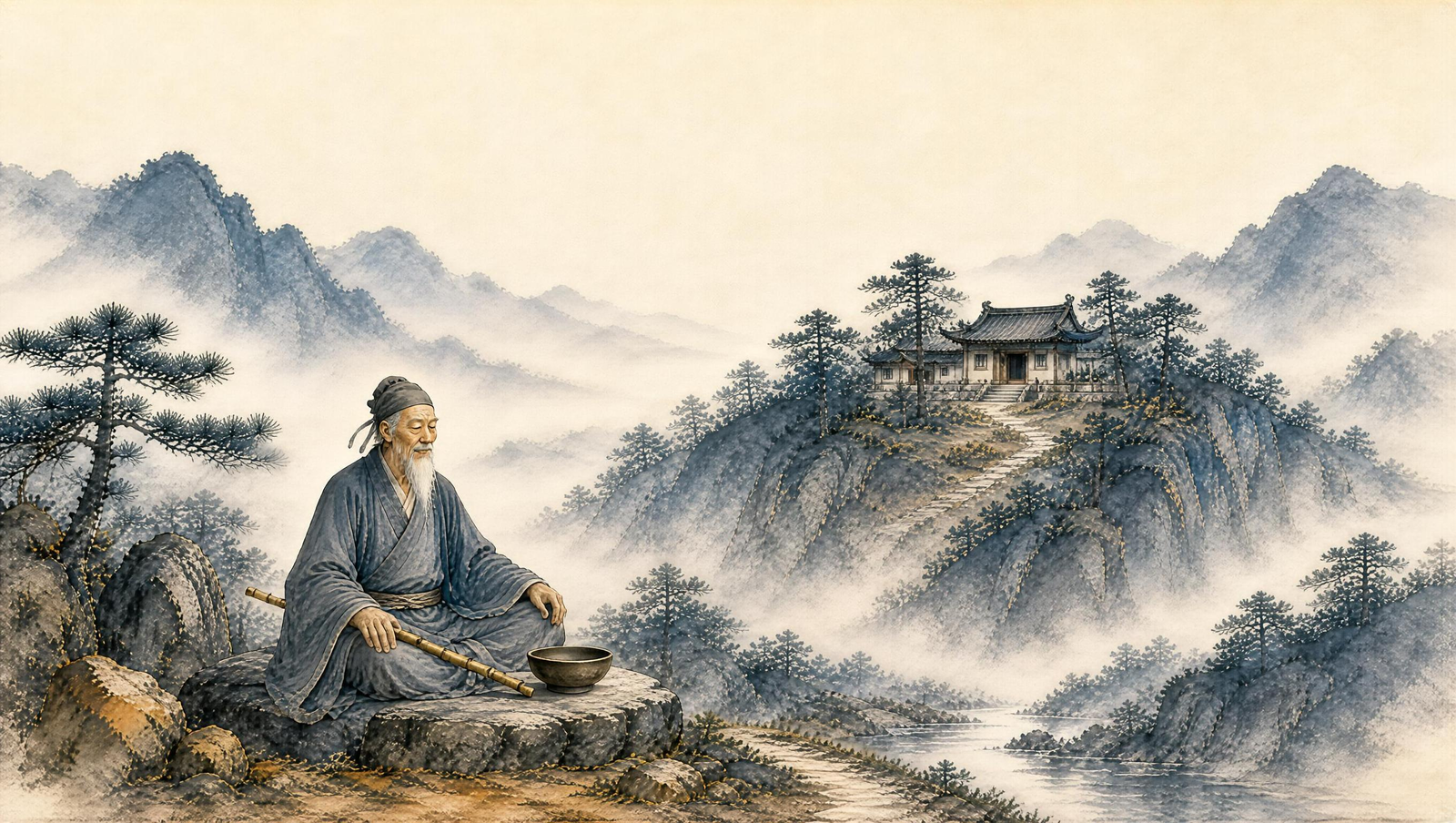
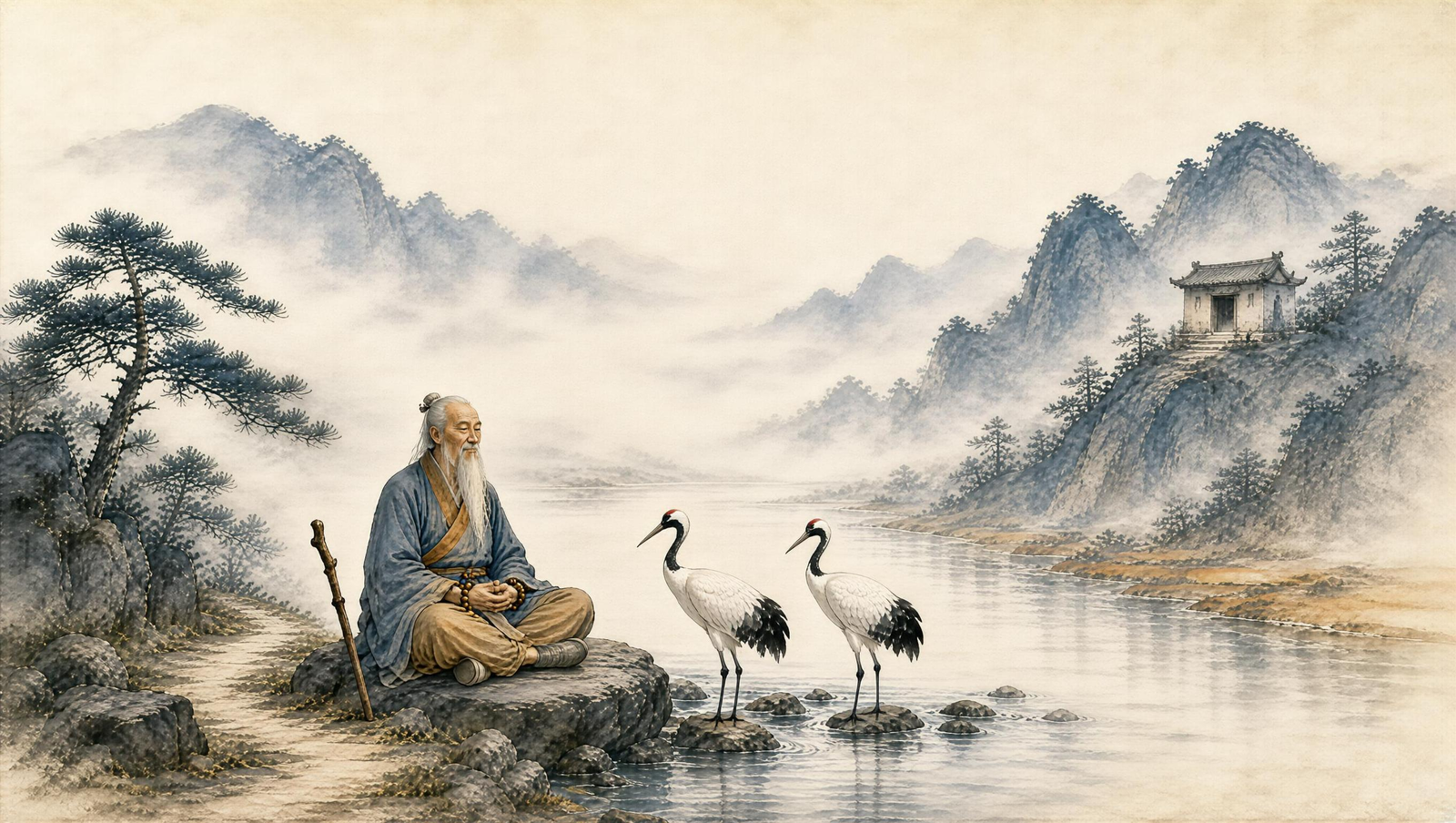
Gong De (功德) is the Taoist measure of merit and virtue a person builds through right action - charity, ritual service, and self-cultivation - that is believed to shape fortune in this life and the next. In plain terms, gong de is the spiritual "credit" you accumulate by living in harmony with the Tao, and it sits at the heart of how ordinary believers understand a life well lived.
What "gong de" actually means
The phrase splits into two characters. Gong (功) is accomplished merit - concrete good acts such as donating to a temple, helping the sick, or sponsoring a rite. De (德) is the virtue or power that results - the inner character formed when those acts become habit. Together, gong de describes a life ledger that is both outward (what you do) and inward (who you become). The Hong Kong Taoist Federation lists merit-making among the core duties of lay believers, tying virtue directly to daily conduct (HK Taoist Federation).
The merit ledger (gong guo ge)
Taoist tradition has long used the gong guo ge (功過格, "ledger of merit and demerit") - a daily self-audit in which good deeds are credited and faults debited. This practice, rooted in early Taoist and popular moral texts, treats gong de as something you can consciously grow, like savings in an account. Ching Chung Koon, a major Hong Kong Taoist institution, teaches that regular charitable and devotional acts build de that protects the family across generations (Ching Chung Koon). The ledger is not about guilt; it is a gentle mirror, shown each night so the practitioner can see where the day leaned toward the Tao and where it strayed.
How gong de is accumulated
There are three recognised paths. The first is shi en (施恩) - practical kindness: feeding the hungry, supporting the temple, caring for the elderly. The second is li (禮) - ritual participation: offering, chanting, and sponsoring rites that dedicate merit to ancestors and the living. The third is xiu (修) - self-cultivation through meditation and qigong, which refines the self so action flows from virtue rather than ego. The Global Daoism Archive notes that merit transfer (回向) is a standard feature of Taoist rites, letting the living dedicate accumulated gong de to others (Global Daoism Archive). In this way merit is never only private; it is something a family and a community can share.
Gong de in ordinary daily life
You do not need to be a priest to build gong de. A Taoist daily routine of small, consistent good acts - a kind word, a repaired relationship, a meal shared - adds up over years. This is why the Taoist approach to health and longevity links virtue to vitality: a calm, generous mind keeps qi moving and the body well (see the Taoist daily routine). Gong de is less a scoreboard than a direction - every step toward harmony with the Tao is credited, and every setback can be answered with renewed practice. The small acts matter precisely because they are repeated; a single grand gesture fades, but a steady habit reshapes a life.
Common misunderstandings
Gong de is not a bribe to the gods, and it is not purchased by lavish spending alone. The tradition is clear that intention matters: a humble act done without seeking credit carries more weight than a grand one done for show. It is also not fatalistic - gong de can be rebuilt at any time, which is why Taoism emphasizes repentance and renewal rather than despair. Finally, gong de is not a competition; comparing ledgers with others misses the point, which is the quiet alignment of one's own conduct with the Tao.
If you are new to the tradition, start with the basics: What is Taoism? explains the worldview that makes gong de meaningful, and the Taoist approach to health and longevity shows how virtue and vitality support each other.
中文讀者請見:功德是什麼?(繁體)
每週智慧,直送你的電郵
隨筆、時令指引與能量洞察——每週一信,絕無雜訊。