Feng Shui (風水, "wind and water") is the Taoist-rooted practice of arranging built and natural space so that Qi—vital energy—enters, circulates, and settles gently instead of stagnating. Far from a catalogue of lucky objects, it is a practical ecology of light, air, sight-lines, and proportion, aimed at bringing human life into harmony with its environment.
Where Feng Shui Comes From
Feng Shui grew out of early Chinese observations of how land, water, and climate shape settlement and health. Its classical forms—the "Form School" (形派) reading mountains and rivers, and the "Compass School" (理氣派) working with direction and time—emerged over many centuries and were later woven into Taoist temple and city planning. The International Feng Shui Guild describes the discipline as the study of how people interact with the spaces they inhabit, a definition that still guides practitioners today (ifsguild.org).
Qi, the Invisible Ingredient
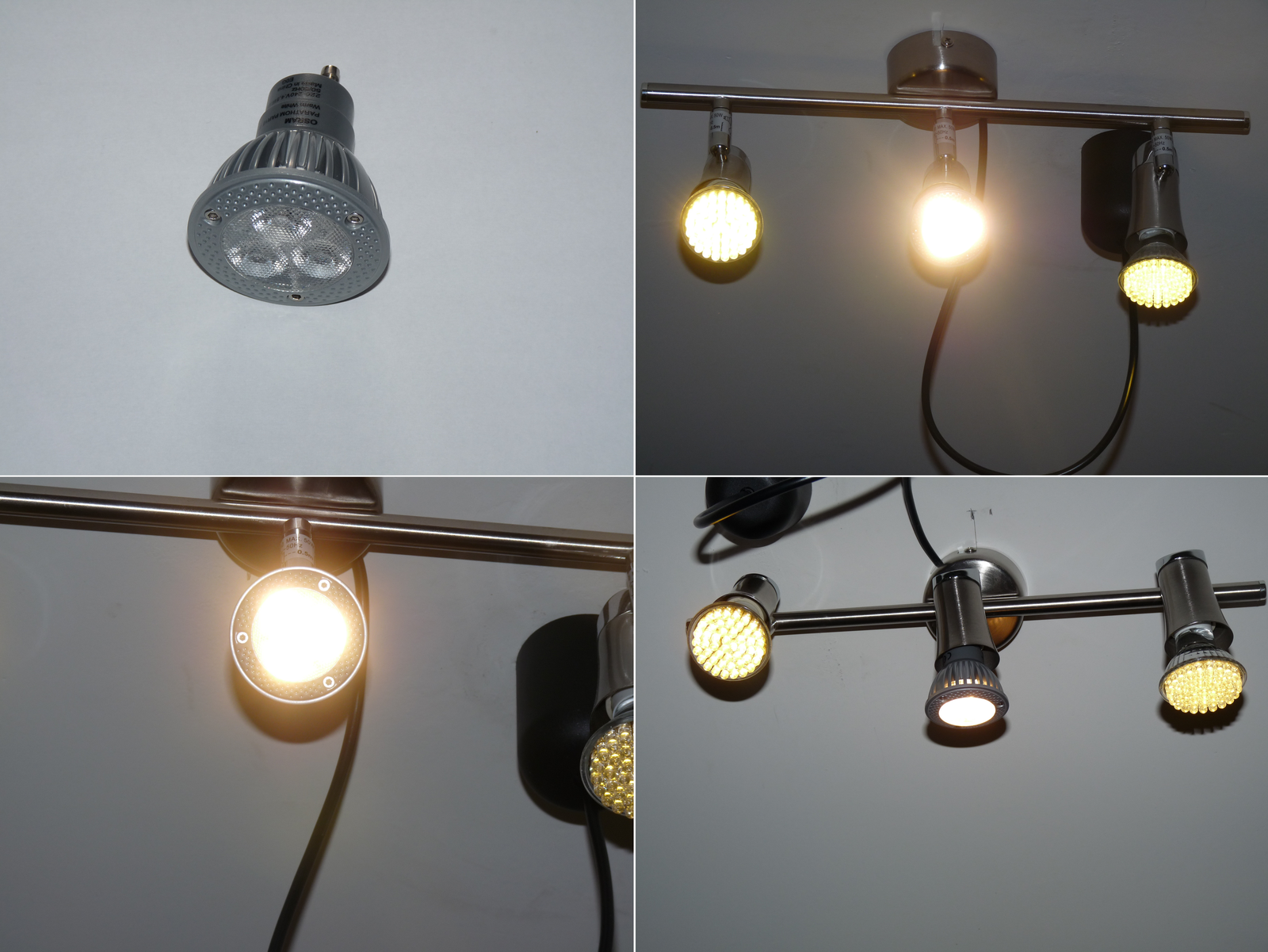
At the heart of Feng Shui is Qi (氣). When Qi flows smoothly through a room, the space feels alive; when it is blocked by clutter, sharp corners, or broken fixtures, it stagnates. The Feng Shui Society UK teaches that good arrangement is less about symbolism and more about letting energy move—open paths, soft light, and repaired objects do most of the work (fengshuisociety.org.uk). This mirrors the broader Taoist view that vitality depends on unobstructed flow, the same principle behind Qigong and meditation.
Reading the Landscape
The Form School begins with the land itself. A sheltered site with water nearby and a protective rise behind it was traditionally preferred for dwellings and temples alike. Modern practitioners still apply this logic to apartments: a building's "back" (solid wall, mountain, or tall structure) and "front" (open view, road, or water) set the basic character of the space. Research published by the Feng Shui Society's research arm summarizes how these traditional siting principles translate into contemporary urban design (fengshuisociety.org.uk/feng-shui-research).
Direction, Time, and the Compass
The Compass School adds the dimension of time. Using tools such as the luopan (羅盤, compass) and systems like the Eight Mansions (八宅) and Flying Stars (玄空飛星), it maps a space's energy according to its facing direction and the year it was built. Encyclopaedia Britannica notes that Feng Shui sits within the wider family of Chinese cosmological arts—alongside Ba Zi and the I Ching—that read the world as a field of interacting forces (britannica.com/topic/Daoism).
Practical First Steps
You do not need a compass to begin. Start with the basics: clear what is broken, let light reach every corner, keep pathways open, and place seating so you can see the entrance. These simple moves already align a room with Feng Shui's core aim. For a room-by-room starting point, see our guide to five simple Feng Shui fixes for your home, and for the foundational concept, visit What is Feng Shui? in our FAQ.
Common Misconceptions
Feng Shui is often reduced to a list of "cures"—a mirror here, a fountain there. In reality the tradition insists that no object works in isolation; what matters is the relationship between the space, the person, and the moment. The Feng Shui Society's research notes that the most durable improvements come from structural clarity—repairing, simplifying, orienting—rather than from accumulating symbols (fengshuisociety.org.uk/feng-shui-research).
Feng Shui in Modern Life
Applied today, Feng Shui informs everything from desk placement to garden design. A tidy, well-lit workstation near a window is not superstition but applied attention to flow. The same logic scales to whole cities: planners since imperial times have minded waterways, prevailing winds, and sightlines—exactly the concerns Feng Shui names.
Feng Shui and the Taoist Way
Ultimately Feng Shui is applied Taoism: the conviction that human wellbeing is inseparable from the patterns of nature. Arranging a space well is one more way of practicing Wu Wei—acting in step with the world rather than against it.
繁體中文版本:風水是什麼?
Weekly wisdom, straight to your inbox
Essays, seasonal guidance, and energy insights - one letter a week, no noise.
DaoMind Pro
Read your own chart
Generate your full Ba Zi chart and elemental balance - the same data a practitioner opens with.
Open Destiny Atlas →