What Feng Shui actually adjusts
Feng Shui (风水, "wind and water") is not about lucky trinkets or compass directions alone. At its root it is a practical theory of how qi - the life-energy of a space - enters, circulates, and exits. Wind scatters qi; water gathers it. A well-arranged room works like a good river: energy flows in, meanders to nourish every corner, and leaves gently rather than rushing out.
When the practice was systematized over two thousand years ago, the principles it kept were the ones that produced measurable comfort: enough light, good ventilation, a clear line of sight to the door, and a back that feels protected. The "cures" that actually work tend to be the ordinary ones - tidy the clutter, fix the broken hinge, let the air through. (Prefer the one-minute version? Start with the Feng Shui FAQ.)
Here are five adjustments that consistently shift a space, in roughly the order they pay off.
1. Clear the entrance
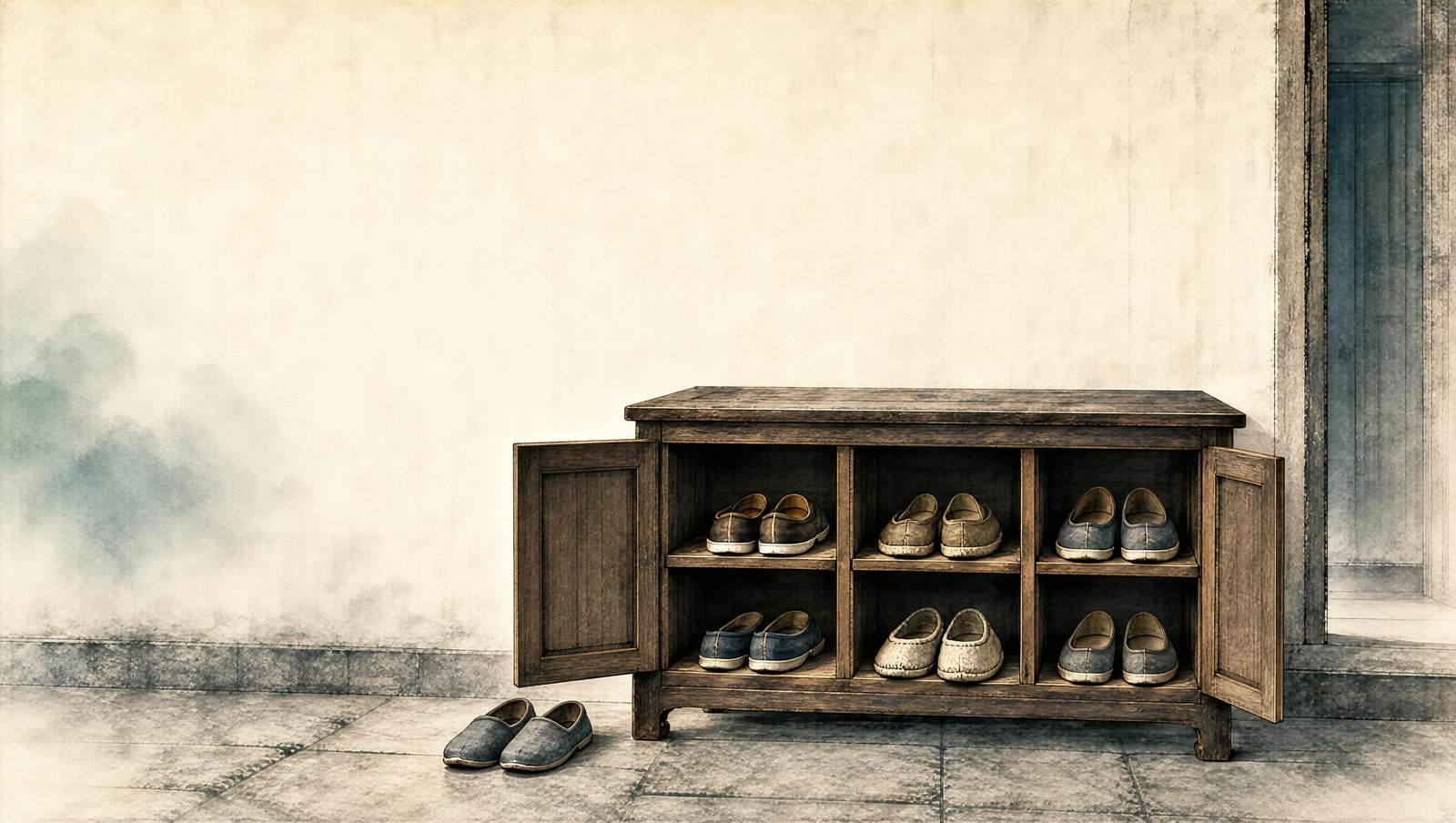
The front door is where qi enters. If it is blocked by shoes, a dying plant, a broken lock, or boxes that have been sitting for months, the energy of the whole home stagnates at the threshold.
Spend twenty minutes on the entryway alone: clean the door, oil the hinges, make sure it opens fully, and remove anything you do not actively use. This single change often shifts how the whole apartment feels within a day.
2. Command the bed and the desk
The commanding position (ming tang, 明堂) is the one where you sit with a solid wall behind you and a clear view of the door - but not directly in line with it. This applies to your bed, your work desk, and your main sofa.
The logic is mammalian, not mystical. You rest better, focus better, and converse better when your nervous system is not occupied with what might be approaching from behind. If your bedroom layout forces the bed under a window or facing the door directly, a headboard against the wall is the first fix - it creates a "mountain" at your back.
3. Unblock the qi bottlenecks
Walk through your home from the front door to your bedroom, following the path you actually take. Anywhere you have to squeeze sideways, step over something, or push a chair out of the way is a bottleneck where qi slows and eventually stagnates.
Common offenders:
- The hallway that has become a storage lane
- The chair that has not seen its surface in three months
- The corner behind the bedroom door that collects "later" piles
Clear them. Not all at once - one bottleneck every few days is enough to feel the difference.
4. Balance the five senses
Qi is not just visual. A space feels dead when any one sense is starved:
- Light - is there a bulb that has been out for weeks? Fix it.
- Sound - is it dead silent or constantly loud? A small water feature or a wind chime in the right spot can move stuck energy.
- Air - open the windows for ten minutes a day, even in winter. Wind is half of the practice.
- Plant - one healthy plant in the far corner from the door draws energy across the room. (A dying plant does the opposite - compost it.)
- Texture - if every surface is hard (tile, glass, metal), add one soft surface - a rug, a throw, a cushion. If everything is soft, add one grounded element - a stone, a ceramic, a piece of wood.
The goal is variety, not abundance. Five senses met, not fifty objects added.
5. Fix what is broken
Feng Shui practitioners pay close attention to broken things because they represent stuck intention. A leaking tap is water (wealth, in the classical metaphor) draining out. A door that sticks is a threshold that resists passage. A clock that has stopped marks a moment that never moved on.
Walk through your home and make a list of everything that does not work properly. Fix three this week. Watch what starts to shift in your own follow-through over the following month - it is rarely coincidence.
The principle underneath
Every adjustment above is the same principle in different clothes: keep energy moving, keep sight-lines clear, keep what is broken repaired, and keep the senses met. When you understand that, you can walk into any space and read it - the crystals and compass directions are refinements, not the foundation.
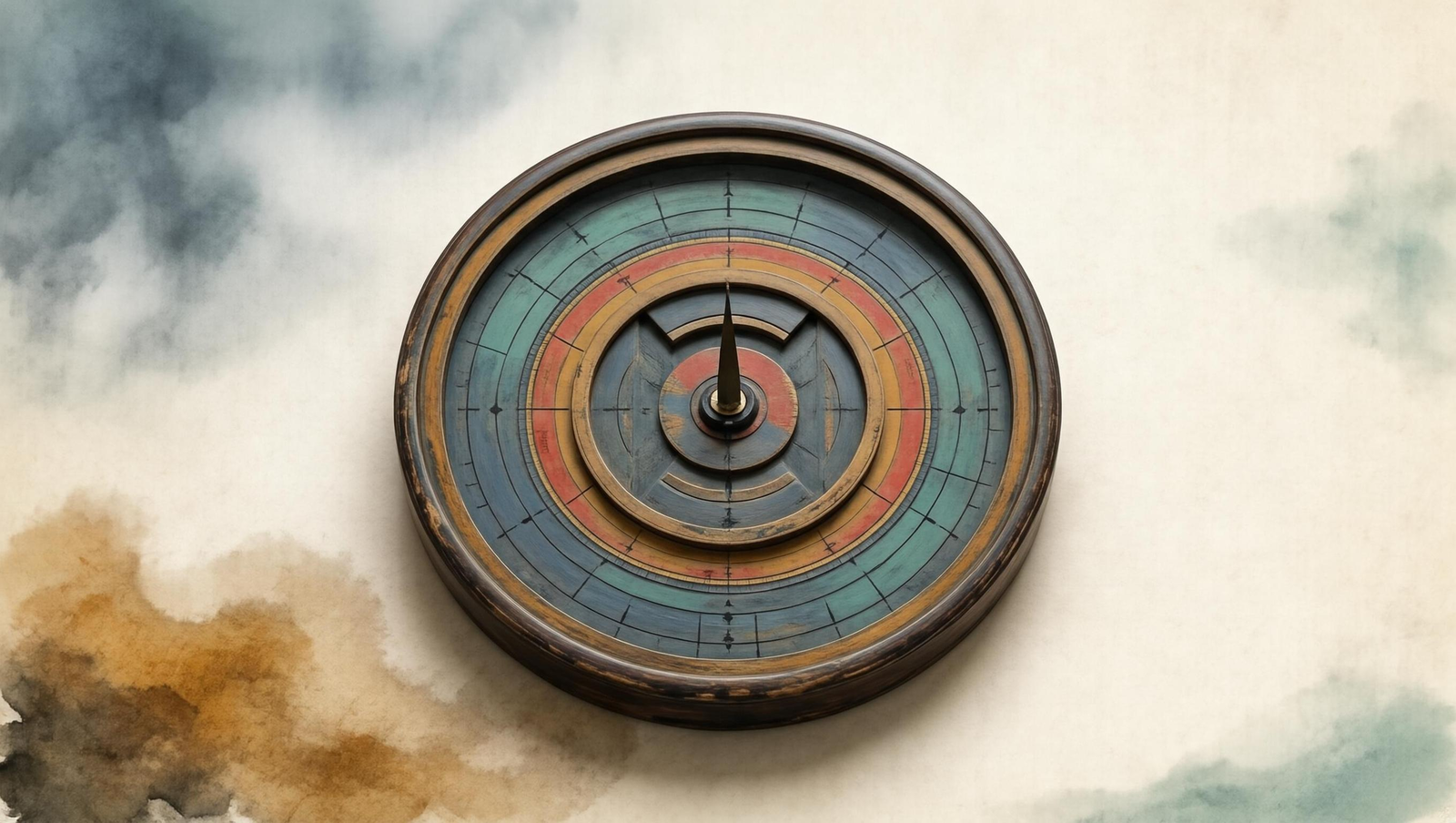
If you want to go deeper than the basics, the classical systems (Xuan Kong Flying Stars, Ba Zhai Eight Mansions) map your specific floor plan against your birth year to find which sectors of your home support you and which drain you. That level of reading benefits from a chart - the Celestial Compass gives you the foundational data, and a full Flying Stars analysis is on the roadmap for a later release.
Weekly wisdom, straight to your inbox
Essays, seasonal guidance, and energy insights - one letter a week, no noise.
DaoMind Pro
Read your own chart
Generate your full Ba Zi chart and elemental balance - the same data a practitioner opens with.
Open Destiny Atlas →