Stand at the far end of your corridor tonight with every other light in the house switched on. If that end still feels like a tunnel, the fix is rarely the furniture. Hallway lighting feng shui begins with one observation that classical practitioners repeat: a corridor is the throat of a home, and light is what tells qi where to go. A passage that stays dark reads as stagnant; a passage with warm, even light reads as flow.
Why hallway lighting carries more weight than its size
Most homes give the hallway the smallest share of the lighting budget. Nobody sits there, so it inherits one leftover ceiling fixture and a switch that is barely touched. Feng shui treats that economy as a mistake, because the corridor is the only space every other room connects to.
Older Chinese houses solved this with structure rather than wattage. A courtyard dwelling placed its openings so daylight arrived along the main axis, and interior passages borrowed that light instead of generating their own. The rule that came out of it is simple: a corridor should never be the darkest point on the path between the front door and the bedrooms.
There is a practical reading underneath the metaphysics. A dim passage is where people misjudge a step, stub a toe, or leave a door half shut because they cannot see the frame. Brightness is safety first, and safety is the least mystical reason a flow should stay unobstructed.
Where hallway lighting usually goes wrong
Three faults turn up in almost every home worth walking through at night.
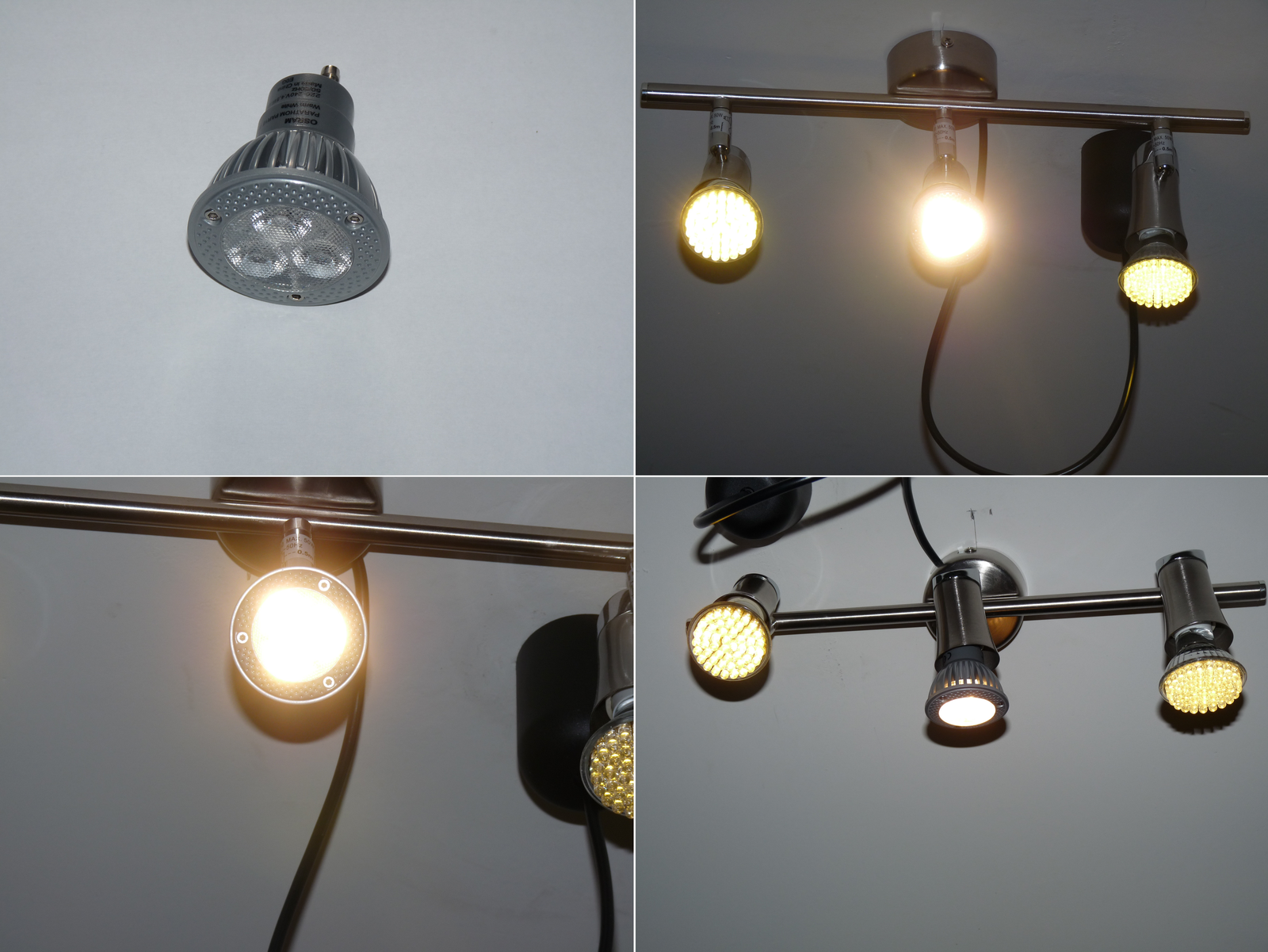
One fixture in the middle. A single ceiling light leaves both ends of the corridor in shadow. Qi is not the only thing that stops moving there; so does the eye. Two or three smaller sources read better than one bright one.
Cool white tubes. Colour temperature matters more than most people expect. A 6500K tube in a narrow passage produces the office-fluorescent feeling that feng shui associates with cold, cutting light. Warm white in the 2700–3000K range keeps the corridor continuous with the living space it opens onto.
Glare at eye level. A bare bulb, an exposed downlight or a sconce hung at head height puts a bright spot directly in the line of sight. The corridor then feels harder to walk, not easier.
How to plan hallway lighting in a real home
Start from the walking line, not the ceiling grid. Mark where you actually walk, then decide which surfaces should catch the light.
Add a source at each end. Even a low-wattage lamp at the far end changes how the whole corridor reads from the front door. Where there is no socket, a rechargeable wall light does the job.
Wash the walls, not the floor. Uplights and wall-washers bounce light off the surfaces beside you, so the passage feels wider and you never look into a bulb.
Keep a night light on after dark. A one-to-three watt lamp left running in the corridor is the cheapest remedy in the house. It keeps the route from bedroom to bathroom visible and turns a dead zone into continuous space.
Avoid a mirrored door at the corridor end. A full-length mirror facing the passage doubles the corridor, and in feng shui reading it doubles the sense of movement pressing toward the sleeping rooms. See where a bagua mirror belongs for the one placement that is traditionally kept.
When you cannot add fixtures
Renters and concrete ceilings are the usual obstacles. Three workarounds keep the spirit of the rule intact.
- Put a dimmer on the existing switch. One fixture at lower, warmer output beats one fixture at full blast.
- Run a floor lamp at the far end. Put it on a smart plug with a schedule so it comes on with the entry light.
- Repaint one wall a warm off-white. Light bounces off pale surfaces, while a corridor painted in a dark colour absorbs whatever the fixture produces.
If the corridor also holds the shoe cabinet, the two sets of rules interact. Read entrance shoe cabinet rules before adding furniture, and front door placement rules when the corridor runs straight in from the entry.
What to check this week
Walk the corridor at night with the rest of the house dark. Note the darkest third, then light that third first. If you want the vocabulary behind the recommendation, the feng shui FAQ explains how light, flow and placement are defined here, and the free tools include a bagua map for checking which zone a corridor passes through.
Weekly wisdom, straight to your inbox
Essays, seasonal guidance, and energy insights - one letter a week, no noise.
DaoMind Pro
Read your own chart
Generate your full Ba Zi chart and elemental balance - the same data a practitioner opens with.
Open Destiny Atlas →