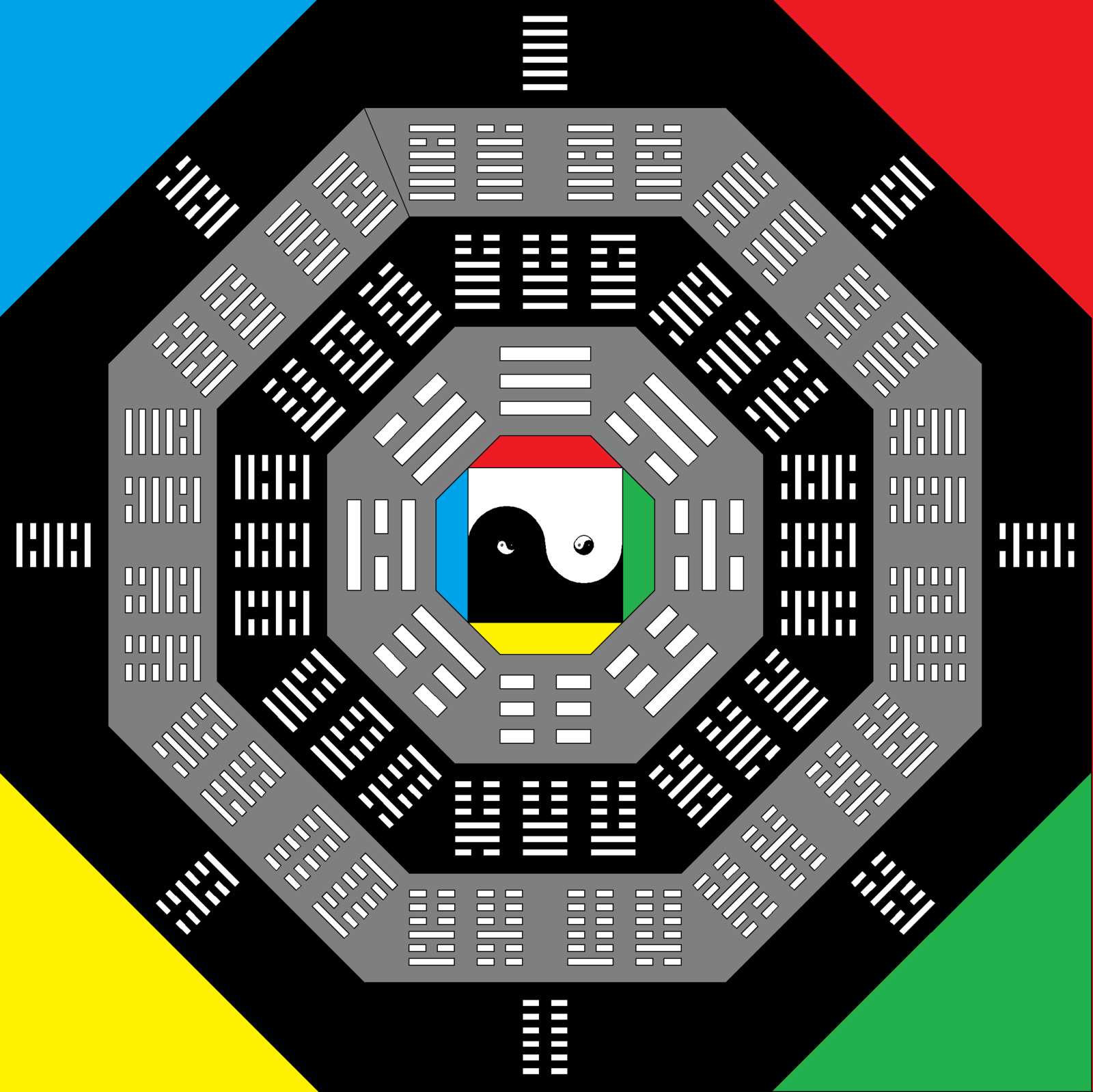

A family planning a shop opening once read the same date three ways. It was auspicious on one page, marked with a clash on another, and simply blank on a third. All three were quoting the same day. What differed was which column each reader looked at first.
A huangli almanac is not one instruction. It is a stack of independent systems printed in a single box, and it only becomes usable once you decide the order in which you read them.
What a huangli almanac actually contains
A daily page in a traditional almanac usually carries six or seven layers at once. The day pillar, given as a stem-branch pair such as jia-zi. The twelve day officers, a rotating set of characters that describes the day's temperament. The twenty-eight lunar mansions, each with its own associations. A do-and-avoid list of activities. The clash line, naming the animal sign that stands opposite the day. Auspicious hours, broken out by two-hour period. Solar term markers, and the small print of taboos and directions that most readers skip.
None of these layers was designed to be read together. They were compiled from different traditions at different times and printed side by side because printers sold a reference page, not a method.
Read it in this order
Order is the difference between a useful answer and paralysis. Five passes cover most everyday decisions.
- Day pillar and clash. A huangli almanac prints which zodiac sign the day clashes with. Find your own year animal and your day branch before anything else; if the day clashes with you, no other column on the page will fix it.
- The day officer. The twelve officers run in sequence and describe whether a day is suited to starting, finishing, breaking, or waiting. This one line filters most of the do-and-avoid list before you read it.
- The activity words, matched exactly. 入宅, 移徙, and 安床 are three different entries on the same page, and an almanac that marks one as suitable may mark the others as not. Read the exact term for what you are doing.
- Auspicious hours. A workable day with no workable hour is still a workable decision — but it means the timing moves inside the day rather than the date.
- Solar term boundaries. The month's ruling energy changes at a solar term, so the day before and the day after a term are not read the same way. Near those boundaries, check the term date before trusting the rest of the page.
Where the almanac stops
Three limits are worth stating plainly, because they are where most misreadings begin.
The do-and-avoid list is generic. It describes the day, not the person standing in it. Two people born in the same year can have very different results from the same page, because the day interacts with a full four-pillar chart, not with one animal sign.
The clash line is a coarse filter, not a verdict. It rules days out; it does not rank the days that remain.
The almanac also never ranks urgency. It will happily tell you that the next suitable date for a major undertaking is six weeks away, which is accurate and sometimes useless. Deciding whether to wait is a judgement the page cannot make for you.
Using it alongside DaoMind's free tools
The almanac answers the question "what is this day like". A chart answers "what is this day like for me", and the two work better together than either does alone.
Start on the free tools page, where a four-pillar chart can be generated from a birth date and time; which free tools DaoMind offers sets out what each one answers. With a chart in hand, the almanac's clash line becomes specific rather than coarse, and the do-and-avoid list can be weighed against your own useful elements instead of taken literally.
For decisions that carry real cost — a move, an opening, a wedding, an altar consecration — the usual path at the temple is to send the date, the chart, and the question to a day master and have the comparison done directly. That work is handled through booking a consultation; the practical details of what to prepare are covered in how booking works. Readers who want to follow their own chart across a year, rather than ask once, tend to keep the chart on file and check it in the membership area, which is where the longer monthly reading sits.
One seasonal note belongs here. In the lunar year, the annual affliction known as tai sui sits in a fixed direction and a fixed branch, and moving or renovating against it is the single most common reason a date that looked fine on paper goes wrong in practice. What tai sui means and when it matters is worth reading before any renovation date is fixed.
A worked example
Take an ordinary house move. The first pass is the clash line: the day clashes with the family's year animal, so the date is out regardless of what else the page says. The second pass picks the next day whose officer is a completing type rather than a breaking type. The third pass checks that 移徙 appears in the suitable column rather than 入宅, since a move and a formal settling-in are not the same act. The fourth pass narrows to a two-hour window. The fifth pass confirms the date does not sit against the annual direction.
That is five minutes of reading, and it produces a shortlist of two or three dates rather than a single answer — which is the correct output. An almanac narrows; it does not decide.
A one-page checklist
- Find the clash line before reading anything else.
- Read the officer, then the exact activity word.
- Treat the do-and-avoid column as advice about the day, not about you.
- Check solar term boundaries when the date is close to one.
- Compare the shortlist against a real chart before committing.
The page in front of you is a reference table, not an oracle. The skill is knowing which of its columns deserves to be read first for the decision you are actually making.
Weekly wisdom, straight to your inbox
Essays, seasonal guidance, and energy insights - one letter a week, no noise.
DaoMind Pro
Read your own chart
Generate your full Ba Zi chart and elemental balance - the same data a practitioner opens with.
Open Destiny Atlas →