The Pantheon
of the Tao
Step into an illustrated museum of the Taoist gods - and trace the 2,500-year journey from a lone philosopher's five thousand words at a mountain pass to a living religion of temples, rituals, and celestial courts that still shapes the world today.
Deities & Historical Masters
神祇與宗師
Exhibition Halls
八殿
Taisui Star-Generals
六十太歲星君
Years of History
兩千五百年
Walk the museum
hall by hall
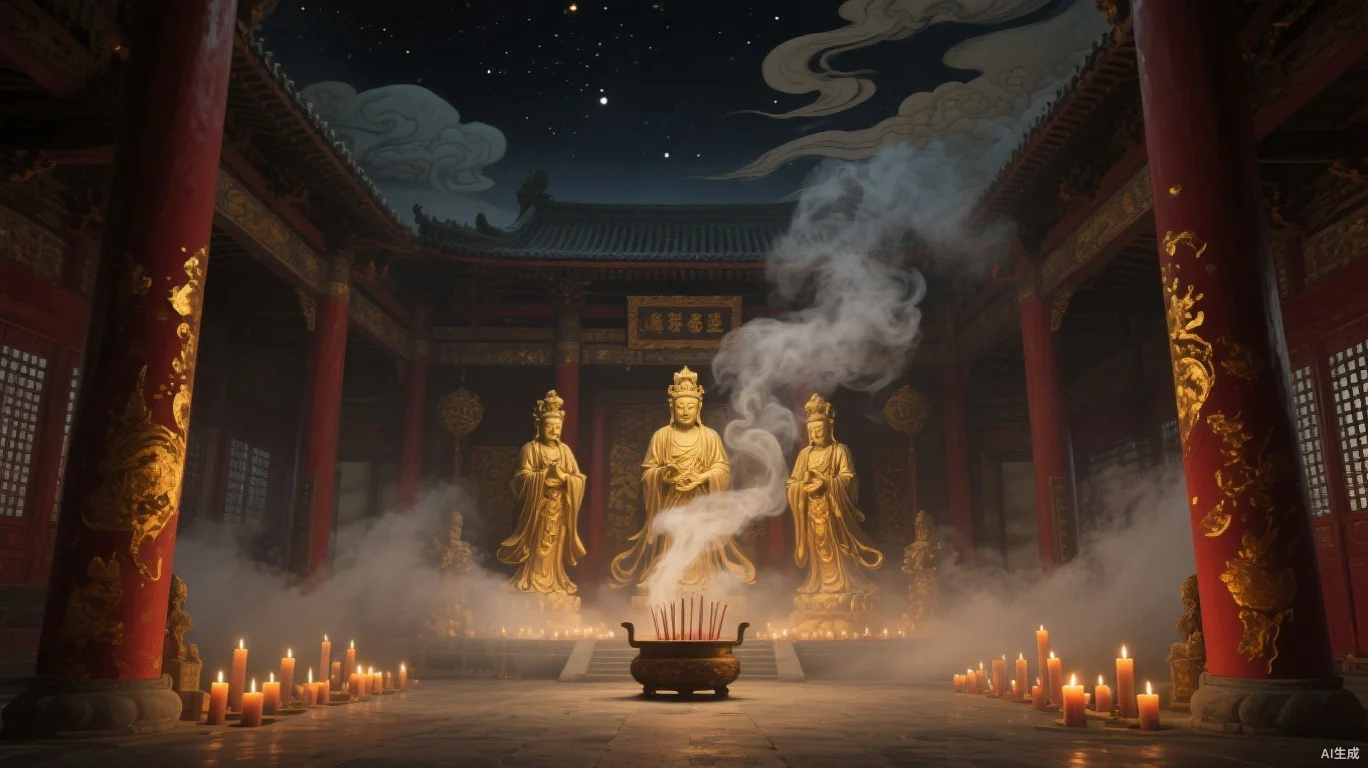
The Taoist pantheon is not a random crowd of idols — it is a celestial mirror of the empire, ordered in ranks and ministries. Eight halls lead from cosmic principles, through the courts of stars and officials, to the intimate gods of village and hearth — and finally to the historical masters who built it all.
壹
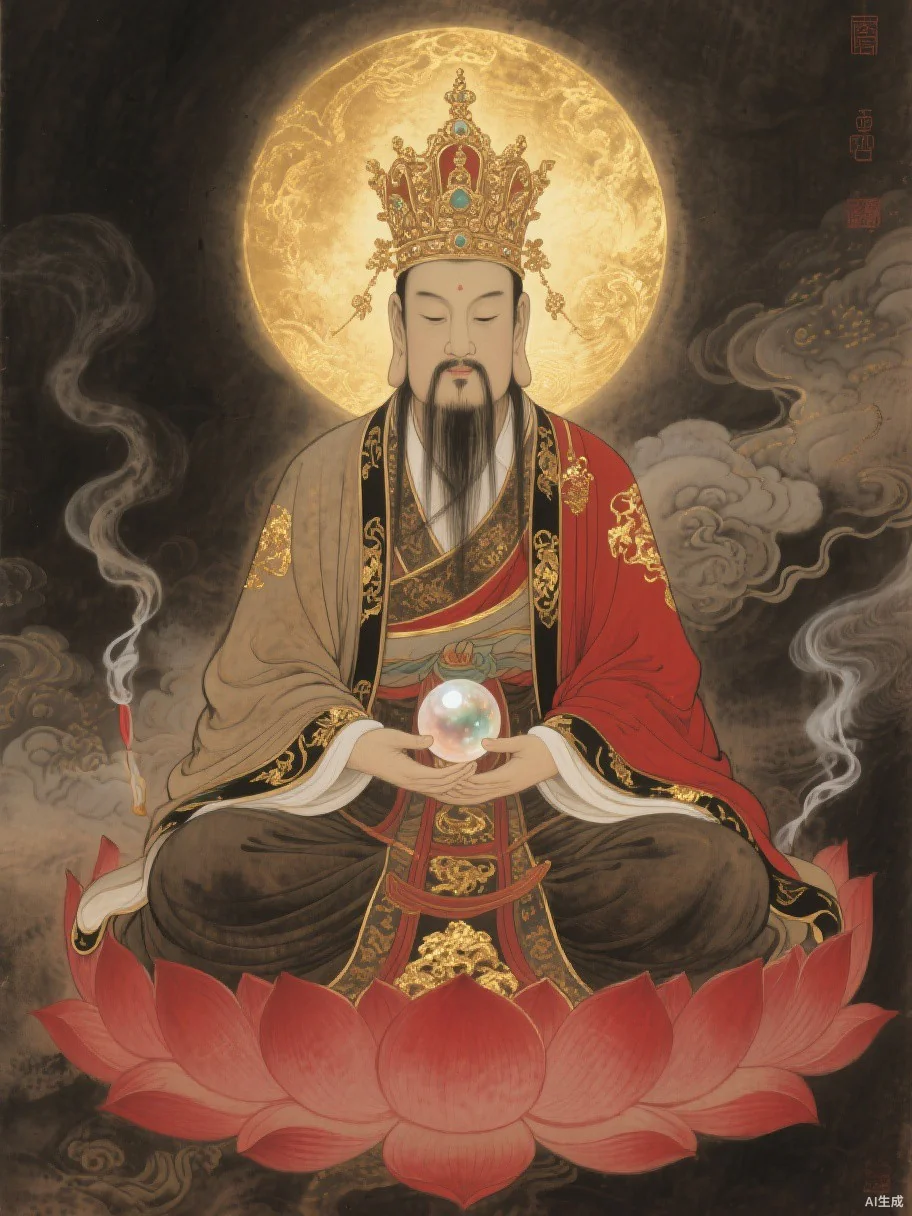
Hall 壹 · 三清境
The Three Pure Ones
The summit of the Taoist pantheon. The Three Pure Ones are not 'gods' in the ordinary sense — they are cosmic emanations of the Tao itself, each presiding over one of the three highest heavens.
3 Deities
贰
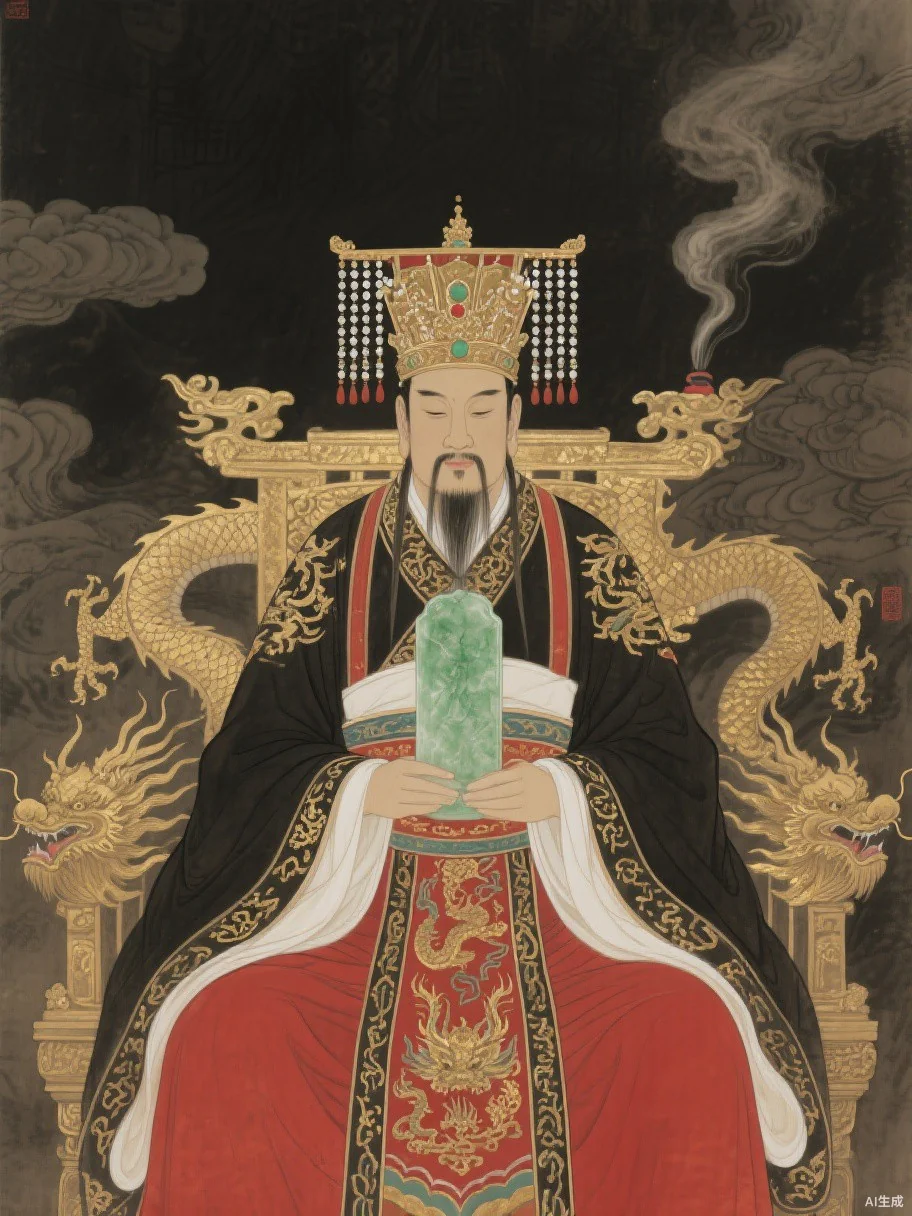
Hall 贰 · 四御天庭
The Celestial Court — Four Sovereigns
Directly below the Three Pure Ones stand the great sovereigns who administer the cosmos: the Jade Emperor above all, and the Four Sovereigns who govern sky, stars, war and earth. Some liturgies count them with two more as the 'Six Sovereigns'.
4 Deities
叁
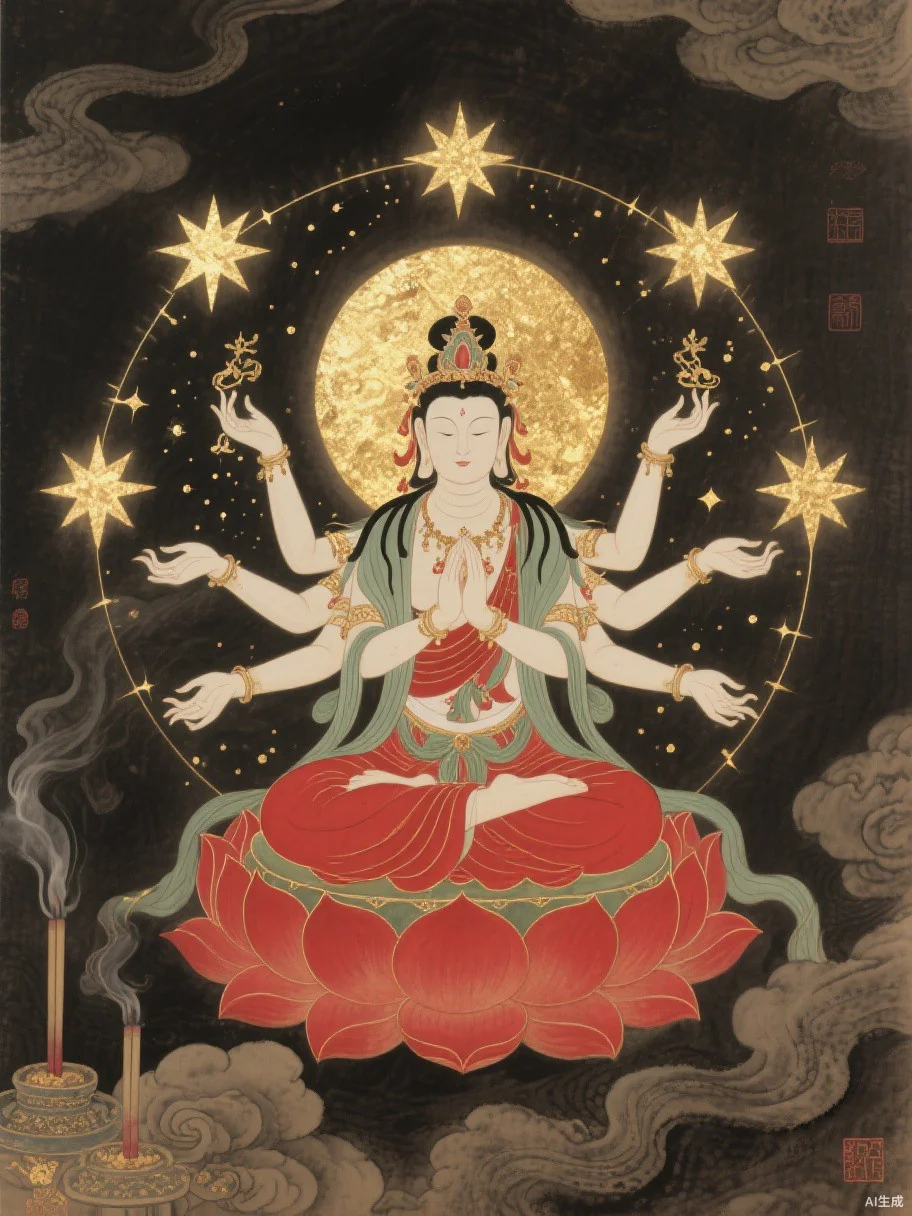
Hall 叁 · 星宿與救度
The Stellar Court & The Saviors
The stars of Taoism are not distant fires but ministries of heaven. These sovereigns govern the constellations, longevity, thunder and literature — and one descends to rescue the suffering, living and dead.
6 Deities
肆
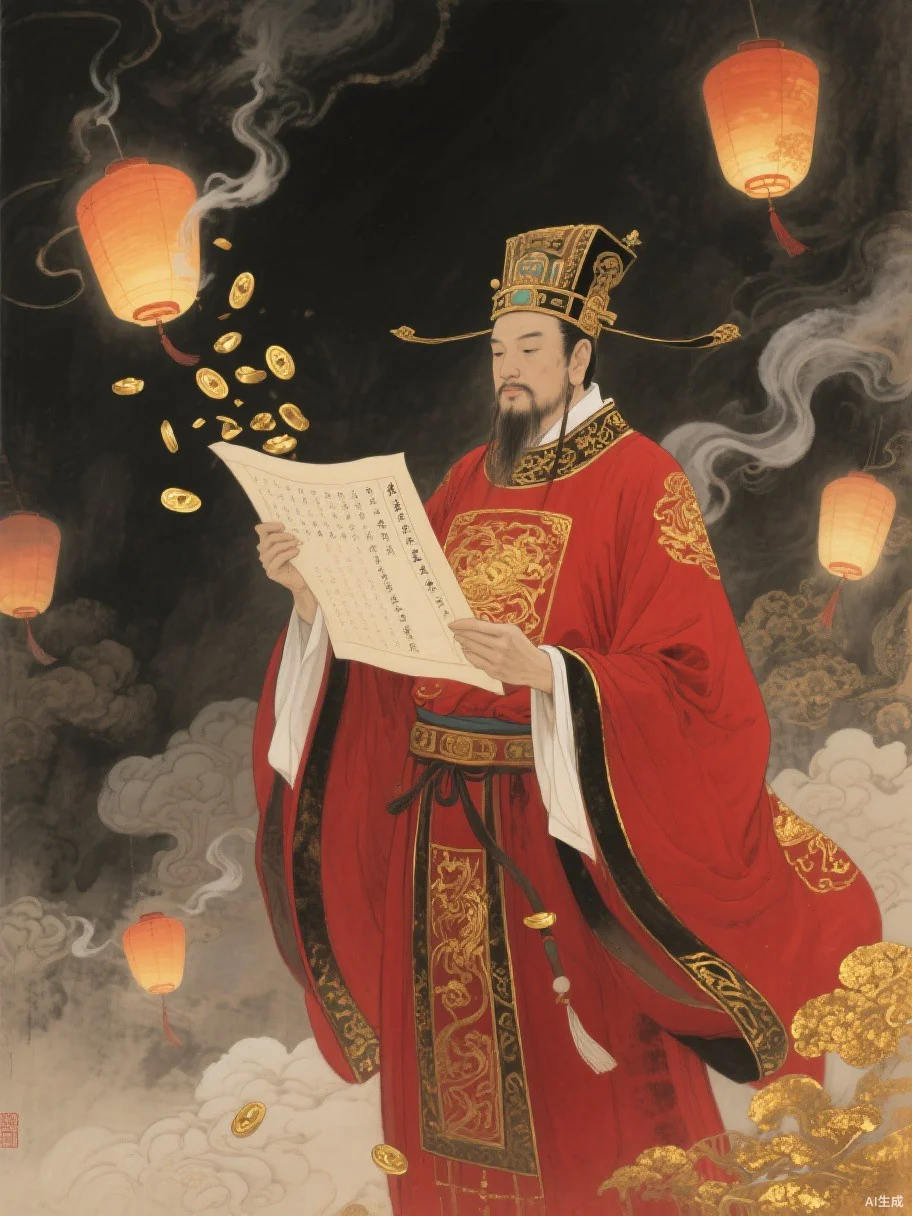
Hall 肆 · 三官大帝
The Three Officials
Among the oldest objects of Taoist worship — heaven, earth and water themselves, personified as three brothers. Their three festivals of the lunar year remain living holidays across China today.
3 Deities
伍
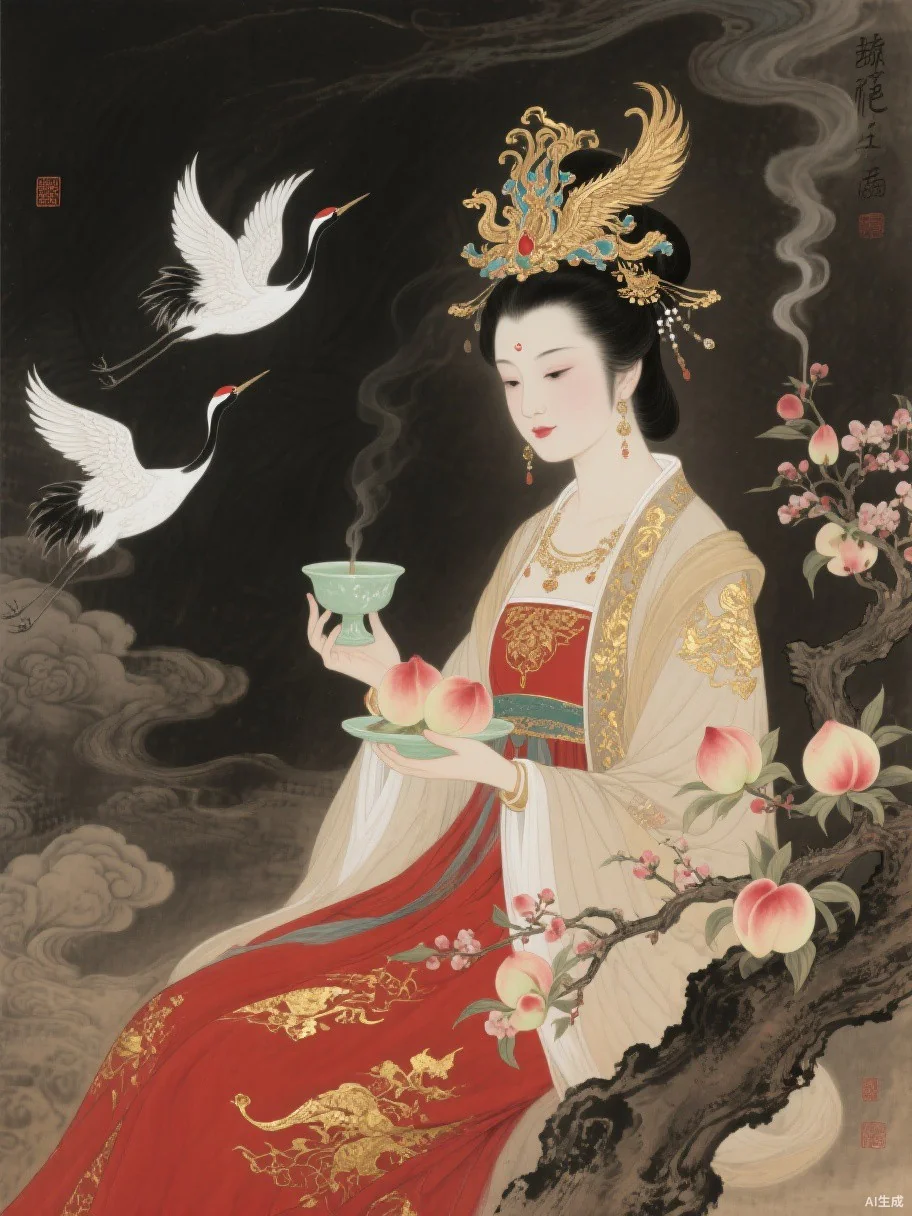
Hall 伍 · 仙真聖姥
Goddesses & Immortals
Beyond the celestial court roam the xian — the transcendent ones: the great sovereigns of east and west who perfected their inner energy and rose above death.
4 Deities
陆
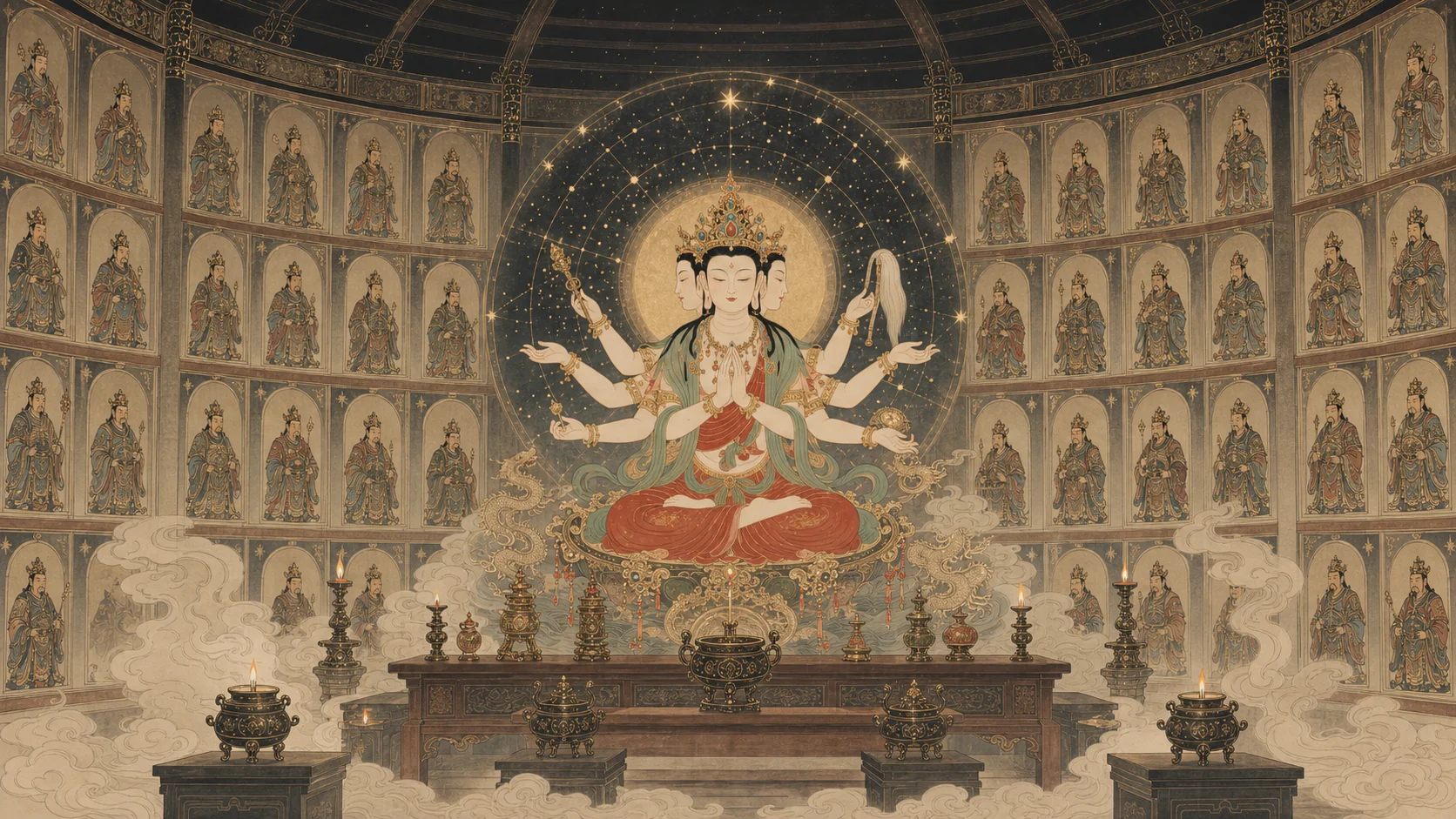
Hall 陆 · 六十甲子太歲
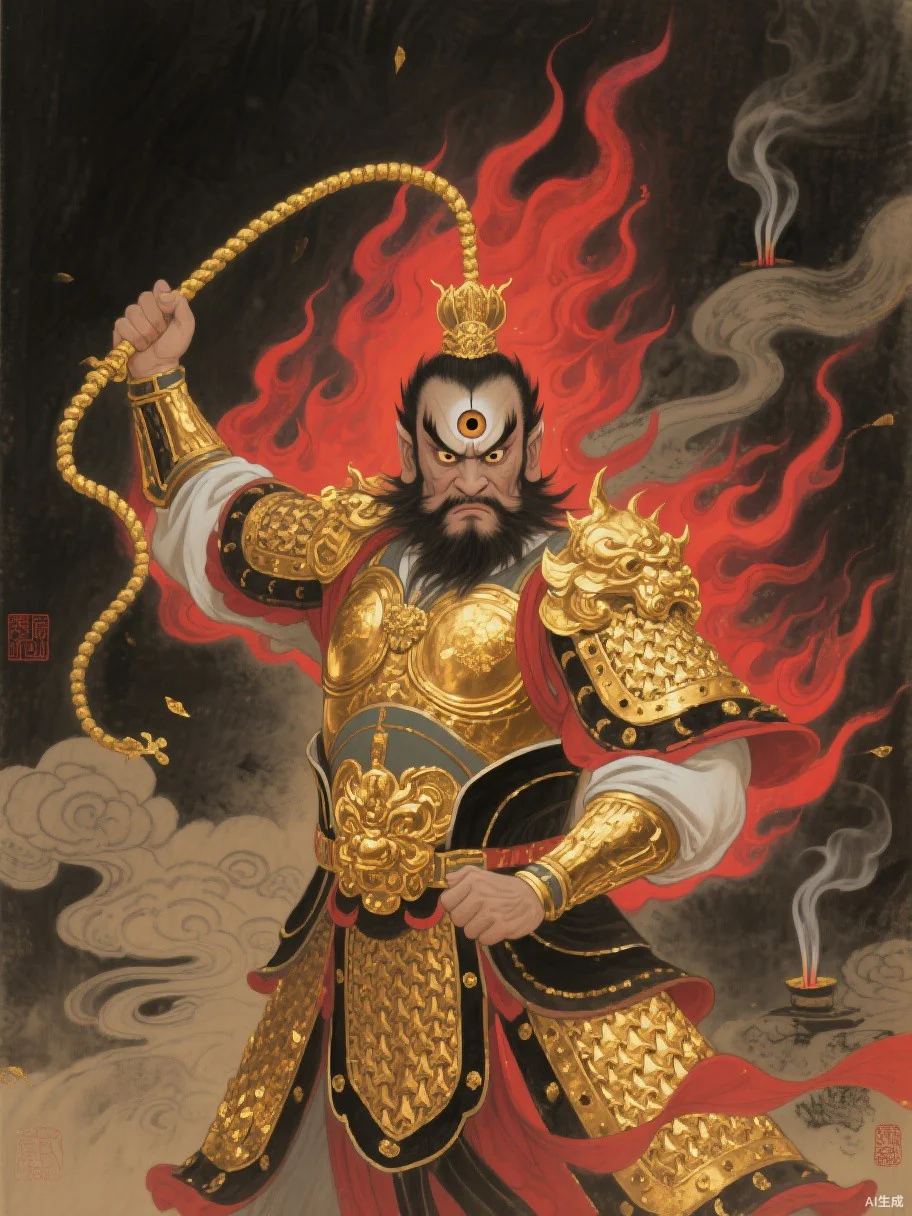
The Sixty Taisui Star-Lords
Each of the sixty years of the great calendar cycle is governed by its own star-general — a Taisui. In the Yuanchen halls of the great temples, all sixty sit in circle around Doumu Yuanjun, the Star Mother of the Dipper.
60 Star-Generals
柒
Hall 柒 · 護法與民間神
Guardians & Gods of the People
History's most loyal generals and honest officials raised to godhood, and the intimate gods of daily life — city, village, hearth. Together they form the living grassroots of the Taoist world.
6 Deities
捌
Hall 捌 · 歷代宗師
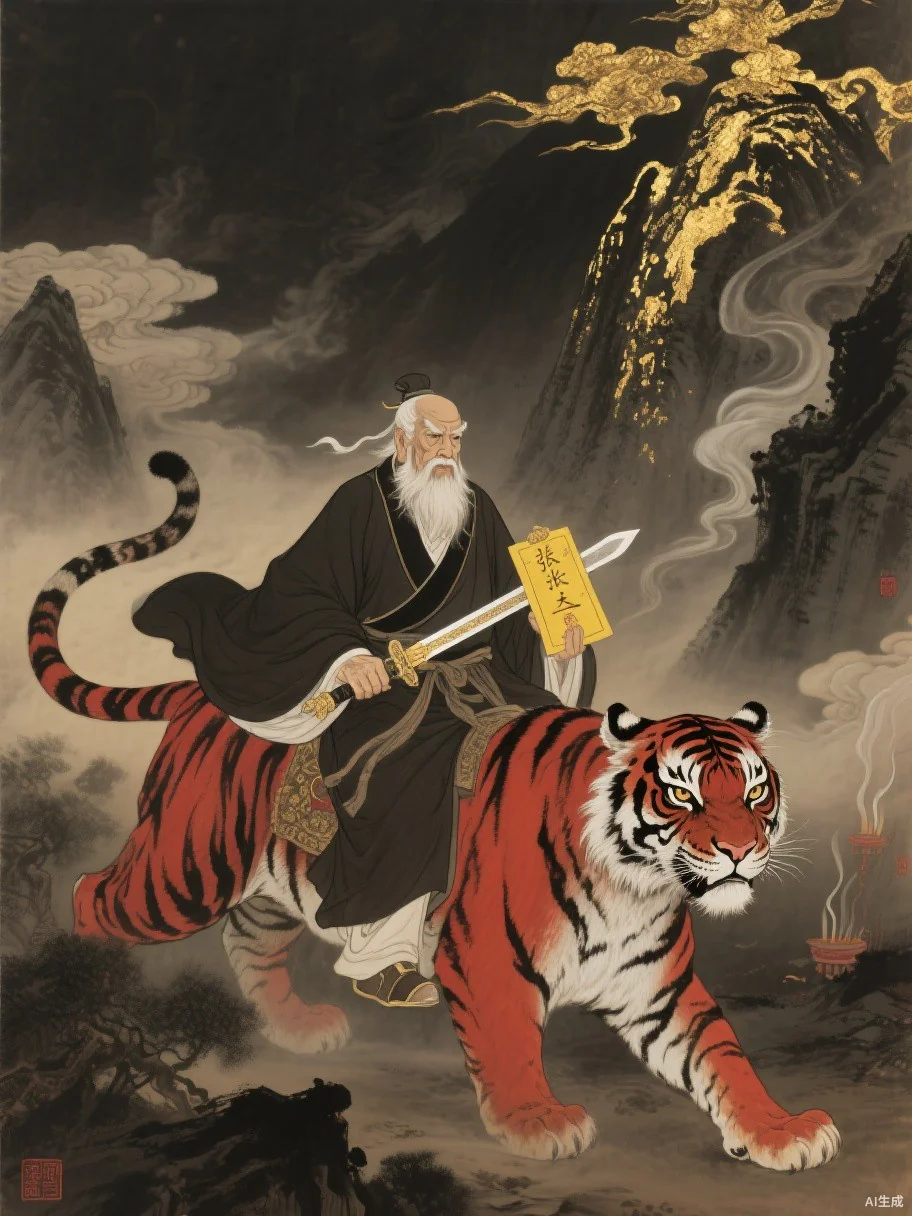
The Historical Masters
Not myth but history: the real men whose writings, reforms and lineages built religious Taoism over two millennia — alchemists, liturgists, physicians and founders of the schools still alive today.
12 Historical Masters
One River, Two Currents · 一河兩脈
Philosophy & Religion
Western languages use one word — “Taoism” — for two very different things. Chinese keeps them apart: 道家, the school of thought, and 道教, the organized religion.
6th – 3rd century BCE
The Philosophy — Daojia
Taoism began as a school of thought. In an age of warring states, hermit-sages asked a radical question: what if the way to power is to stop forcing, and the way to live is to follow nature?
Laozi & the Tao Te Ching
Five thousand characters on the Tao — the nameless source of all things — and wu wei, the art of effortless action.
Zhuangzi & the free mind
Parables of dreaming butterflies and useless trees, dissolving the boundaries between self and world.
A way of living
No temples, no priests — only simplicity, stillness, and alignment with the natural flow.
142 CE – today
The Religion — Daojiao
Five centuries later, philosophy took on flesh. In 142 CE the hermit Zhang Daoling received a revelation of the deified Laozi on Mount Heming, Sichuan — and founded the first organized Taoist church.
Priests & liturgy
An ordained priesthood performing rituals, offerings and ceremonies for the living and the dead.
The pantheon
A celestial bureaucracy of gods — many of them deified sages and heroes — who can be petitioned and thanked.
Practices of transcendence
Meditation, internal alchemy, talismans, and temple festivals aimed at health, longevity and salvation.
One river, two currents. The religion drew its metaphysics from the philosophers, and the philosophers' quiet ideal — harmony with the Tao — became a living tradition of temples, gods and rituals that has endured for nearly two thousand years.
The River of History · 歷史長河
Twenty-five centuries
of the Way
From a hermit's book at a mountain pass to a worldwide living tradition — the eleven turning points of the Tao.
c. 600 BCE
Laozi writes the Tao Te Ching
According to tradition, the archivist Laozi, weary of the declining Zhou court, rides an ox westward through the Hangu Pass. At the gatekeeper's request he leaves behind five thousand characters — the founding text of the entire tradition.
c. 350 BCE
Zhuangzi & the golden age of philosophy
Zhuangzi, Liezi and other voices expand the teaching into parable, humor and radical freedom. 'Daojia' — the School of the Way — becomes one of the great currents of Chinese thought.
c. 180 BCE
Huang-Lao rules the early Han empire
The first stable Han emperors govern by 'Huang-Lao' doctrine — the teachings of the Yellow Emperor and Laozi combined. Wu wei becomes statecraft: light taxes, few laws, and the empire recovers.
142 CE
The Way of the Celestial Masters is founded
On Mount Heming in Sichuan, the hermit Zhang Daoling receives a revelation from the deified Laozi and founds the first organized Taoist church. Religious Taoism — 'Daojiao' — is born.
c. 320 CE
Ge Hong & the quest for immortality
In his 'Baopuzi', Ge Hong systematizes alchemy, elixirs and the techniques of transcendence, while the great families of the south preserve lineages of meditation and ritual.
4th – 5th c.
Shangqing & Lingbao revelations
New scriptures descend through visionaries and mediums. Lu Xiujing in the south and Kou Qianzhi in the north organize liturgy and compile the first catalogues of the Taoist canon.
618 – 907
The Tang dynasty golden age
The Tang imperial house claims Laozi as its ancestor. Taoism becomes the empire's honored faith, the Tao Te Ching enters the civil examinations, and temple architecture reaches new heights.
960 – 1279
Inner alchemy replaces the crucible
The Song turn outward elixirs inward: 'neidan', internal alchemy, cultivates body and mind as the true laboratory. Zhang Boduan's 'Wuzhen Pian' charts the awakened mind's anatomy.
1167
Quanzhen rises; the two great schools emerge
Wang Chongyang founds Quanzhen — 'Complete Perfection' — blending monastic discipline with meditation. In the south, the old Celestial Masters consolidate as Zhengyi. These two schools lead Taoism to this day.
1445
The great canon is printed
The Ming court completes the Zhengtong Daozang — nearly 1,500 texts of liturgy, alchemy, medicine and myth — preserving two millennia of tradition through every upheaval that follows.
Today
A living tradition
From Wudangshan to Chinatowns across the world, Taoist temples, festivals and practices remain alive — and the ancient question of the Tao continues to find new seekers in every land.
Continue
your pilgrimage
The museum is the map — the texts are the territory. Read the Tao Te Ching in our library, or cast the oracle and ask the Tao directly.