捌殿 · 歷代宗師
The Historical Masters
Step across the threshold - Not myth but history: the real men whose writings, reforms and lineages built religious Taoism over two millennia — alchemists, liturgists, physicians and founders of the schools still alive today.
12 Historical Masters on display
師
Founder of Religious Taoism
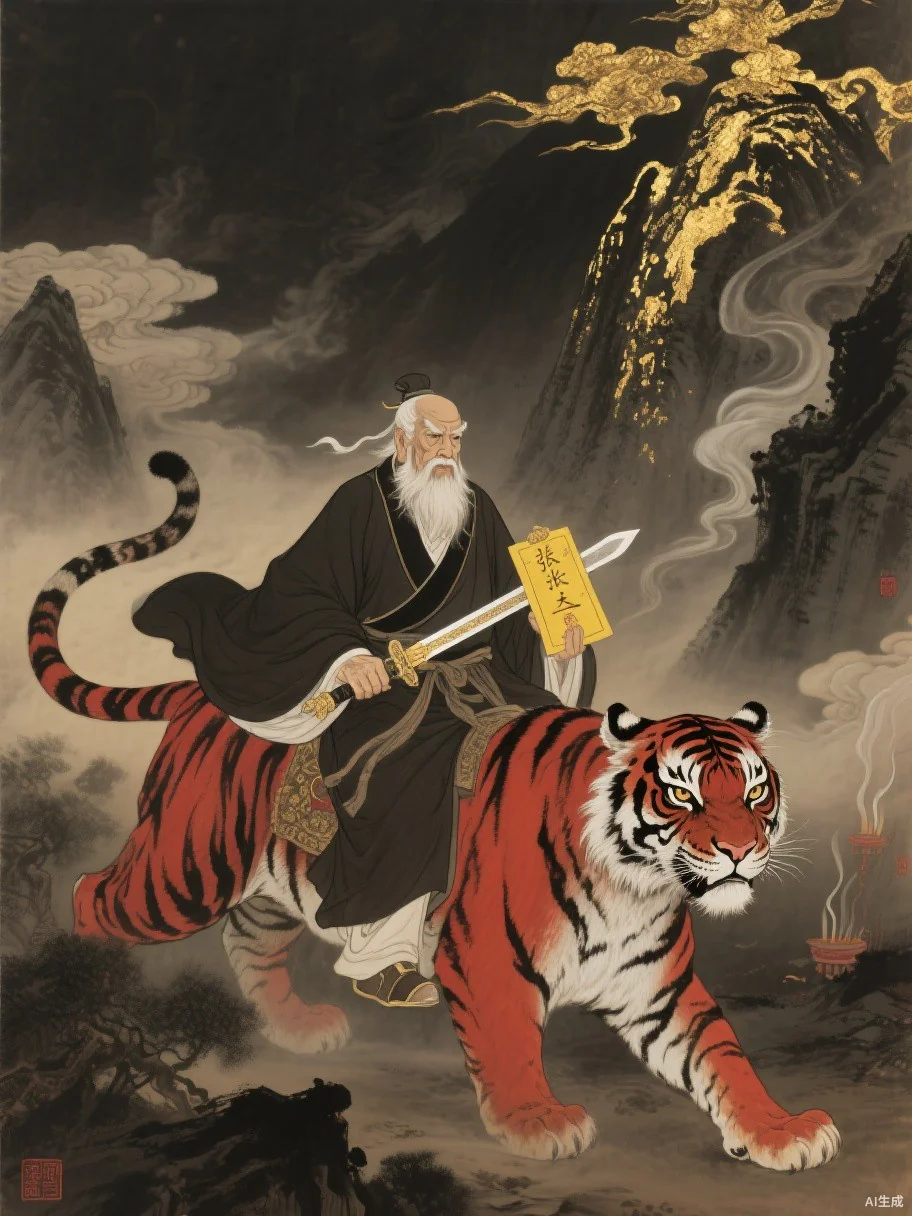
Zhang Tianshi, the First Celestial Master
The hermit Zhang Daoling who, in 142 CE, received on Mount Heming the revelation of the deified Laozi and the covenant of the 'True One'. His title and office have passed down through sixty generations at Mount Longhu — one of the longest hereditary lines on earth.
- Riding a tiger
- Talisman of the True One
- Mount Longhu
丹
Father of the Furnace & Elixir
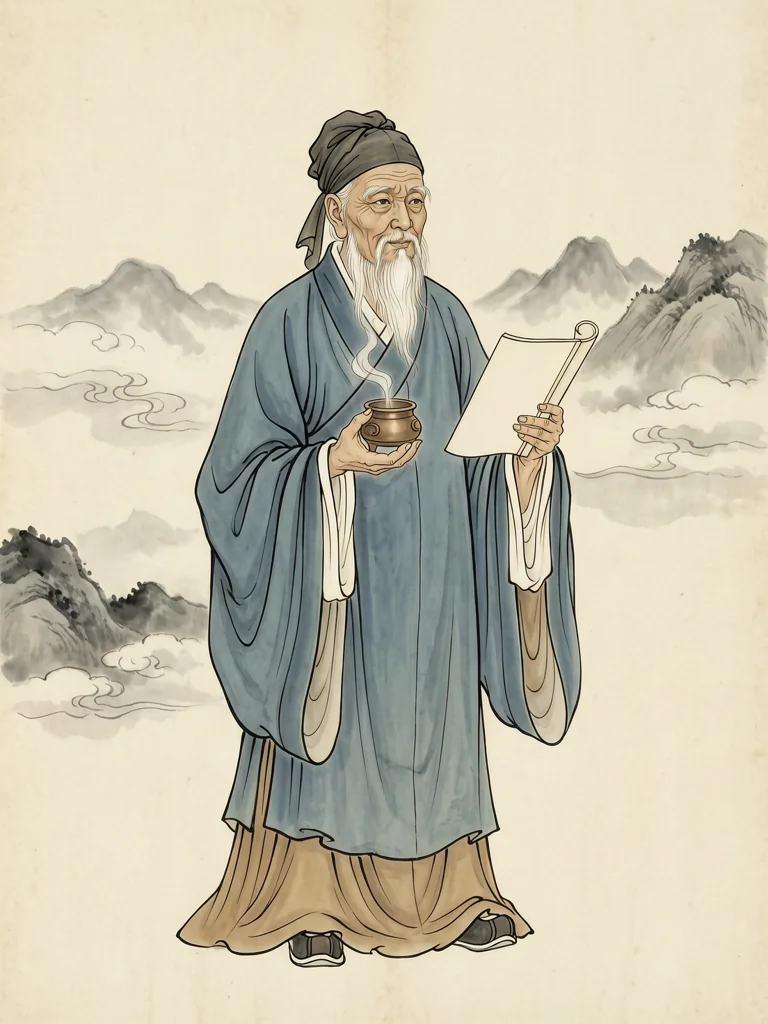
Wei Boyang, the King of Alchemy
Author of the Zhouyi Cantong Qi — the 'Kinship of the Three' — which fused the Book of Changes, the Laozi and the practice of alchemy into a single system. Every tradition of Chinese alchemy, outer or inner, traces its ancestry to this book.
- Zhouyi Cantong Qi
- The alchemical crucible
- The doctrine of lead & mercury
樸
The Great Systematizer
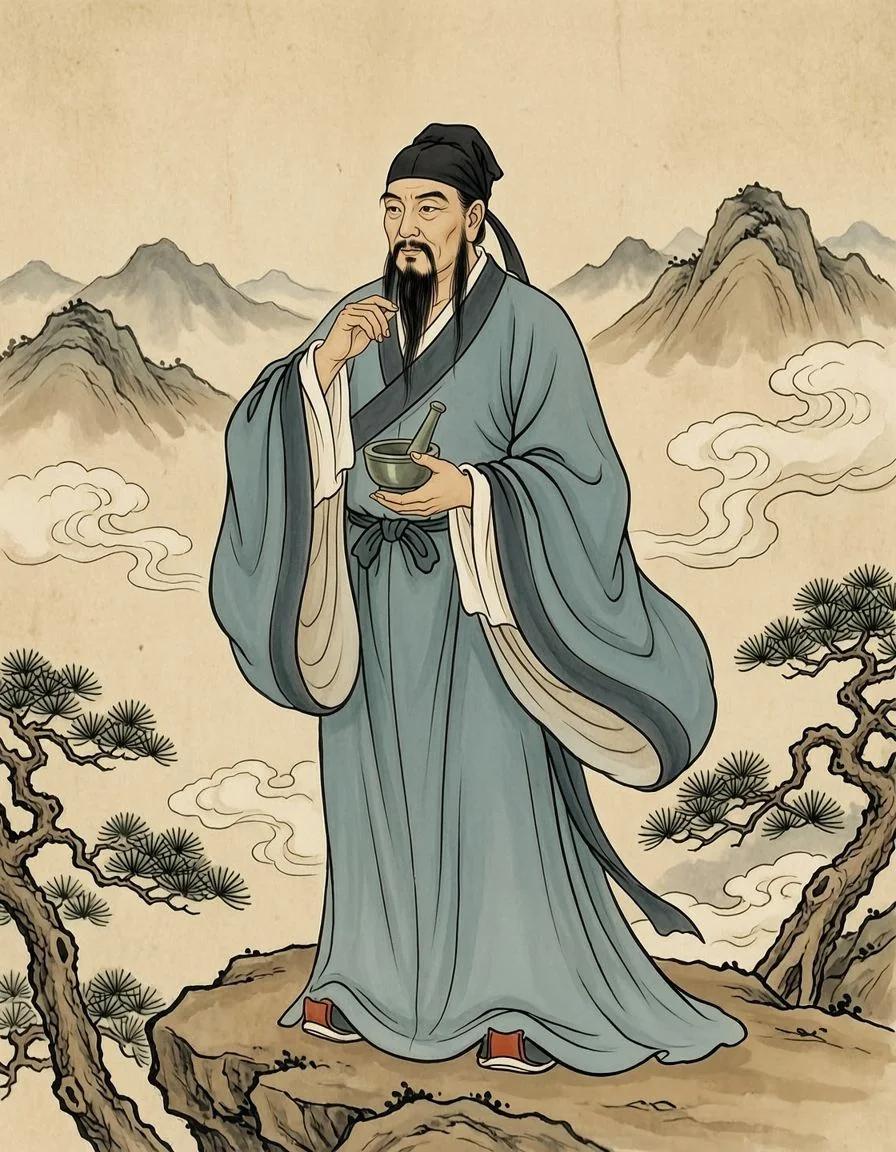
Ge Hong, Author of the Baopuzi
The greatest systematizer of early Taoist practice. His Baopuzi defends the quest for transcendence and records the alchemical formulas of his age, while his handbook of emergency medicine saved lives across southern China. He withdrew to Mount Luofu — legend says his body grew light as an empty cicada shell.
- Baopuzi, the Master Who Embraces Simplicity
- Zhouhou Fang, handbook of emergency medicine
- Mount Luofu
籙
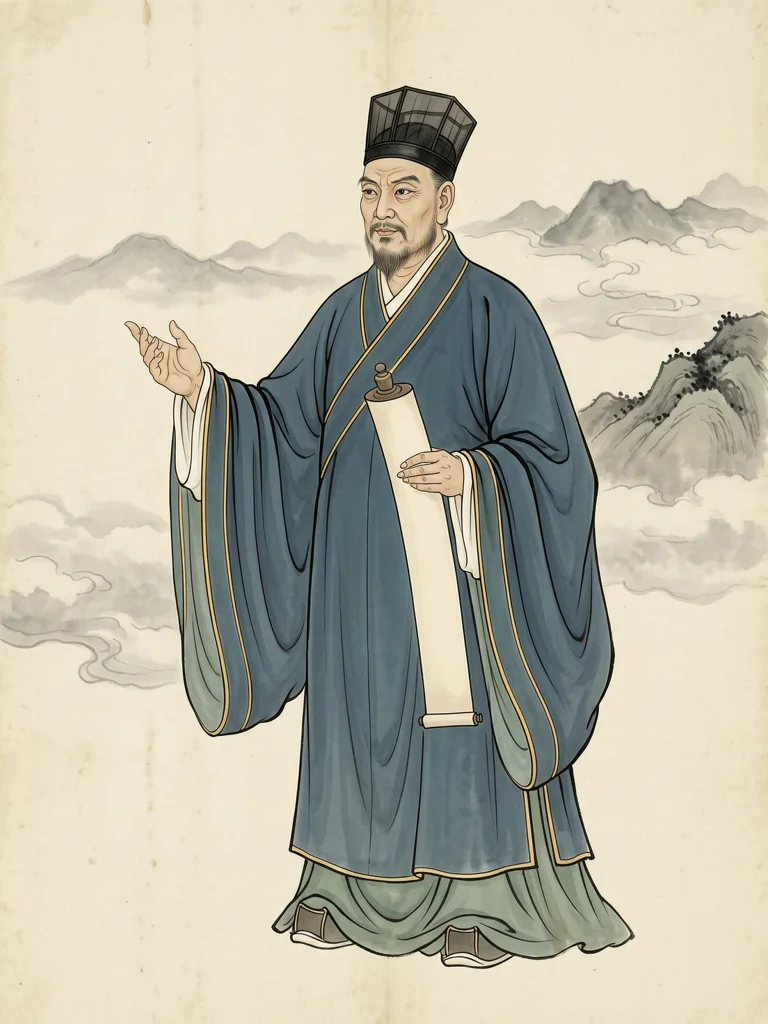
Maker of the Imperial Church
Kou Qianzhi, Reformer of the Northern Church
Claiming two revelations from on high, he purged the rites of the Celestial Masters and rebuilt them as an imperial state church. Through his disciple Emperor Taiwu of the Northern Wei, Taoism was proclaimed the religion of the empire — the first time in history.
- The New Code of the Celestial Masters
- Imperial consecration rites
- Mount Song
科
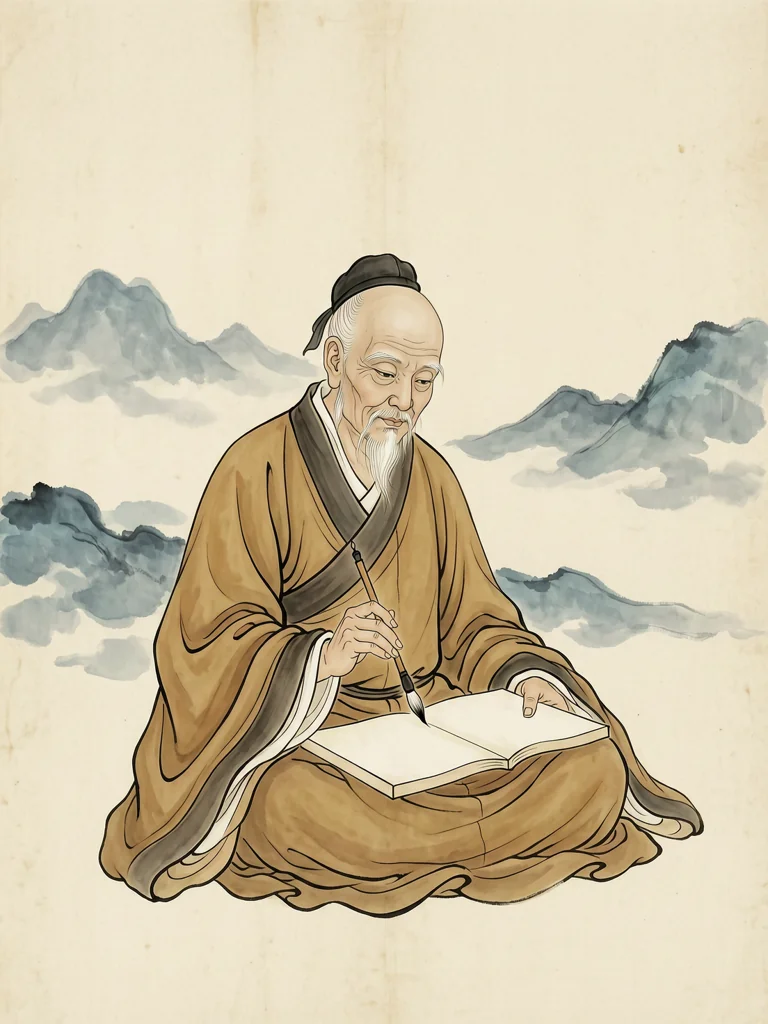
Orderer of Scriptures & Rites
Lu Xiujing, Architect of the Liturgy
He organized the scriptures of the southern traditions into the Three Caves classification still used for the Taoist canon today, and composed the ritual codes that turned temple worship into a formal art.
- The Three Coves catalogue
- Ritual codes of the jiao offering
- Mount Lu
山
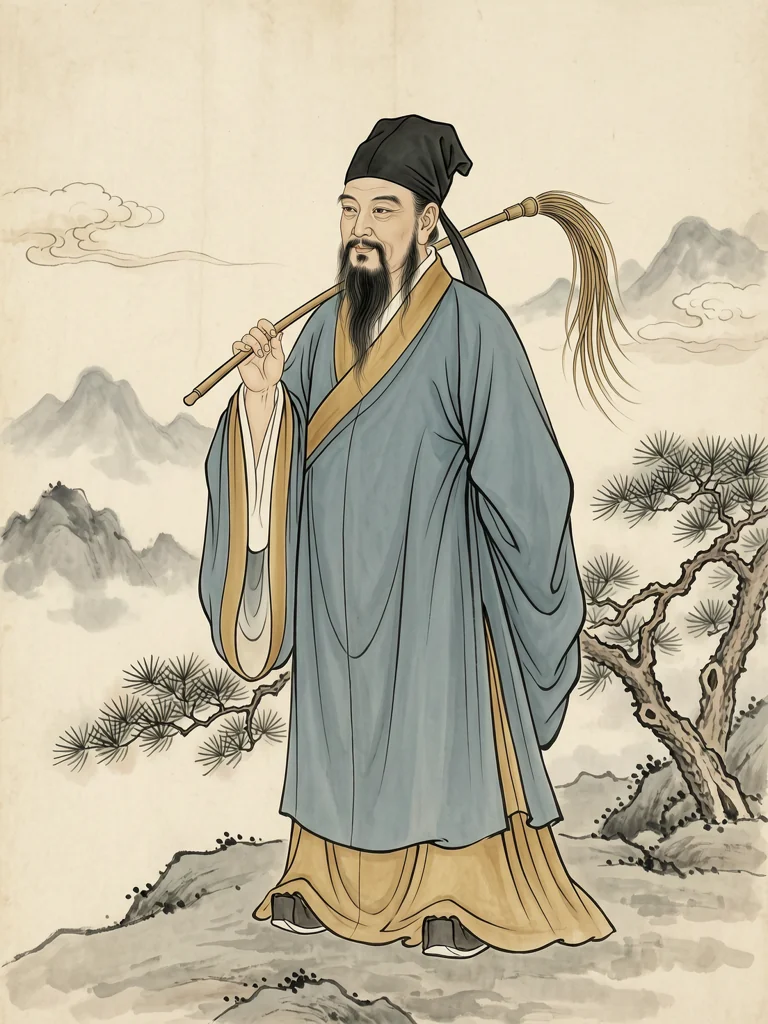
Ninth Patriarch of Shangqing
Tao Hongjing, the Hidden Prime Minister
Patriarch of the Shangqing lineage on Mount Mao and one of the greatest polymaths in Chinese history — alchemist, herbalist, calligrapher and astronomer. Two emperors consulted him on affairs of state while he remained a hermit, and called him 'the prime minister of the mountains'.
- The Shangqing scriptures of Mount Mao
- Commentary on the great herbal classic
- The hermit who advised emperors
坐
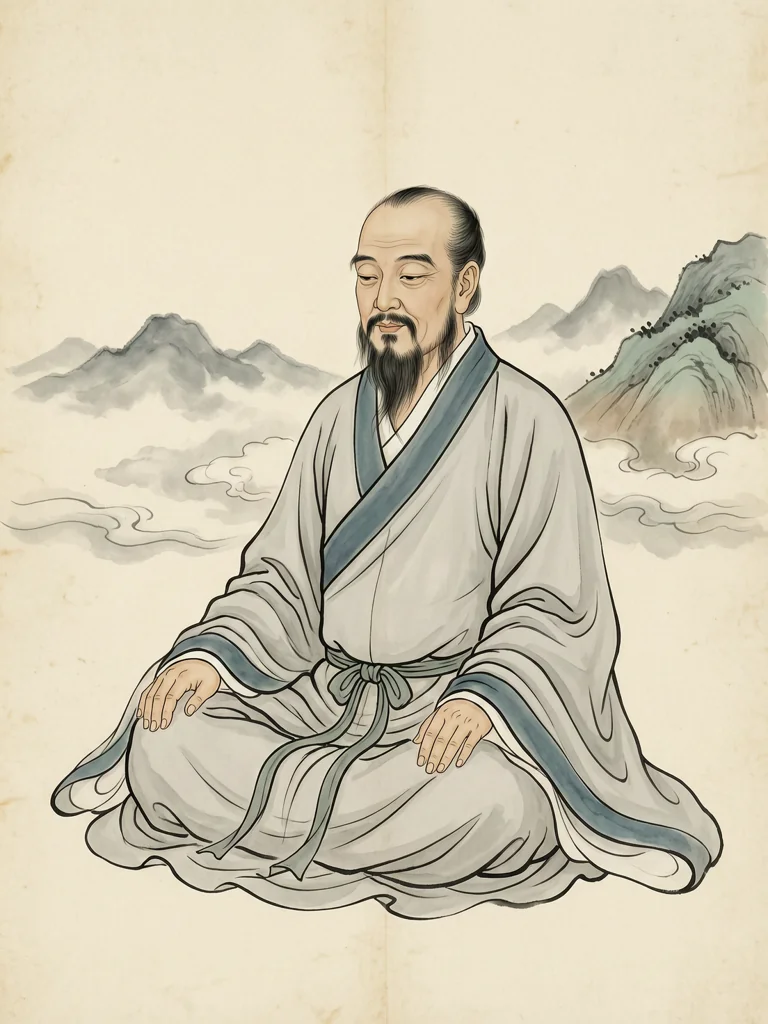
Tang Imperial Preceptor
Sima Chengzhen, Master of Sitting in Forgetfulness
Tang dynasty patriarch whose Zuowang Lun — 'Sitting in Forgetfulness' — remains one of the clearest meditation manuals ever written. Three Tang emperors summoned him to court, and he mapped the celestial geography of China's sacred mountains.
- Zuowang Lun, 'Sitting in Forgetfulness'
- The seven stages of stillness
- Mount Tiantai
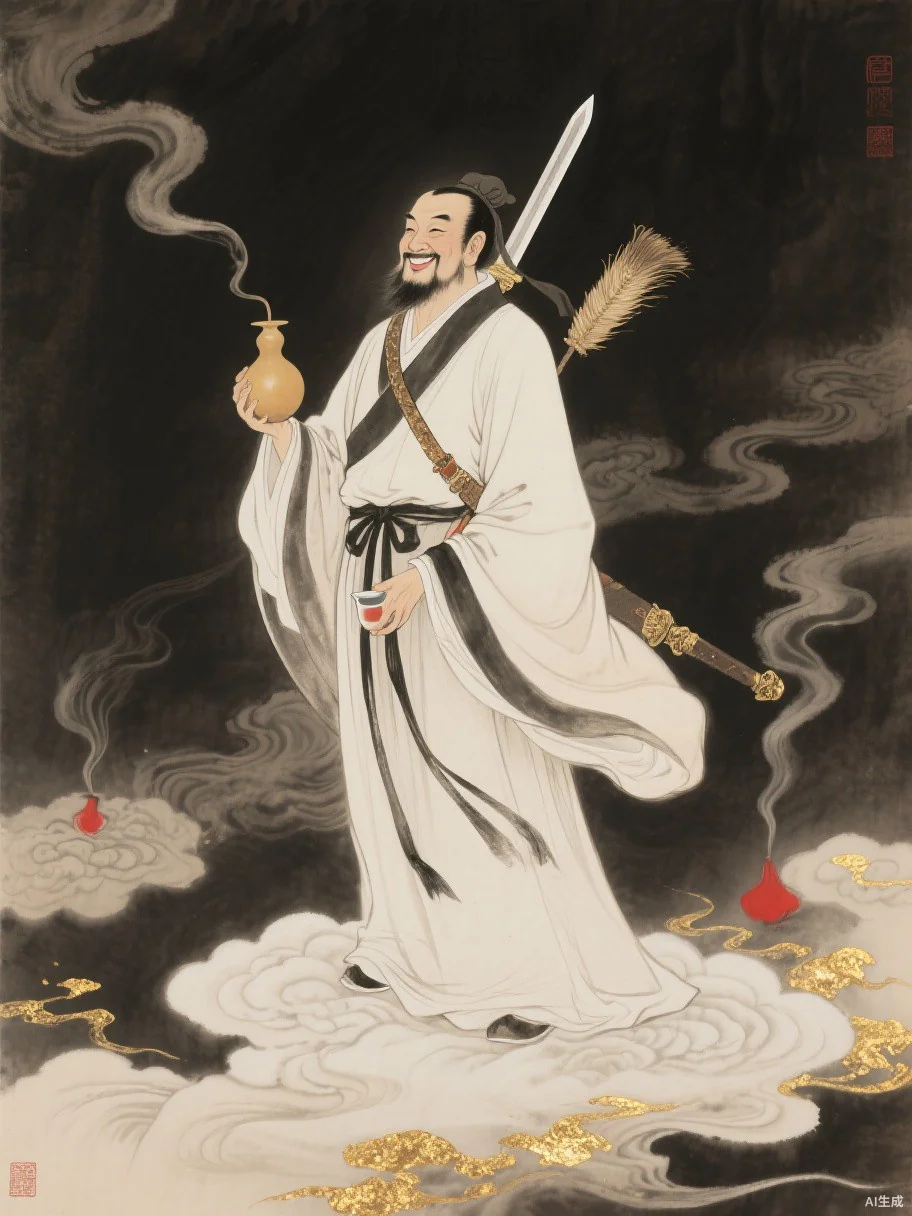
呂
Immortal & Inner-Alchemy Pioneer
Lü Dongbin, Patriarch Lü
The most beloved of the Eight Immortals and a founding patriarch of internal alchemy. Temples to 'Patriarch Lü' stand across China; he is honored as scholar, swordsman, healer and dispenser of oracles through the planchette.
- The demon-slaying sword
- Wine gourd and horsetail whisk
- The yellow millet dream
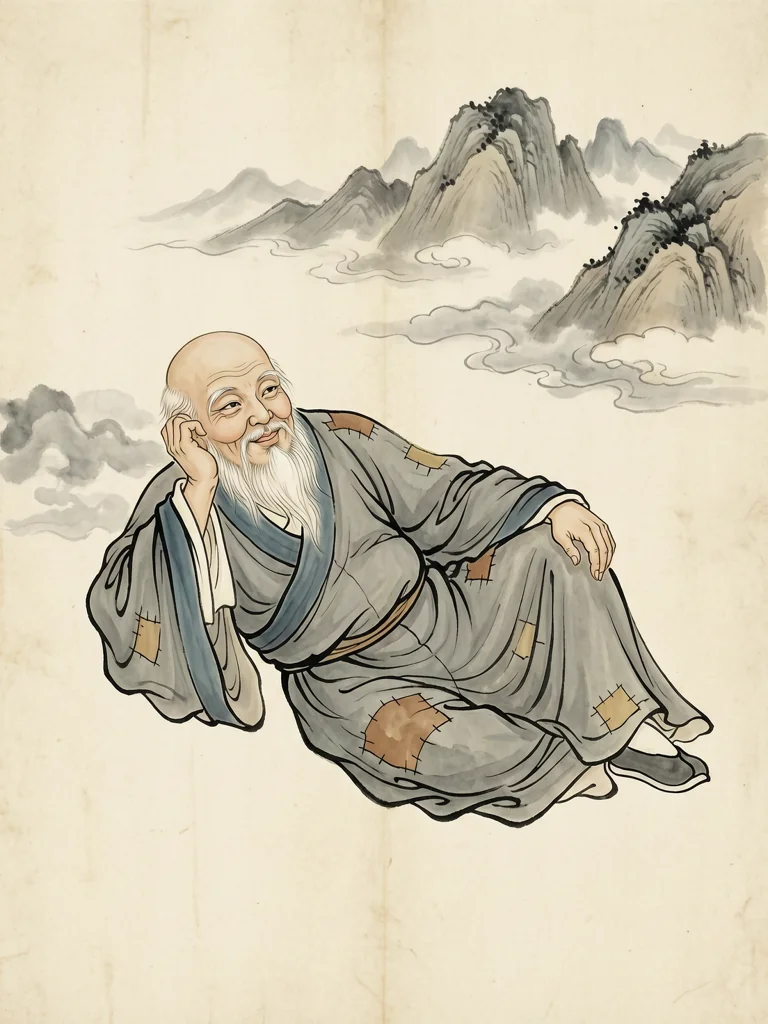
睡
Sage of the Five Dynasties
Chen Tuan, the Sleeping Immortal of Mount Hua
He transmitted the diagrams of the Great Ultimate that shaped both Taoist inner alchemy and Song dynasty cosmology. His 'sleeping meditation' earned him the name of the Sleeping Immortal; emperors sought his counsel and called him the Recluse of Mount Hua.
- The diagrams of Wuji and Taiji
- Sleeping meditation
- Mount Hua
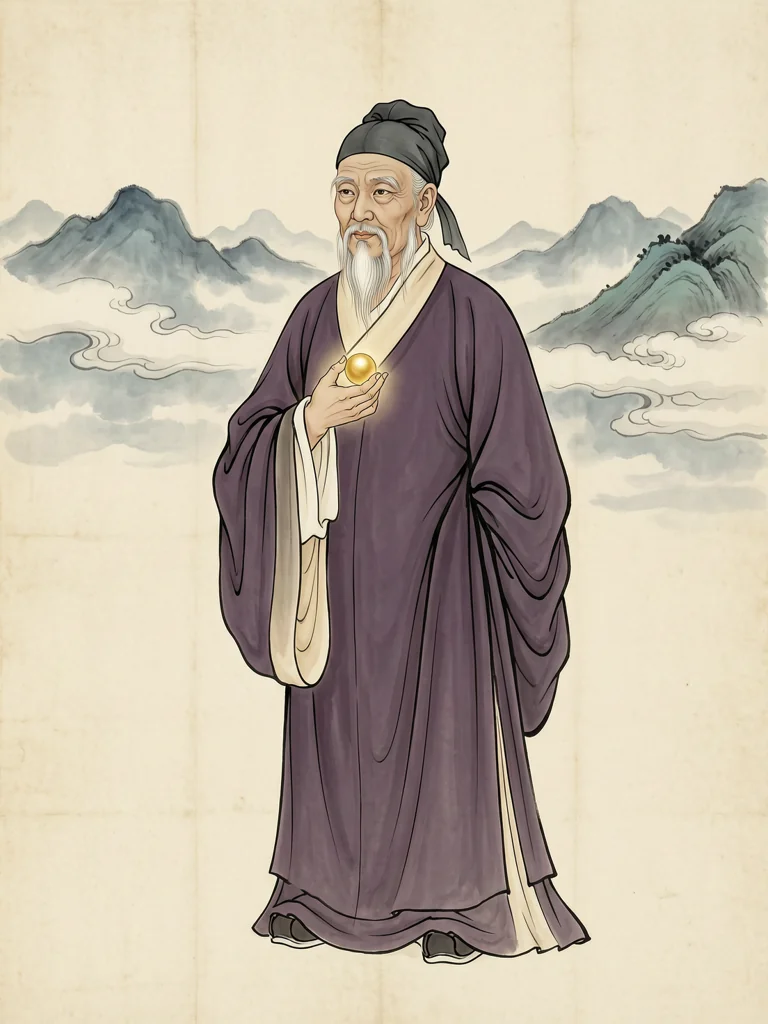
悟
Author of 'Awakening to Reality'
Zhang Boduan, Founder of the Southern Lineage
His Wuzhen Pian — 'Awakening to Reality' — is the classic scripture of inner alchemy, reading the body as the laboratory and the mind as the elixir. He is honored as the first patriarch of the Southern Lineage of the Complete Reality tradition.
- Wuzhen Pian, 'Awakening to Reality'
- The inner elixir
- Southern Lineage of inner alchemy
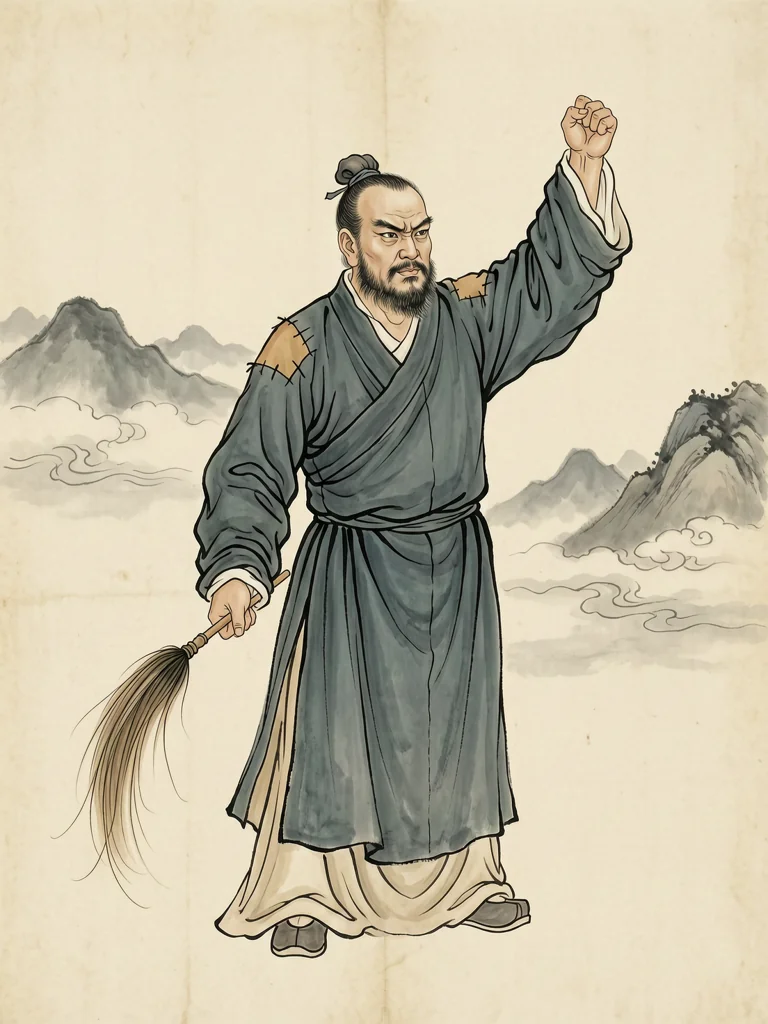
全
Founder of Quanzhen
Wang Chongyang, Founder of Complete Perfection
After years of ascetic practice in a grave-mound he called 'the Tomb of the Living Dead', he emerged to found Quanzhen — 'Complete Perfection' — a monastic order blending Taoist inner alchemy with meditative discipline. His seven disciples became the seven patriarchs of the north.
- The Tomb of the Living Dead
- The monastic rules of Quanzhen
- The seven true disciples
雪
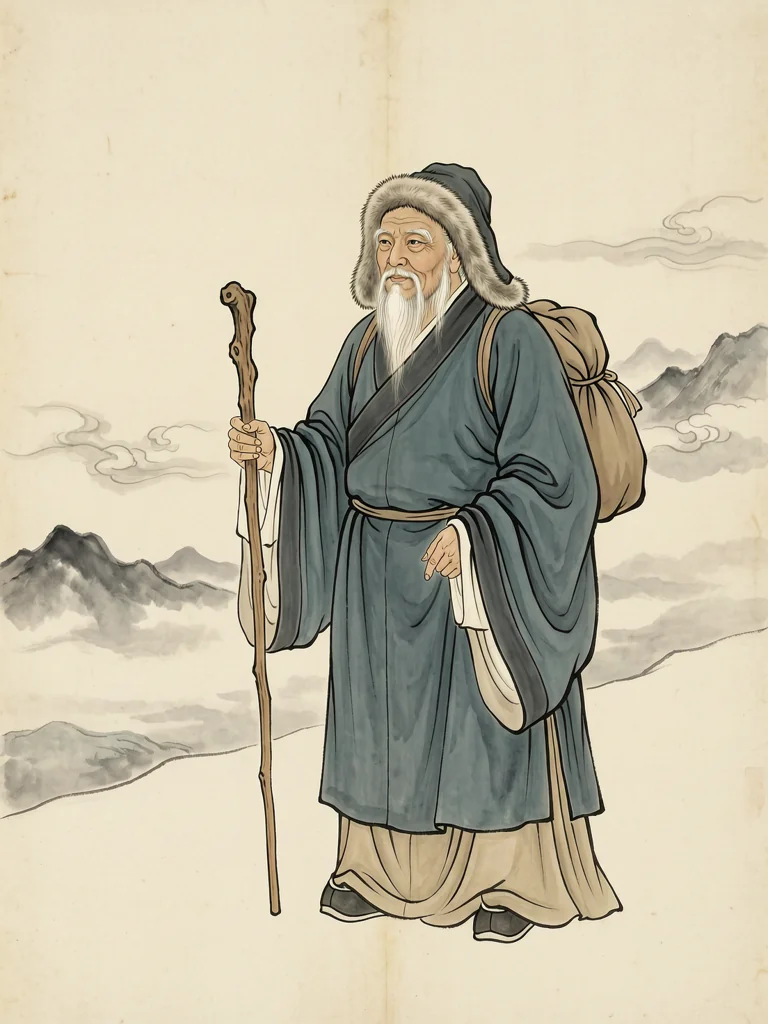
Patriarch of the Dragon Gate
Qiu Chuji, the Patriarch Who Crossed the Desert
At seventy-three he crossed the Gobi desert to meet Genghis Khan, persuading him to curb slaughter and win hearts instead. In return the Khan granted Quanzhen authority over the empire's religions — a patronage remembered at Beijing's White Cloud Temple to this day.
- The journey to the snowy mountains
- The 'Record of the Westward Journey'
- White Cloud Temple, Beijing