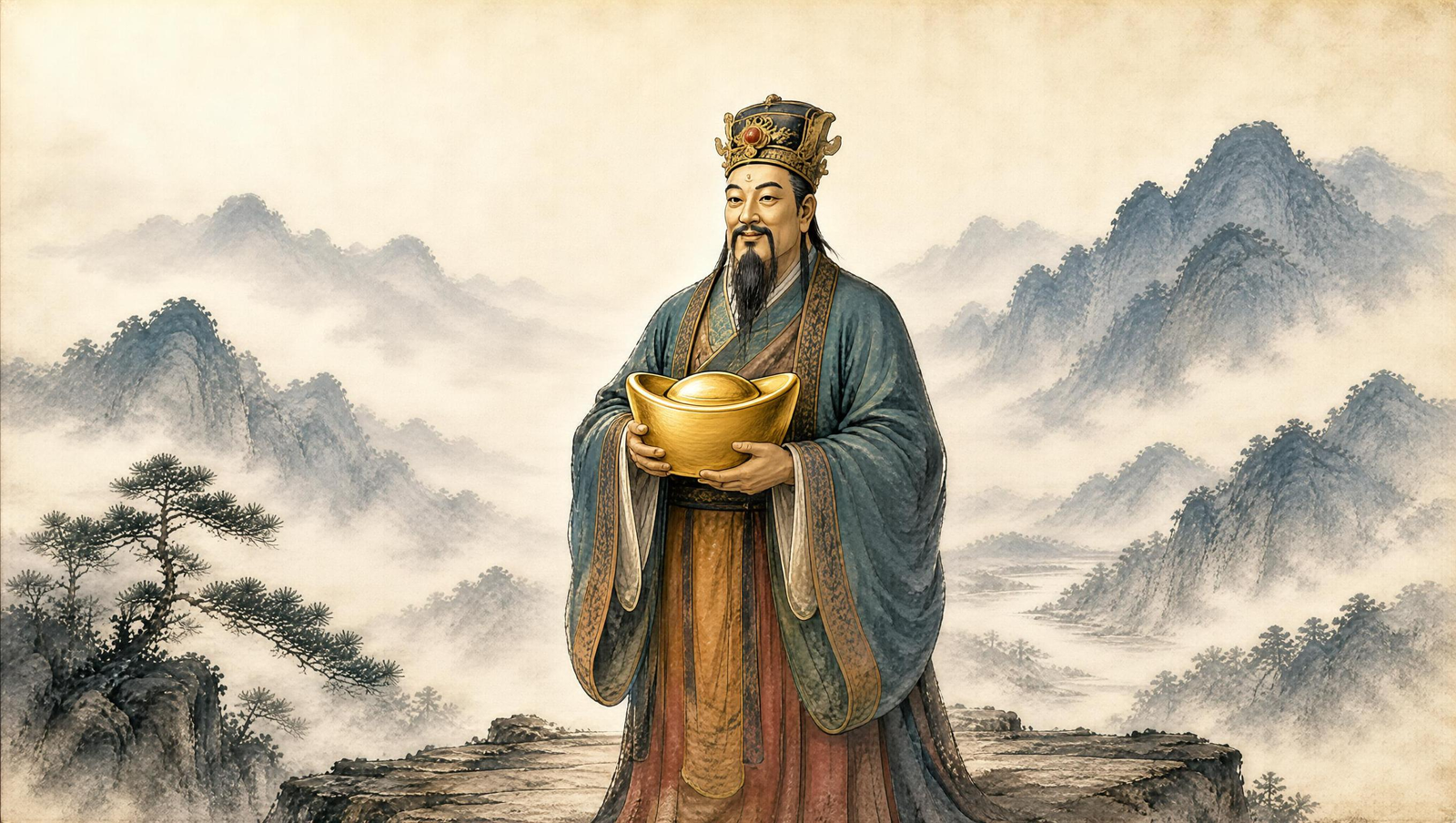
Who Wong Tai Sin is
Wong Tai Sin (黃大仙, "Yellow Great Immortal") is a Taoist deity of healing, mercy, and good fortune, worshipped most famously at Sik Sik Yuen in Hong Kong, where millions of devotees pray for health, prosperity, and protection each year. Unlike the high gods of the celestial bureaucracy, Wong Tai Sin began as a man—a Tang-dynasty herbalist and philanthropist named Huang Chuping who, according to legend, attained immortality through Taoist cultivation. The temple's own history, published by Sik Sik Yuen source, traces his worship in Hong Kong to the late nineteenth century.
The legend behind the name
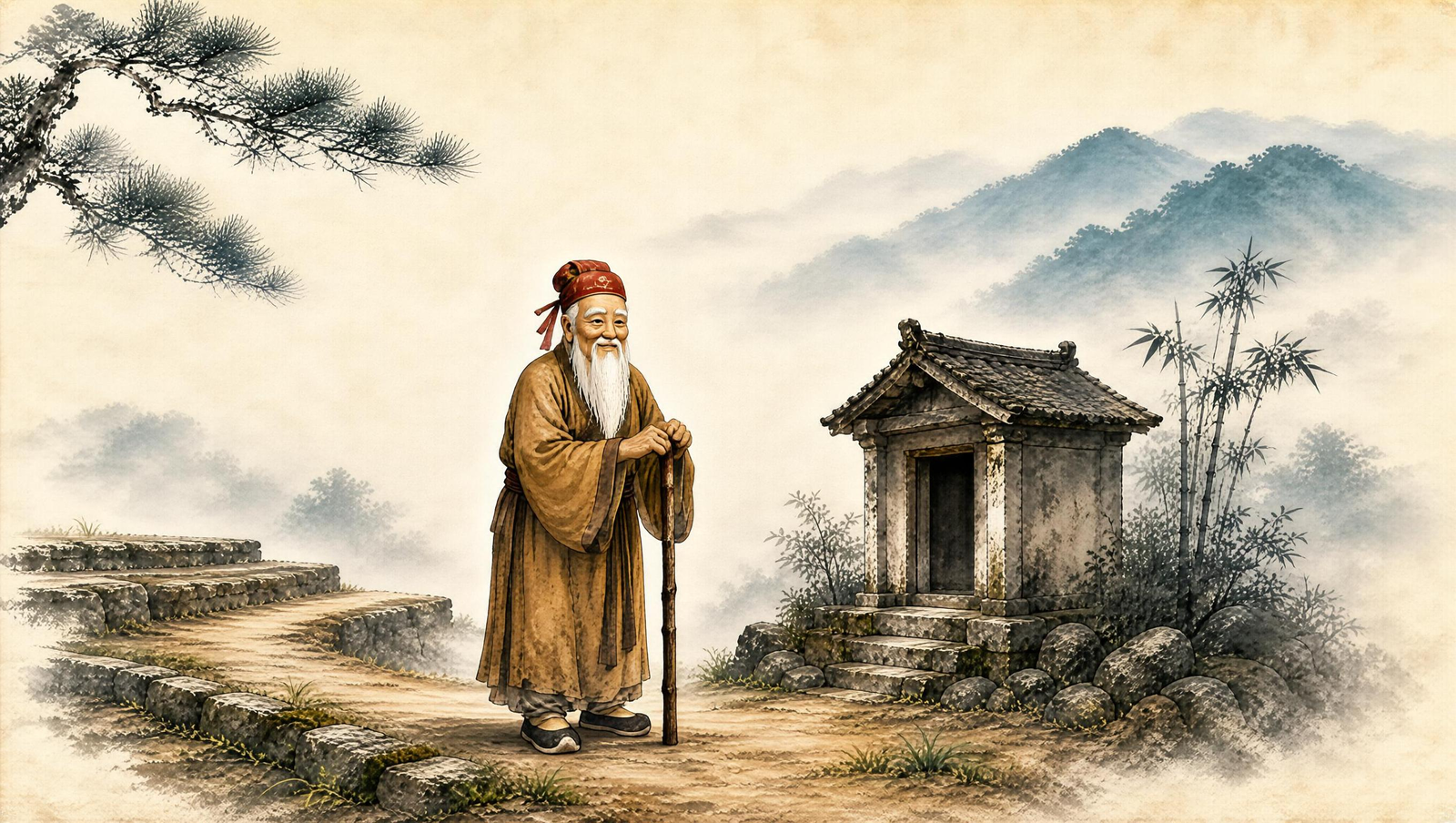
The story told at Sik Sik Yuen is that Huang Chuping met a Taoist master as a boy tending sheep, then spent forty years in mountain seclusion practicing the Way. When his brother finally found him, the sheep had vanished—until Huang clapped his hands and the scattered rocks rose up as a flock of sheep again, proving his command over transformation. From that miracle he became known as the "Yellow Immortal." The Hong Kong Taoist Association records Wong Tai Sin among the local deities whose cult grew through healing and charitable works source.
Sik Sik Yuen and the Hong Kong temple
Sik Sik Yuen ("the garden that gives abundantly") is the charitable organization that tends the Wong Tai Sin Temple in Kowloon. Founded in 1921, it runs the shrine, a free clinic, schools, and elderly-care services—embodying the Taoist ideal that a deity's blessing flows through concrete good works. The temple's main hall enshrines Wong Tai Sin alongside the Three Pure Ones and the Jade Emperor, placing a beloved local immortal within the full Taoist pantheon. Taoism.net's overview of popular Taoism describes the temple as one of the busiest pilgrimage sites in the city source.
One temple, three traditions
A distinctive feature of the Wong Tai Sin Temple is that it openly houses Taoist, Buddhist, and Confucian halls under one roof, reflecting the syncretic habit of Chinese folk religion: devotees move freely between them without seeing a contradiction. This openness is part of the deity's appeal—he is approached as a helper who does not police a seeker's sectarian loyalty. The arrangement also mirrors the temple's social mission, where ritual, moral teaching, and medical care are treated as one continuous act of compassion rather than separate departments.
What devotees pray for
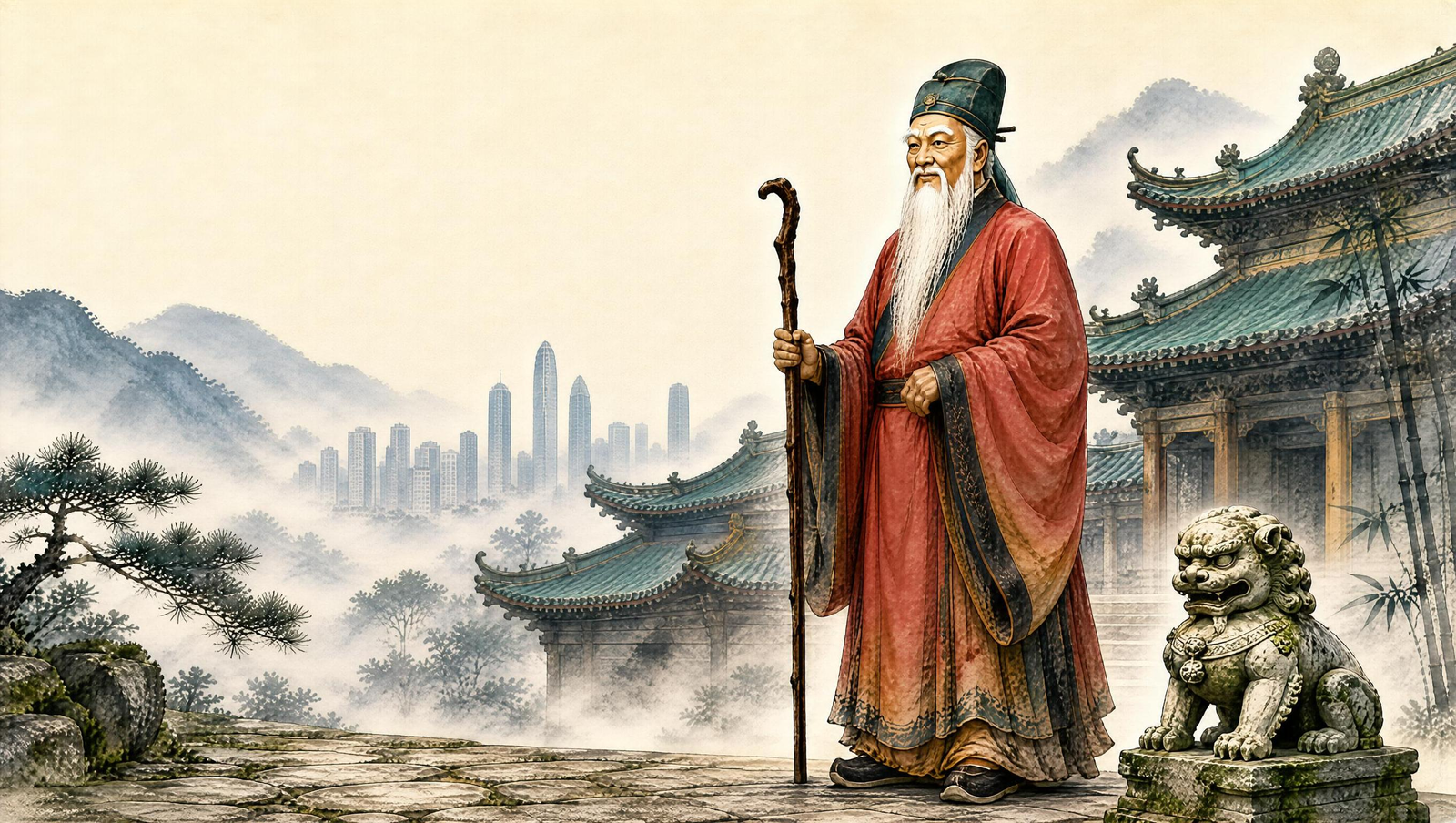
Visitors typically offer incense, shake a bamboo fortune stick (kau cim), and receive a slip of paper with a poem to be interpreted by a temple scholar. The requests are earthly and practical: recovery from illness, a harmonious family, a passing exam, a new job, relief from debt. Wong Tai Sin's appeal is precisely his closeness to daily life—he is a god who helps with the things ordinary people worry about, which is why his red-robed image and the phrase "widely efficacious" (有求必應) define the experience. On the first and fifteenth of each lunar month the queues lengthen, and at Chinese New Year the temple receives hundreds of thousands of worshippers in a few days.
How to visit and what to expect
The temple sits in the Wong Tai Sin district of Kowloon, a short walk from the MTR station of the same name, and entry to the public courtyards is free. Expect clouds of incense smoke, the constant click of fortune sticks, and a calm, businesslike devotion rather than solemn silence. Many visitors write their wish on a small paper and tie it to a rack, then make a small donation for the interpretation of their slip. The adjacent Sik Sik Yuen library and garden offer a quieter space to reflect on the Taoist values—healing, frugality, and service—that the deity represents.
Wong Tai Sin in the Taoist pantheon
Wong Tai Sin sits comfortably inside Taoism's open, layered hierarchy: a realized human who joined the ranks of the immortals, served beneath the Jade Emperor and the Three Pure Ones, yet remained approachable to the common devotee. He is best understood alongside other protective deities such as Mazu, the goddess of the sea, and within the lineage context of Taishang Laojun, the deified Laozi. His cult shows Taoism's genius for honoring both the cosmic and the personal at once.
Weekly wisdom, straight to your inbox
Essays, seasonal guidance, and energy insights - one letter a week, no noise.
DaoMind Pro
Read your own chart
Generate your full Ba Zi chart and elemental balance - the same data a practitioner opens with.
Open Destiny Atlas →