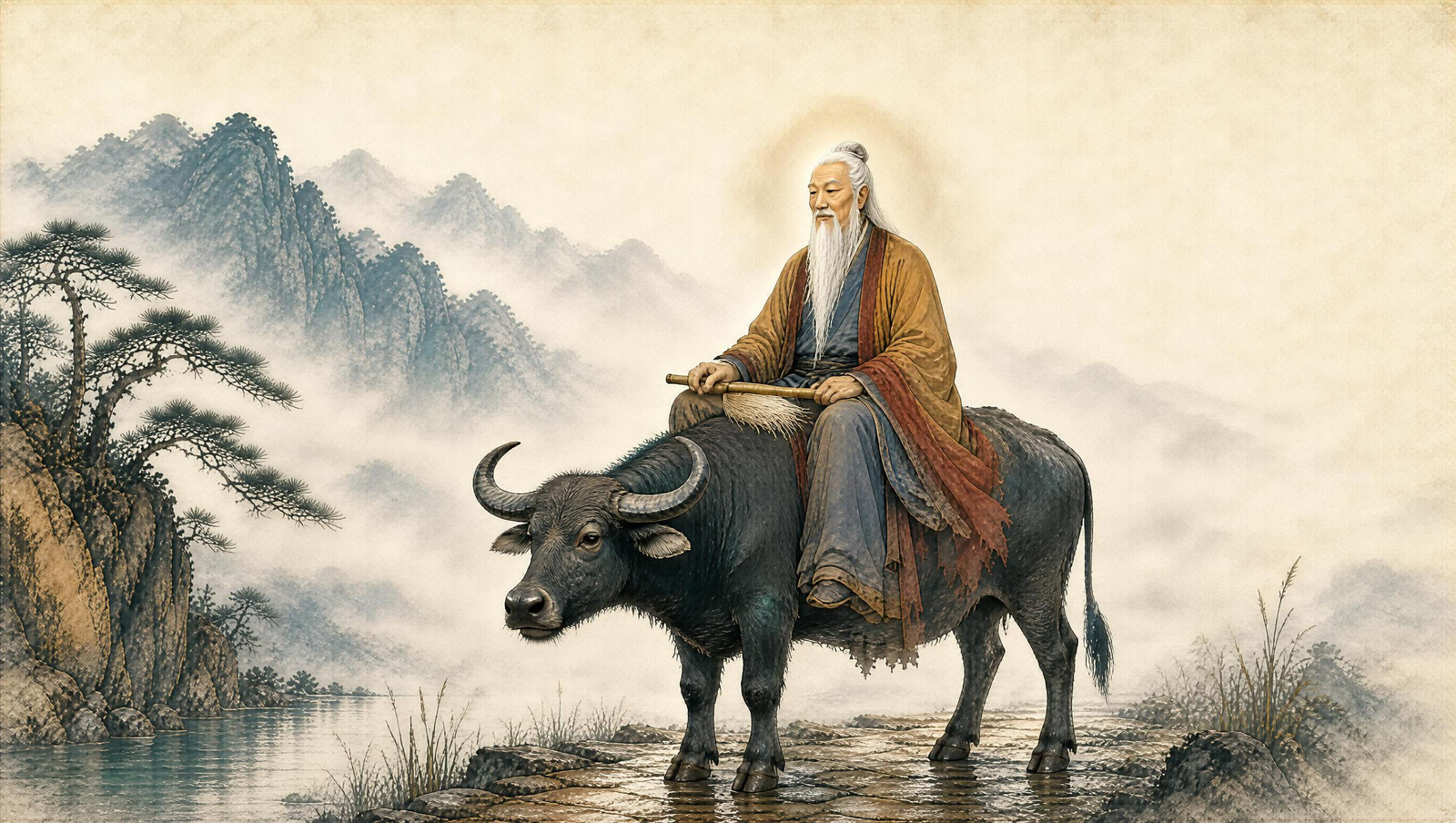
Who is Taishang Laojun
Taishang Laojun (太上老君, "Supreme Old Lord") is the high Taoist deity who is the deified form of Laozi, the sage credited with authoring the Tao Te Ching. In the developed Taoist pantheon he is identified with Daode Tianzun (the Celestial Worthy of the Tao and Its Power), the third of the Three Pure Ones (Sanqing). Where the historical Laozi is a teacher, Taishang Laojun is the eternal, cosmic personification of the Tao's teaching — the one who descends through the ages to reveal scripture.
From sage to god
The transformation of Laozi into a god is a long arc. The man — traditionally said to have lived in the 6th century BCE and to have dictated the Tao Te Ching at the Han Valley Pass — was first honored as a philosopher. By the 2nd century CE, with the rise of organized Taoist religion, he was recast as a celestial revealer: the Lord who appeared to Zhang Daoling to found the Celestial Masters (Tianshi) movement in 142 CE, the lineage root of the Zhengyi tradition our own temple belongs to. Later devotional currents, including the Tang imperial cult, made him the high ancestor of the ruling house.
The Chinese Academy of Social Sciences' Institute of World Religions describes this arc as the classic case of a textual sage becoming a liturgical deity within a revealed religion (source, its publications remain the standard Chinese-language scholarly reference on the process). The Stanford Encyclopedia of Philosophy frames the same figure primarily through his philosophical writings while noting the religious development.
Where he sits in the pantheon
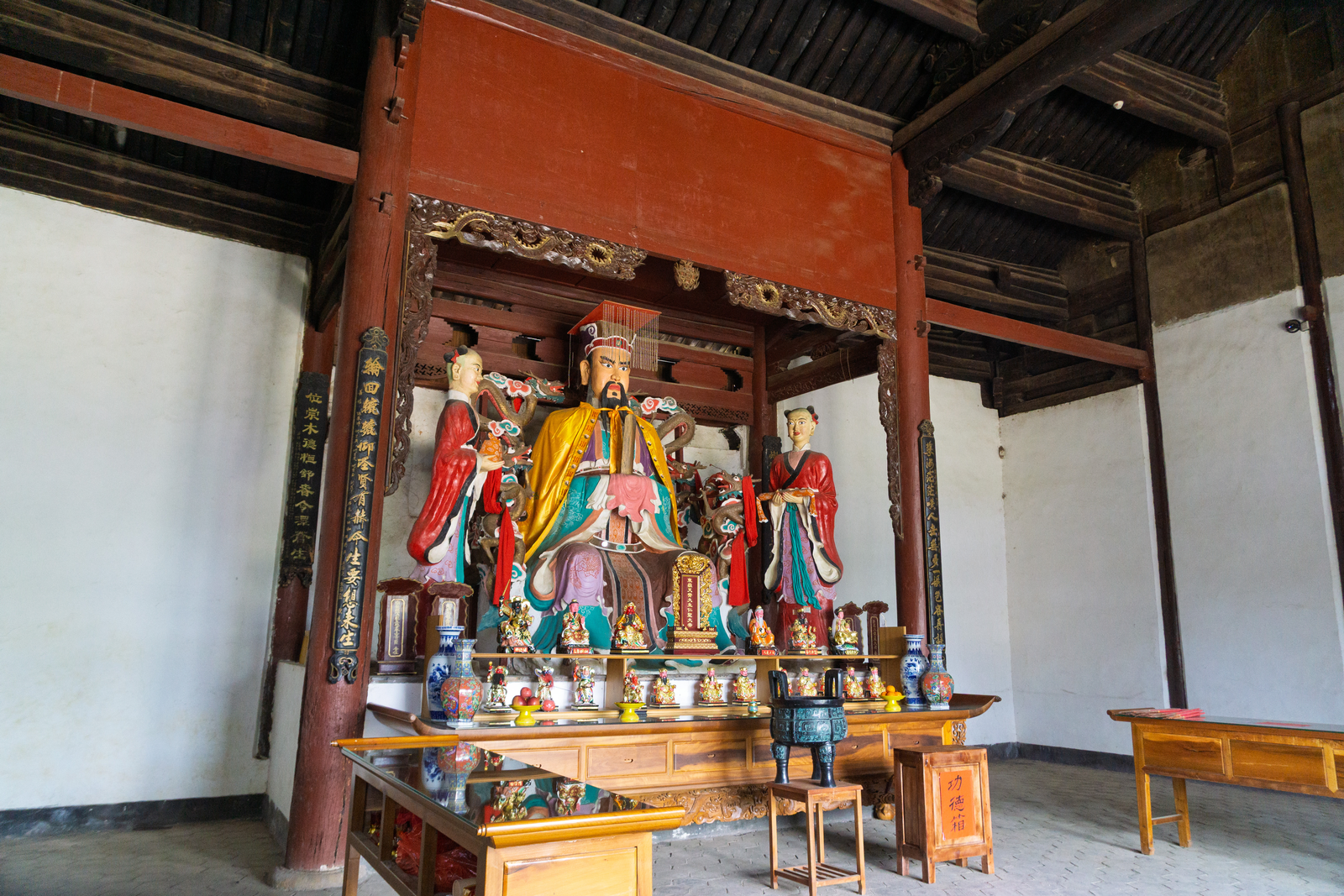
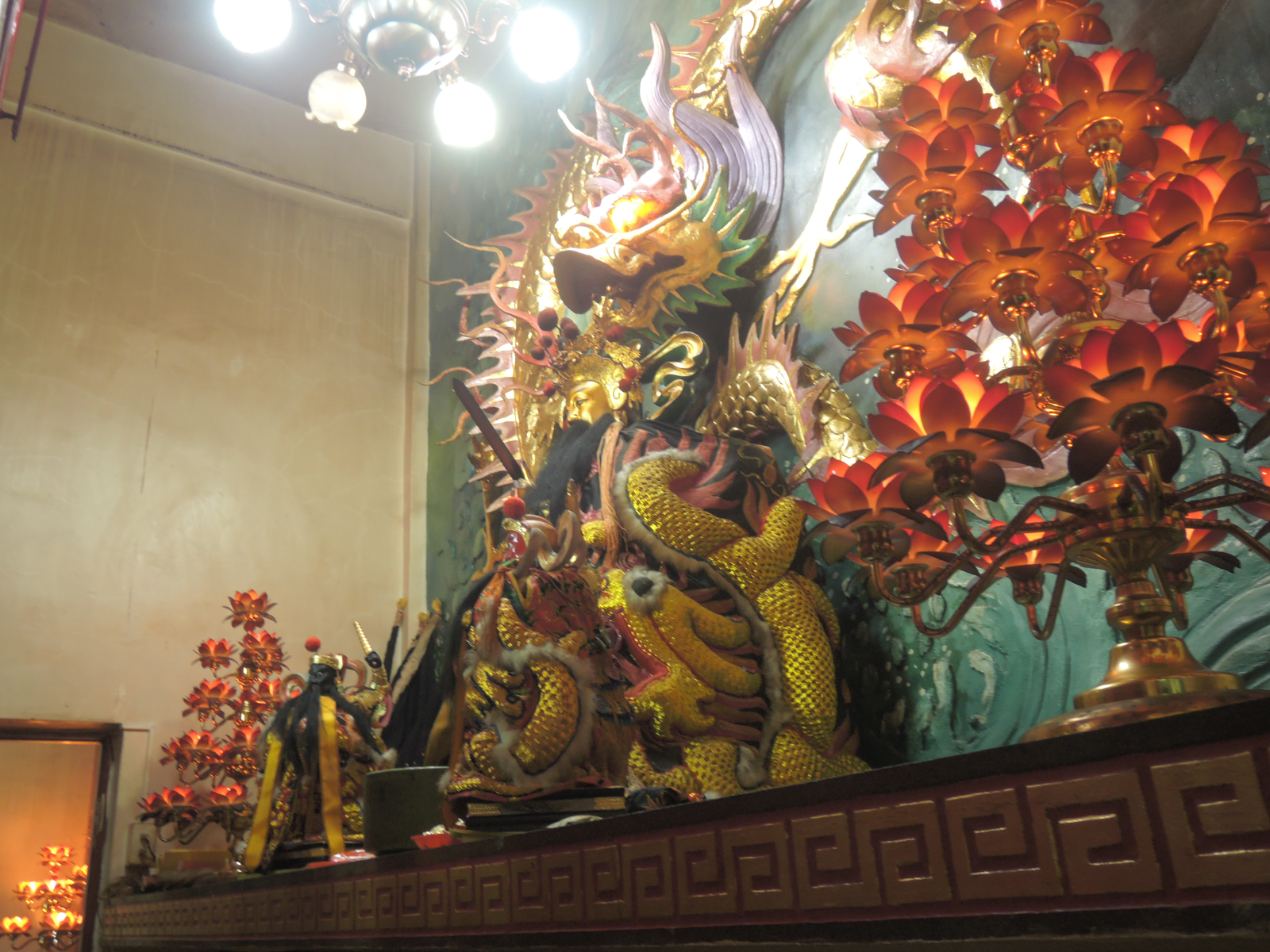
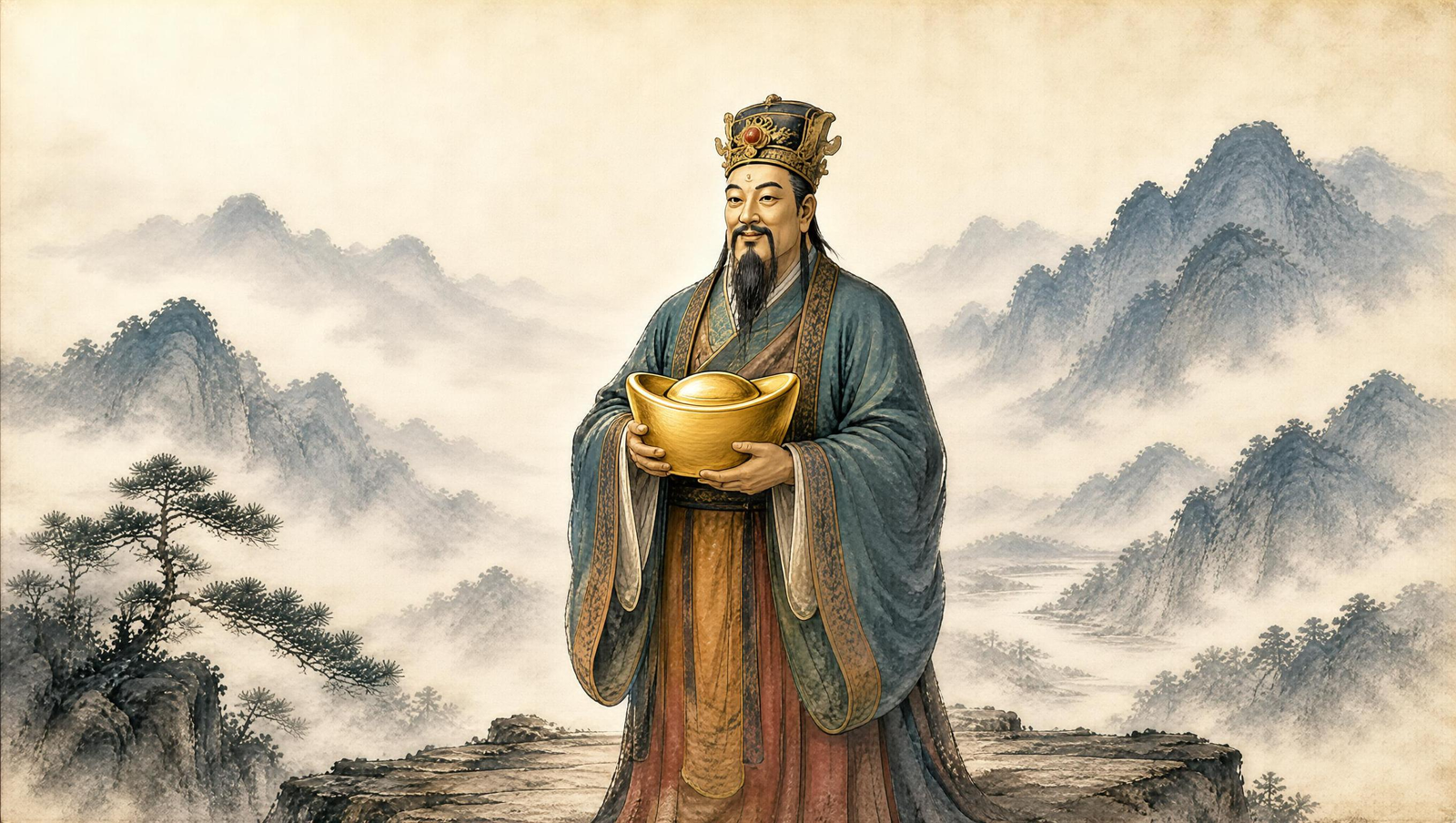
Among the Three Pure Ones — Yuanshi Tianzun, Lingbao Tianzun, and Daode Tianzun (Taishang Laojun) — he is the one most directly tied to scripture and teaching. Worshippers approach him for wisdom, protection, and the transmission of Taoist law. Major temples enshrine the three at their heart, and Taishang Laojun's image — an old man with a white beard holding the Tao Te Ching — is among the most recognizable in all of Chinese religion.
His birthday, observed on the second day of the second lunar month, draws large temple gatherings where priests chant his scripture and lay devotees make offerings for the year ahead. In household shrines he often appears flanked by the other two Pure Ones — a visual reminder that the Tao's teaching, power, and origin are three faces of a single source.
For the pantheon context, see Who are the Three Pure Ones?. Our full guide The Tao Te Ching, explained unpacks the book he is said to have dictated.
Scriptures and revelation
As the revealer-deity, Taishang Laojun is credited with dictating key scriptures across the ages — most famously the Tao Te Ching at the Han Valley Pass, but also the Zhengyi Covenantal Authority and numerous later revealed texts. Taoist liturgy treats these not as human compositions but as the Lord's descending speech, preserved and transmitted through ordained masters. This revealed status is what distinguishes him from a mere philosopher: the words carry ritual power, not only argument. Devotees recite his scriptures for protection, purification, and alignment with the Tao's ordering of the cosmos.
Why he matters today
Taishang Laojun matters because he holds together the two halves of Taoism that outsiders often split: the philosophy and the religion. The same force that speaks through the Tao Te Ching's paradoxes also sits, veiled in incense smoke, receiving the prayers of ordinary people. To honor him is to honor the teaching as a living thing — not a museum text but a voice that, the tradition insists, keeps speaking across the centuries to anyone willing to listen, whether they come as philosophers or as supplicants.
每週智慧,直送你的電郵
隨筆、時令指引與能量洞察——每週一信,絕無雜訊。