The first thing a Daoist art commission loses is the assumption that you are buying a picture. What you are actually commissioning is a sequence of decisions — who the figure is, which lineage's iconography applies, what the piece is for, and where it will hang. A painting made without those answers is decorative, and decoration is not what a temple wall or a home altar needs.
What the museum asks for before anything is drawn
A Daoist art commission starts with a written brief, and the brief is where most requests either succeed or quietly stall. Four items are needed before a brush moves:
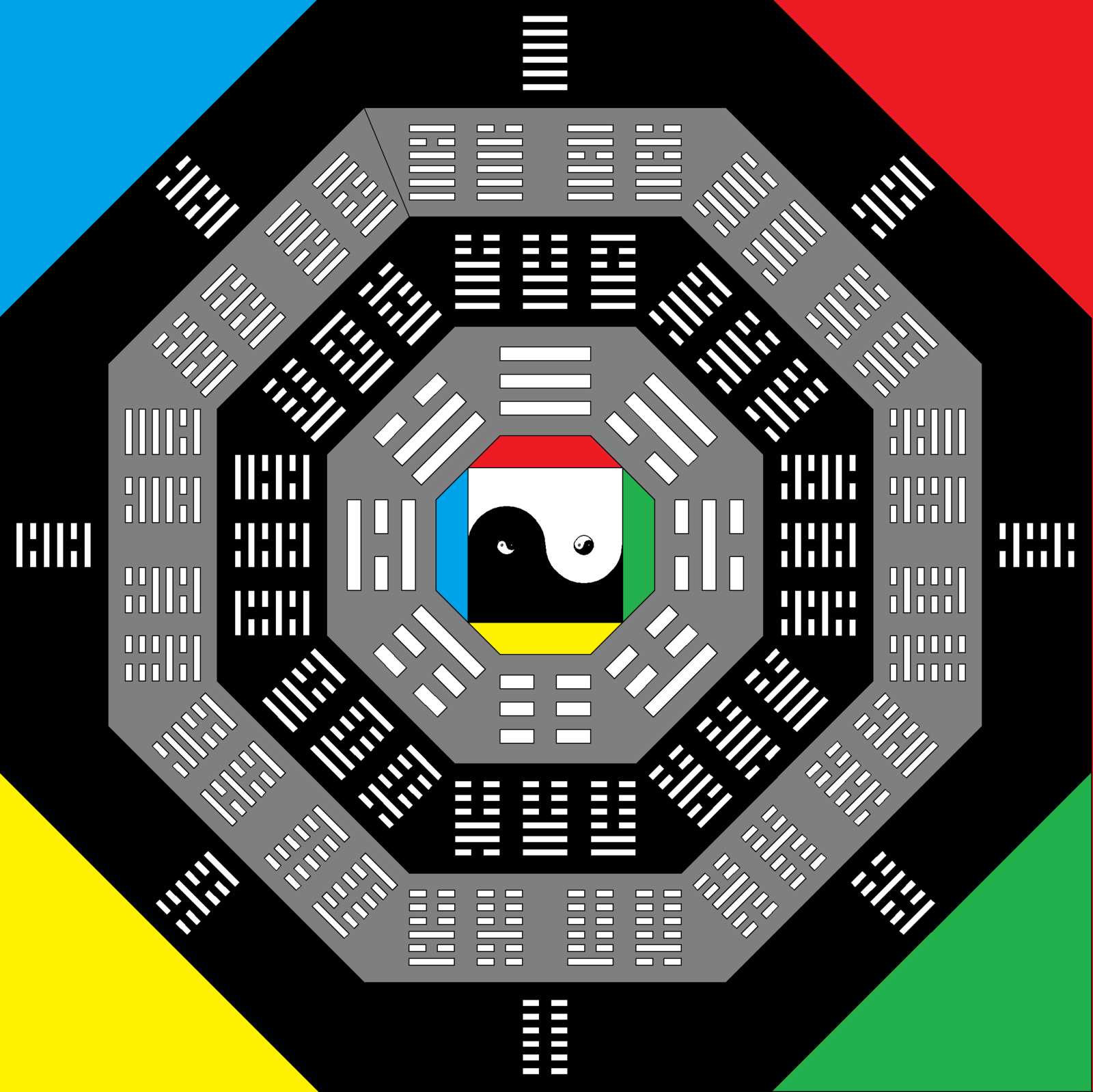
- The subject. A named deity with a lineage, a motif such as the eight trigrams, or a scene from a classical text. "Something protective" is not a subject.
- The wall. Height, width, and what is beside it. A piece hung above an altar is composed differently from one on a study wall.
- The purpose. Devotional, commemorative, or purely architectural. Purpose decides formality.
- The occasion. A consecration date, an anniversary, an opening. Dates determine whether a piece is feasible at all.
Requests come in through booking, and the museum replies with either a brief template or a list of what is still missing. Nothing is quoted until the brief is complete.
Iconography is verified, not invented
The second stage is the part clients underestimate. Daoist iconography is not free illustration. A Zhengyi lineage painting of a protective deity carries specific attributes: the number of arms, the colour of the robe, the object held, the seal or talisman that appears on the border.
The museum checks a proposed design against three references — the household's or temple's own tradition first, then published canonical descriptions, then comparable historical pieces in public collections. Where a reference is thin, the piece is marked as a modern interpretation rather than presented as traditional. That distinction matters: an heirloom is copied, a new work is documented.
Photographs of comparable objects held in public collections are a useful starting point for this check. Our collection guide explains how to read a censer, seal or robe so that you can describe what you already have before commissioning something to match it.
Timeline, quote, and what the studio will not do
Once the brief and the iconography pass, the museum issues a quote with a timeline. Typical ranges:
| Piece | Lead time | Notes |
|---|---|---|
| Small ink work, single figure | 4–8 weeks | Studio work, no consecration |
| Large hanging scroll, full iconography | 3–6 months | Includes colour grinding and mounting |
| Altar set, multiple panels | 6–12 months | Staged delivery, first panel reviewed before the rest |
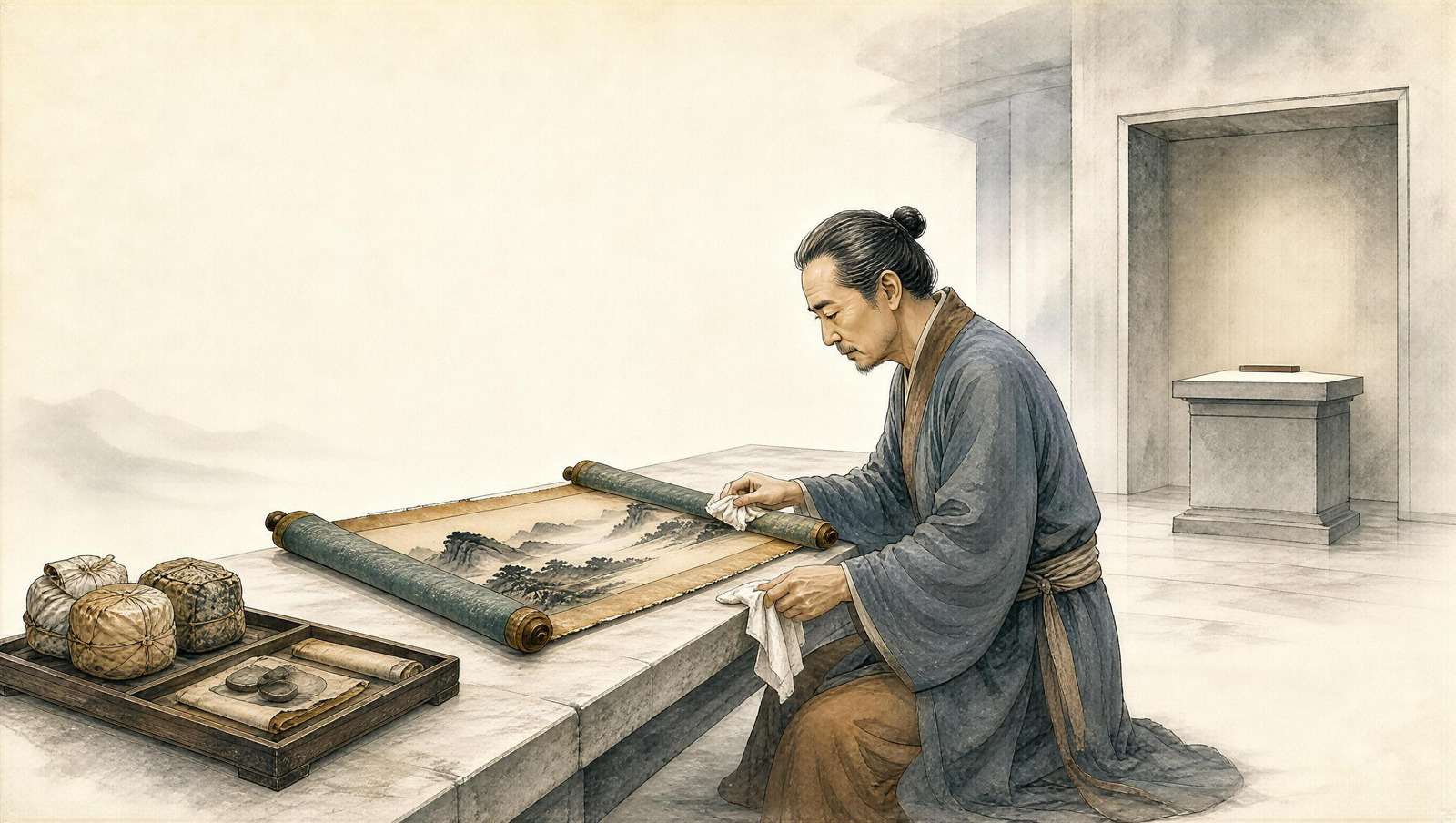
| Restoration of an existing piece | 8–16 weeks | Condition report first, then scope |
Two refusals are standard. The museum will not copy a living artist's work, and it will not produce a piece whose iconography would misrepresent a lineage it does not belong to. Both rules exist for the same reason: a religious object carries a claim, and the studio is accountable for the claim it signs.
Payment is staged — a deposit at brief approval, a second installment at design sign-off, the balance on delivery. Members with a Pro reading package have their consultative hours applied to the brief stage, which shortens the front end considerably.
How a Daoist art commission differs from ordering a print
People ask why an open-edition print of the same deity costs a fraction of the price. The answer is in what is being transferred.
A print reproduces an image. A commission transfers an object made for a stated purpose, from a lineage that can be named, with the iconographic decisions recorded. For a hallway or an office, a print is often the right call, and there is no shame in it. For an altar, a household shrine, or a piece intended for a consecration, the print is a placeholder.
If you are not sure which side of that line your project falls on, the FAQ entry on booking a consultation covers how the conversation starts, and the free tools include a short checklist of the details the museum will ask for either way.
The three questions worth answering first
Before opening a request, write down the subject by its proper name, the wall measurements to the nearest centimetre, and the date by which you need it. Those three answers turn a vague enquiry into a brief, and a brief is what the studio actually works from.
Further reading on objects themselves — how censers, seals and robes are classified — is in the collection guide, and any remaining question about the process can be raised through booking.
每週智慧,直送你的電郵
隨筆、時令指引與能量洞察——每週一信,絕無雜訊。