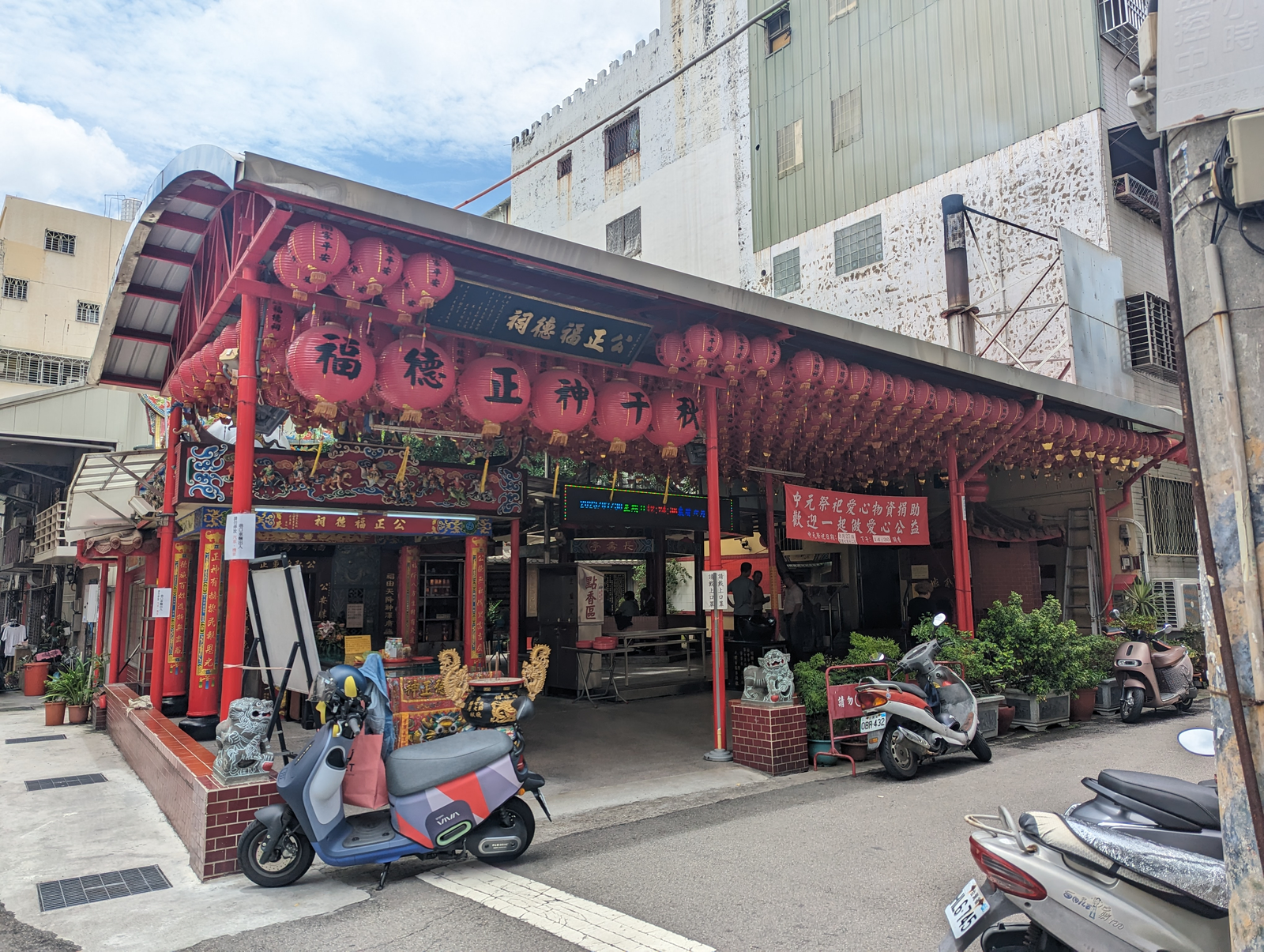
Ask someone what a temple fair is and you will usually get the second half of the answer: the food stalls, the opera stage, the toys. The first half is quieter. A taoist temple fair starts with a date on a deity's calendar, and for most of its history that date mattered more than anything sold on it.
It begins with a birthday, not a market
Temples keep a calendar of 誕, the birthdays of the deities enshrined there. Around each one sits a 香期, an incense period — a few days when worshippers are expected to come, burn, and settle accounts with the god who has watched over their year.
The Taoist Federation Singapore ends its own published history of the organisation on exactly this note: associations built by temple communities, whose public life revolved around observance rather than commerce. Read that history and the market looks like what it is — an improvised response to a crowd, not the reason the crowd gathered.
The market arrives because the crowd does
Once a few thousand people travel to the same address on the same morning, selling appears. That is the whole mechanism, and it is old enough to be unremarkable.
Three kinds of seller still dominate. Incense and paper offerings, which worshippers need and will buy on site. Food, because a pilgrimage is a full morning. And the seasonal trade in things a household replaces once a year — kitchen items, bedding, farm tools in an earlier era — which is why older descriptions of these gatherings read more like a rural trade fair than a religious service.
The stage came with the sellers. Opera, puppetry, and later film screenings were funded by the temple or by the wealthier merchant guilds in the neighbourhood, and they were staged facing the main hall. The performance was an offering, and the crowd watching it was incidental to that purpose.
What a fair actually contains
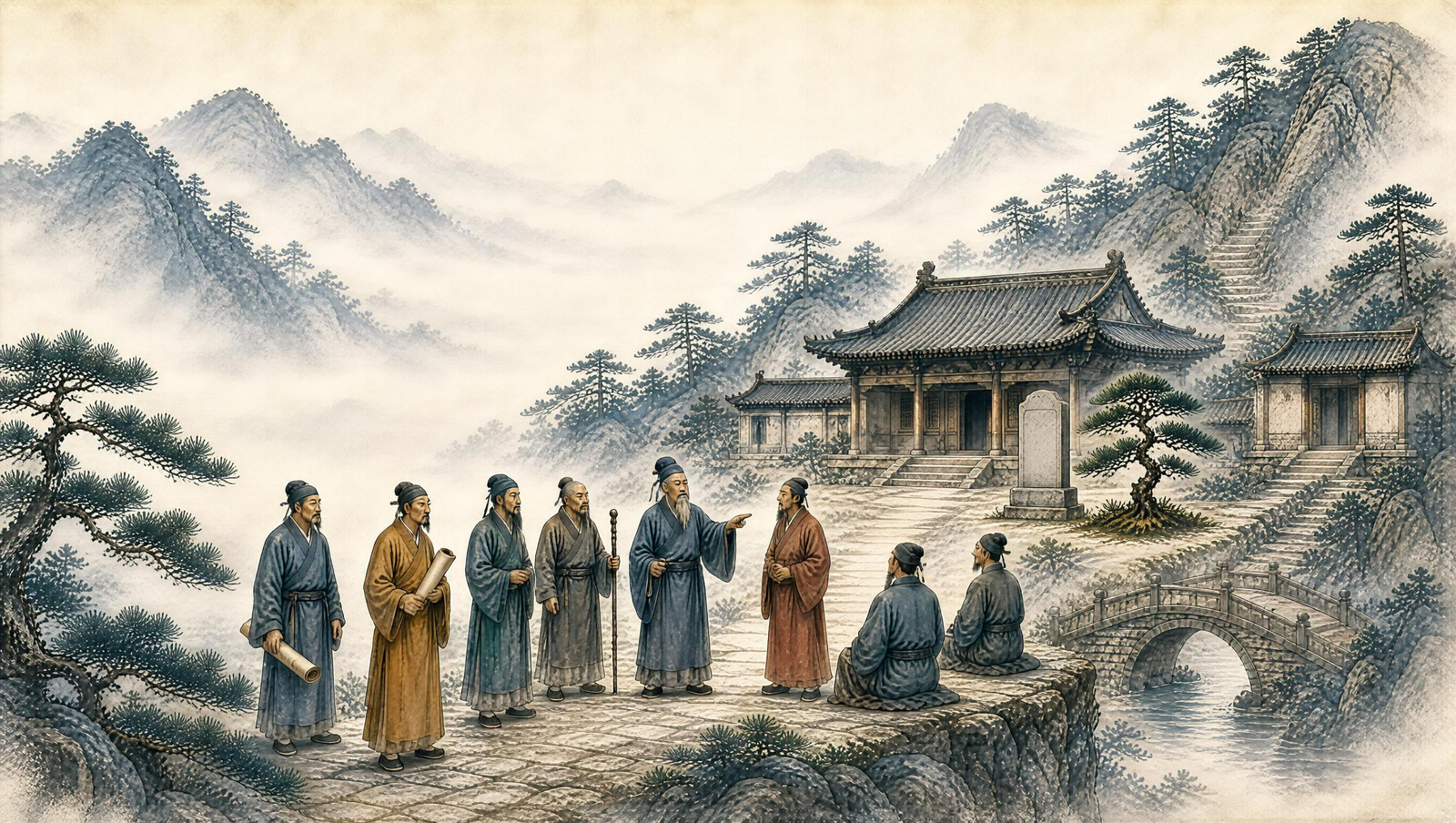
Walk through one and you pass through four zones in sequence, and the sequence is the point.
- The hall. Incense, the queue, divination blocks, the moment of contact. Most worshippers spend the shortest time here and it is the reason for everything else.
- The forecourt. Vendors of offerings, fortune-tellers, and the temple's own booth for blessings, talismans, or registrations.
- The market street. Food, household goods, cheap toys. Permits for these stalls have historically been a significant part of a temple's annual income.
- The stage and the open ground. Performance, seating, and the informal business of a community catching up on itself.
The Wong Tai Sin temple in Hong Kong, whose worshippers queue from the small hours on the first day of the lunar year, is a good modern example of the first two zones overriding the last two. There the observance has outgrown the market entirely.
The fair as a calendar
For a farming or fishing community, the fair was often the only reliable date on which distant neighbours met. That function explains details which otherwise seem arbitrary: why fairs fall on the deity's birthday rather than a convenient weekend, why the opera runs three nights, why the same families keep the same pitch year after year.
It also explains why fairs survived the twentieth century's disruptions better than almost any other traditional institution. A calendar date cannot be abolished the way a guild can. Where temples reopened, the dates resumed, and the vendors followed.
Why the model still works
Two things make the arrangement durable. The first is that it is self-funding: the crowd that observance creates is exactly the crowd a market needs, and the temple takes a share without having to organise trade itself. The second is that the religious core stays insulated. Anyone who comes only for the food still walks past the hall, and enough of them stop.
The festival cycle the fairs hang from is described in more detail in our piece on the Three Yuan festivals, and the question of who these observances were originally addressed to is covered under who founded Taoism. If you want a date checked against the traditional calendar before you travel, the temple's own 香期 notice is always the authority — and for anything personal, a consultation beats a guidebook.
每週智慧,直送你的電郵
隨筆、時令指引與能量洞察——每週一信,絕無雜訊。