The short answer
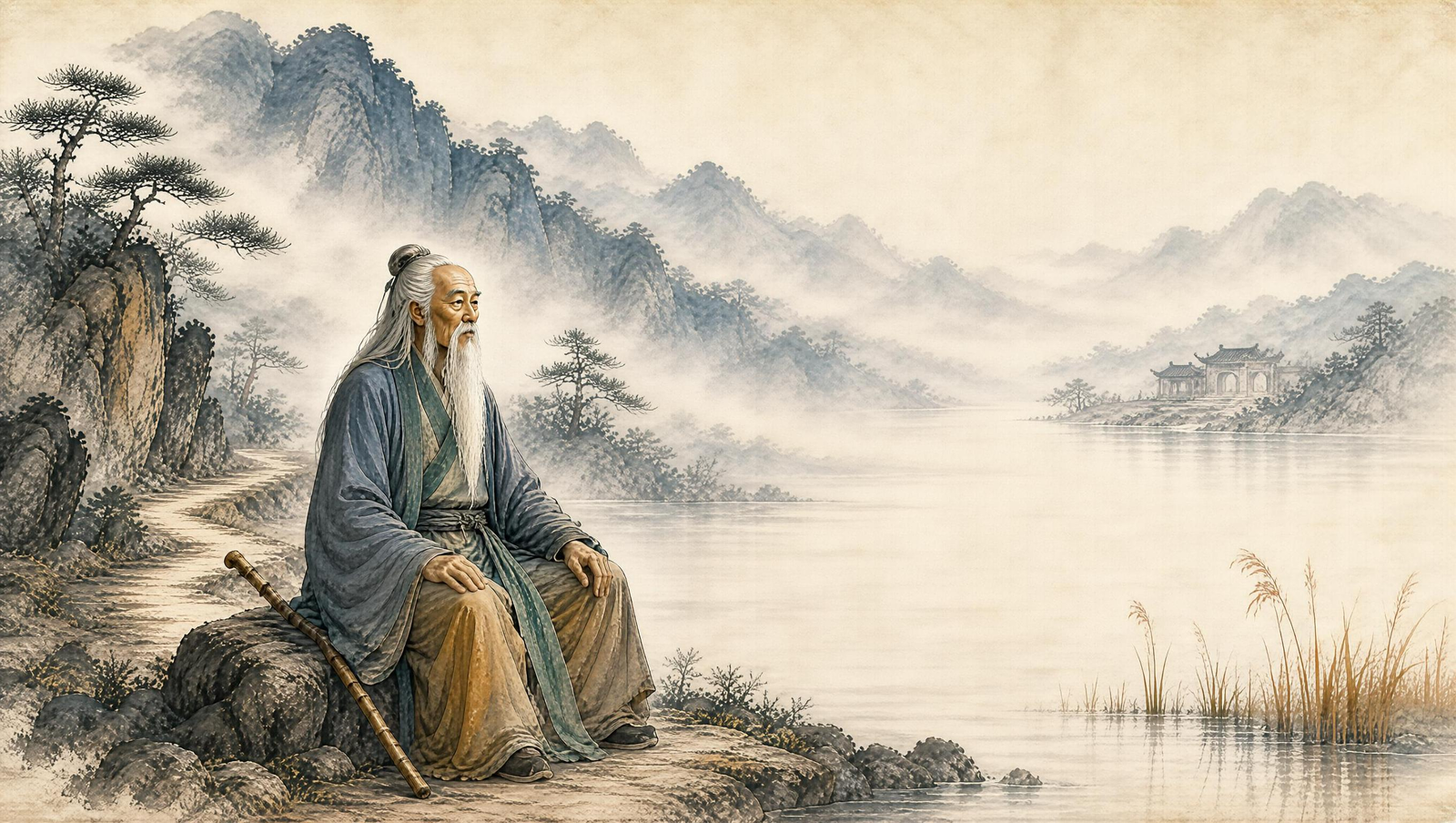
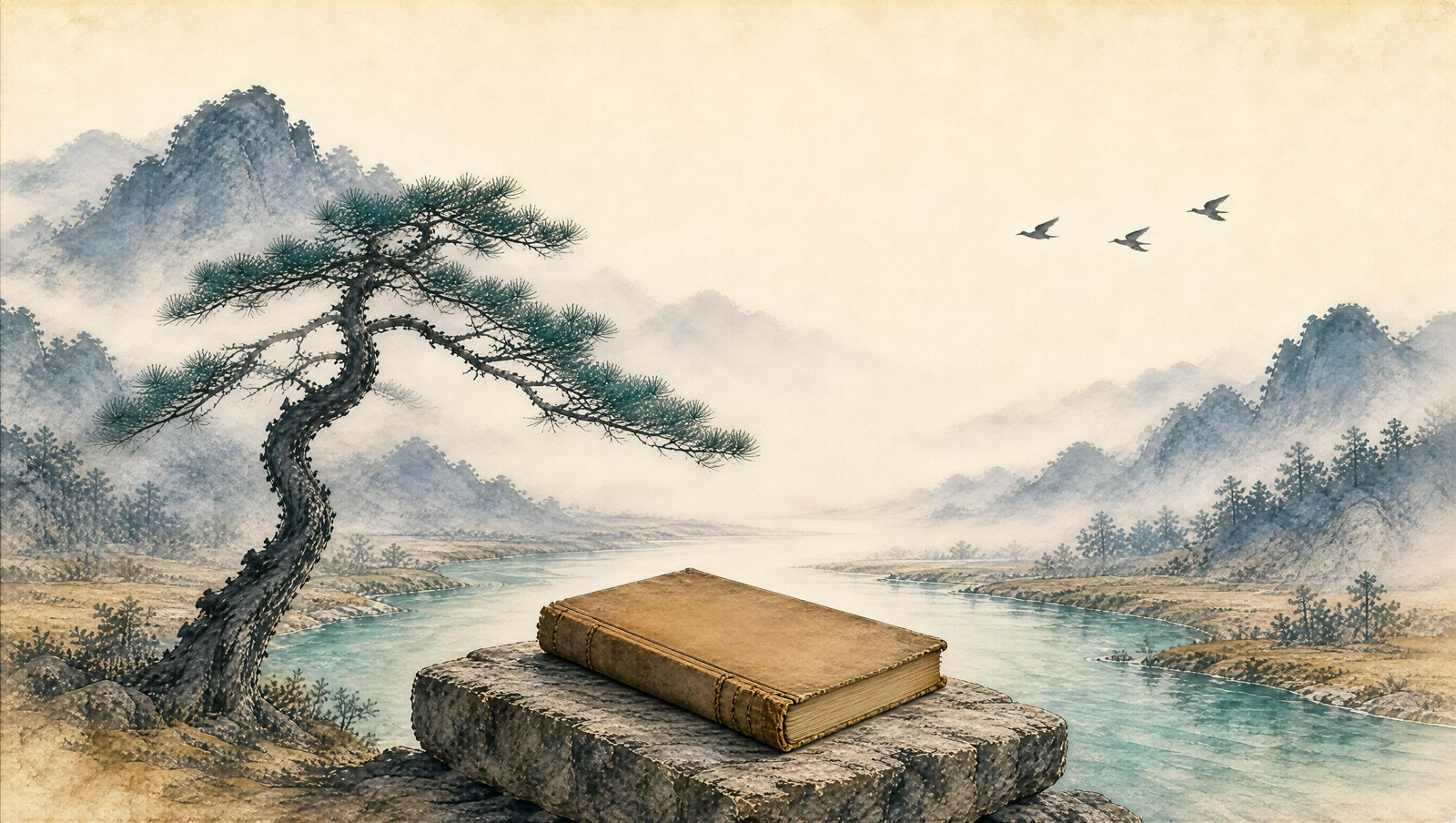
Dao and Tao Te Ching is the pairing at the heart of this essay: the Dao is the living, formless source of all things — older and deeper than any words. The Tao Te Ching is the short book traditionally attributed to Laozi that points toward the Dao without ever capturing it. The difference matters: the Dao is the reality, the Tao Te Ching is a finger pointing at the moon. Reading the book can open the door, but the book is not the room.
The Dao comes first
Before there was a scripture, there was the Dao. The Tao Te Ching itself says the namable Dao is not the eternal Dao, quietly admitting that no text can hold the whole of it. The Dao is the silent ground of existence — the pattern by which rivers flow downhill and seasons turn. As the Internet Encyclopedia of Philosophy frames it, the Dao is both the cosmos's origin and the "way" things spontaneously move (IEP, Taoism). A book can describe this; it cannot be it.
What the Tao Te Ching actually is
The Tao Te Ching (道德經, "Scripture of the Way and its Power") is a collection of about eighty-one short chapters in verse and aphorism, probably assembled in the third century BCE from older sayings. The Chinese Text Project makes the earliest received text freely readable online, showing how compact and layered the original is (Chinese Text Project). It is less a sermon than a set of paradoxes: yield and you win, know emptiness and you are full, do nothing and nothing is left undone.
Why the book is not the Dao
This is the part beginners miss. Because the Dao cannot be spoken, the Tao Te Ching works by indirection — it uses poetry and contradiction to push the reader past concepts into experience. Treat the book as a rulebook and you have already left the Dao behind, since the Dao is precisely what no rule can contain. The Chinese Religious Text Authority, which catalogs classical Taoist works, treats the Tao Te Ching as one pillar among many scriptures rather than the whole of the tradition (Chinese Religious Text Authority). The deeper canon, the Daozang, runs to nearly fifteen hundred works.
How to read it without getting stuck
Three habits help. First, read a chapter, then sit quietly — let the paradox do its work instead of rushing to explain it. Second, prefer the body over the commentary: the text tells you to soften, empty, and wait; doing that teaches more than any footnote. Third, remember the finger-and-moon image: when you feel a moment of unforced clarity, that is the Dao, and the book was only the pointer. Our full guide to the Tao Te Ching walks the chapters one by one.
Laozi, the man behind the book
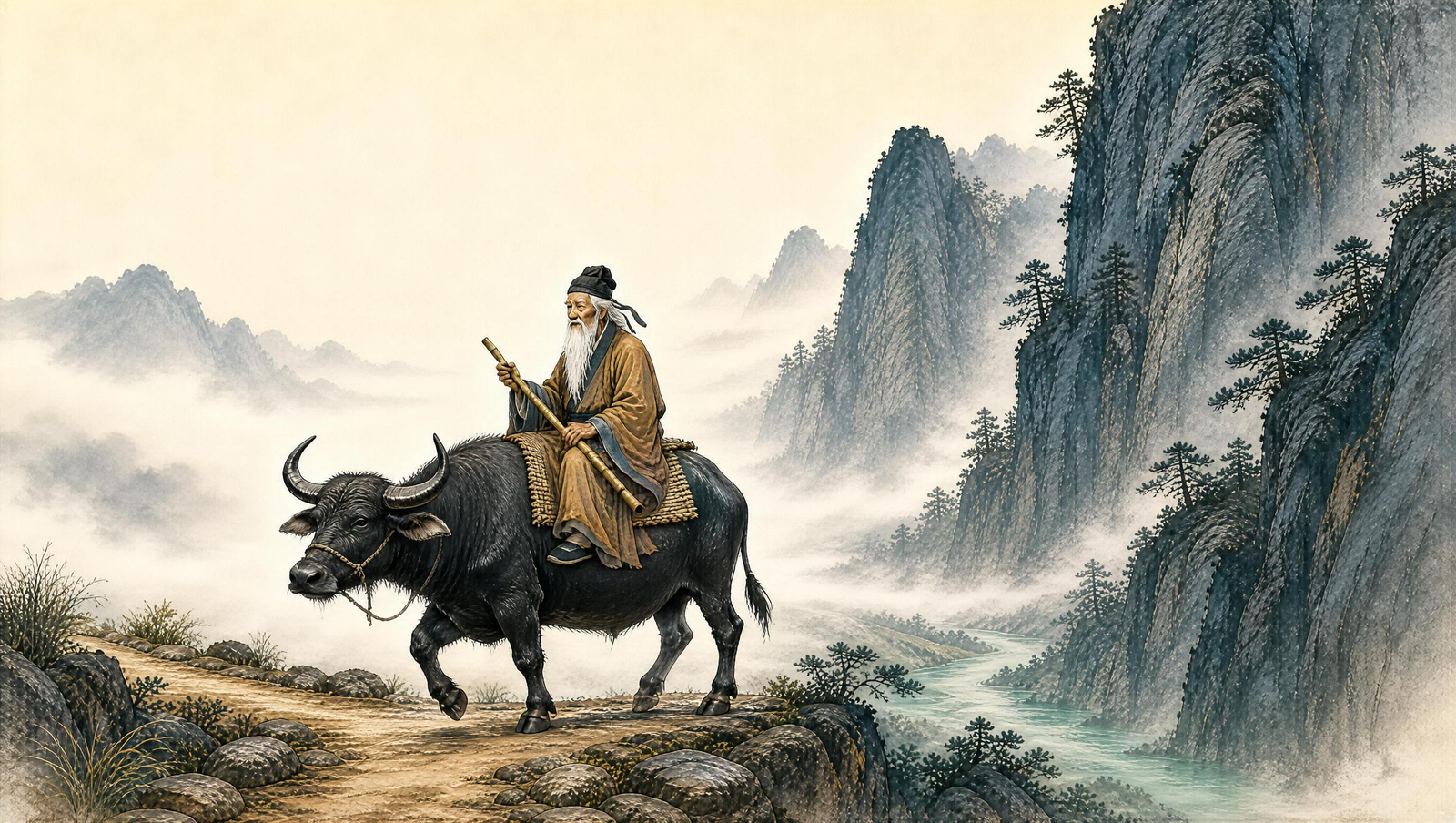
Tradition names Laozi ("the Old Master") as the author who, at the end of his life, was asked by a border guardian to write down his teaching and so produced the Tao Te Ching. Whether one person wrote it or many voices shaped it, the figure of Laozi became the honored founder of philosophical Taoism. See Laozi and the Tao Te Ching for the story, and Who founded Taoism? for how the religious tradition began. His single slim book shaped two millennia of Chinese thought, yet it always points beyond itself back to the silence it describes.
Closing takeaway
The Dao is the living Way; the Tao Te Ching is the best-known signpost toward it. For the scripture list and where to begin, read What are the main scriptures of Taoism?, then open the Tao Te Ching guide.
Weekly wisdom, straight to your inbox
Essays, seasonal guidance, and energy insights - one letter a week, no noise.
DaoMind Pro
Read your own chart
Generate your full Ba Zi chart and elemental balance - the same data a practitioner opens with.
Open Destiny Atlas →