The short answer
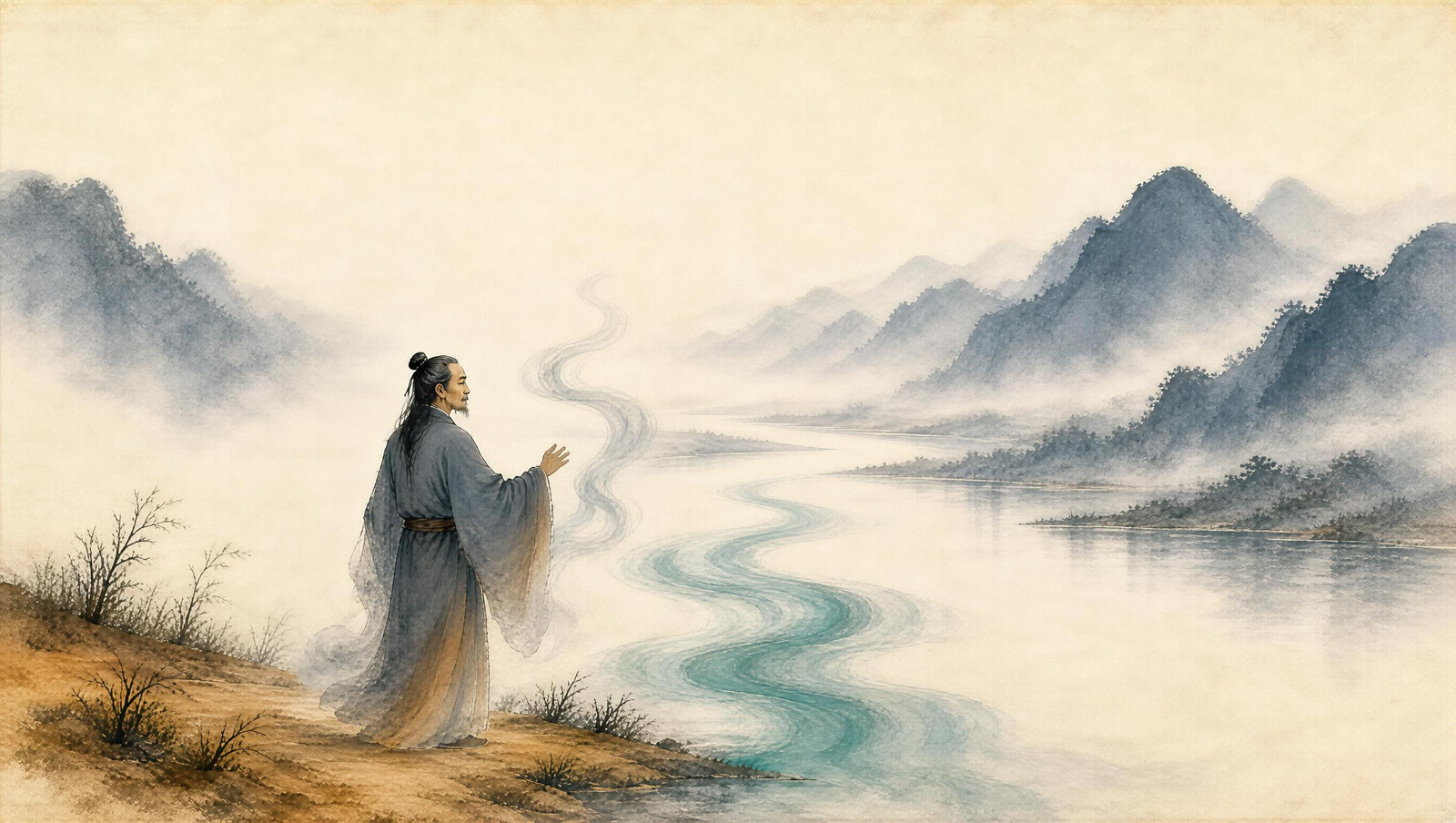
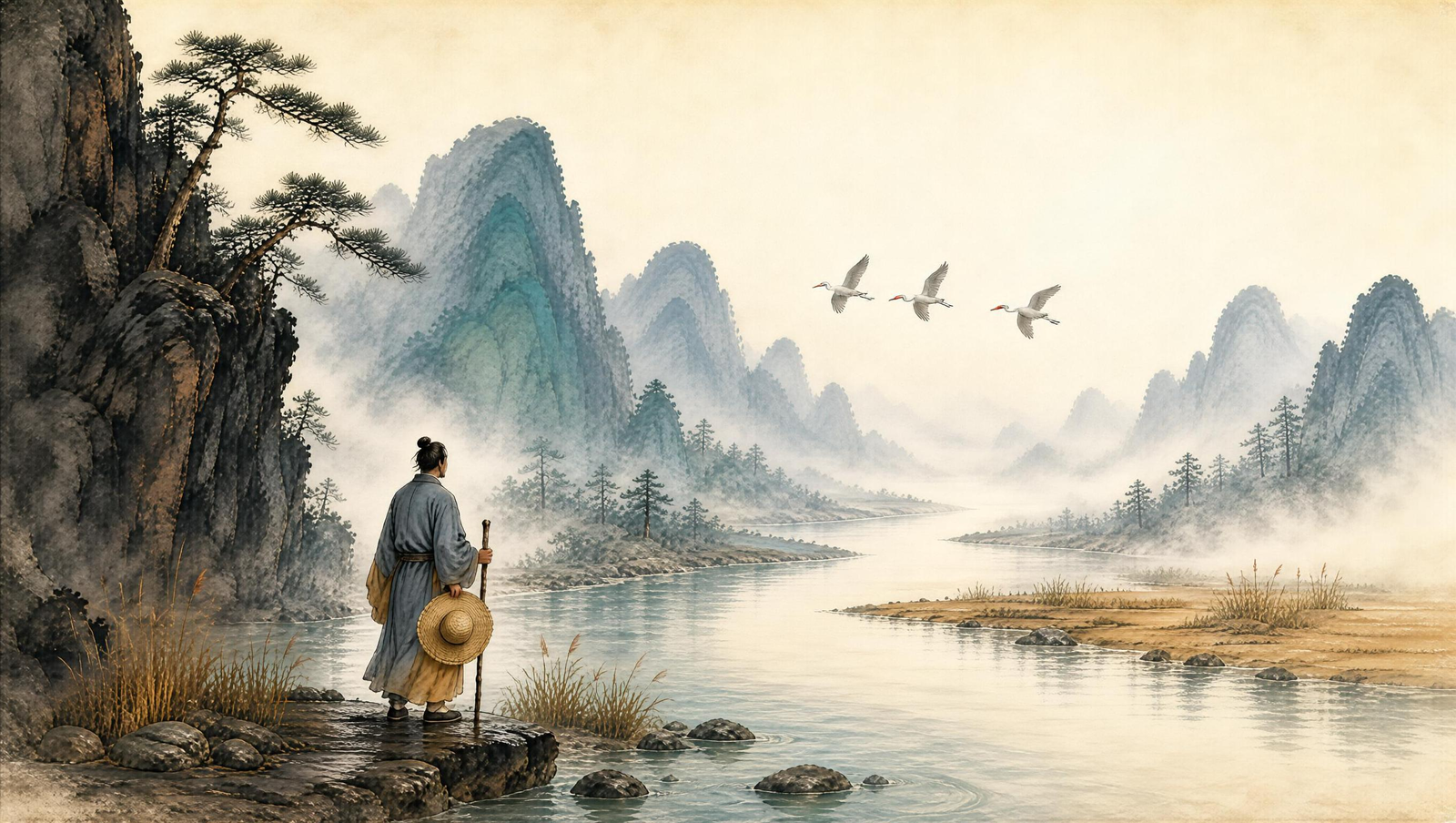
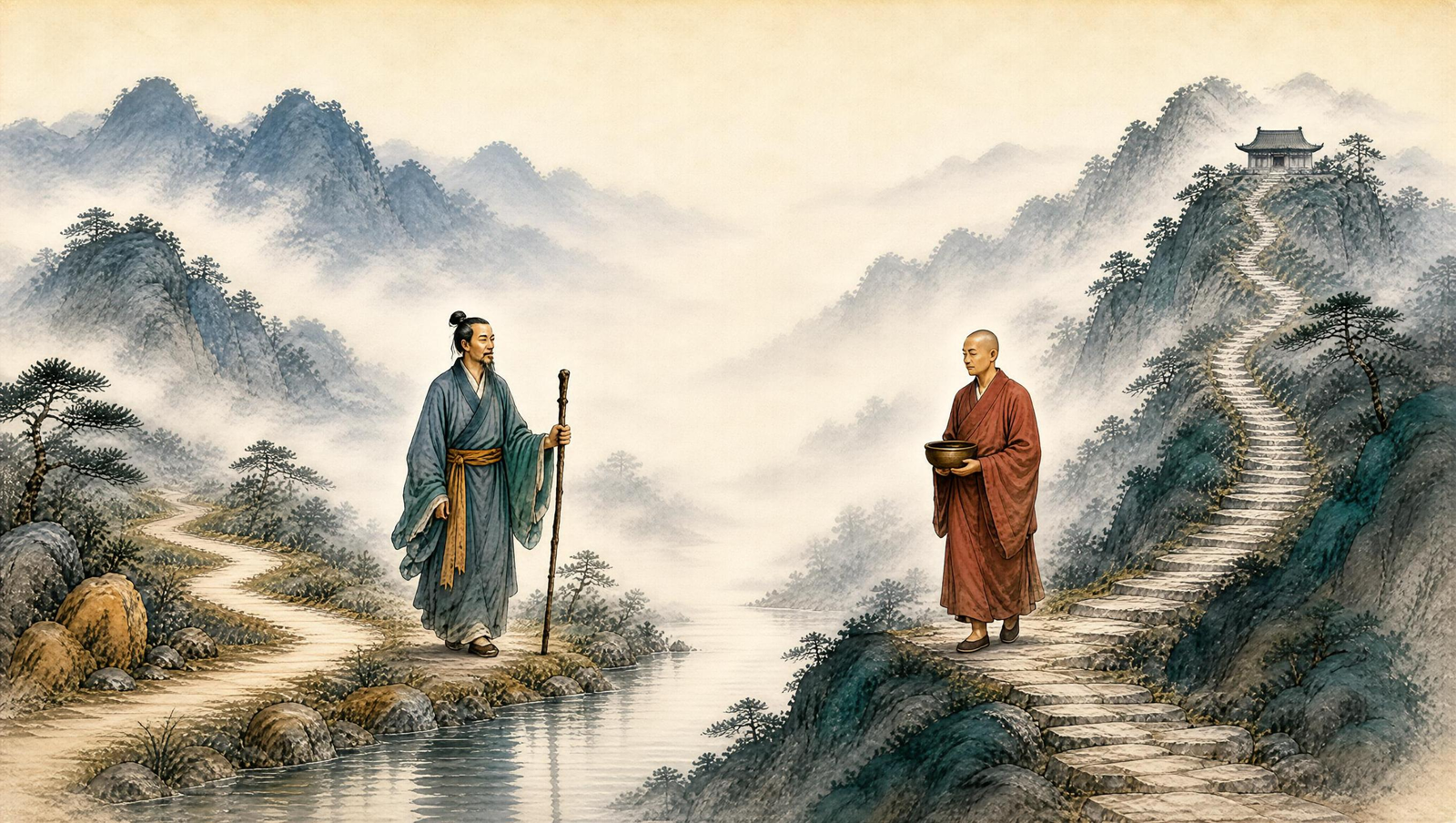
Taoism vs Buddhism is the comparison every newcomer to Chinese religion eventually asks, and the short answer is that they overlap in practice yet differ in aim. Taoism and Buddhism have grown side by side in China for nearly two thousand years, and they can look similar from the outside — both value stillness, both have monks and temples, both speak of letting go. But their centers of gravity differ. Buddhism focuses on the mind, on suffering, and on liberation from the cycle of rebirth. Taoism focuses on nature, on vitality, and on harmony with the Tao in this very life. Most Chinese practitioners have long drawn freely from both.
Where they agree
The overlap is real and explains why the two traditions blended so easily. Both teach that grasping and ego create suffering. Both train the mind through meditation. Both warn against a life spent chasing status and possessions. In the Tang dynasty, Buddhist and Taoist masters even exchanged techniques, and the resulting Chan (Zen) Buddhism borrowed a distinctly Taoist flavor of spontaneity. As the Journal of Daoist Studies observes, the two religions have "co-existed and cross-fertilized" across Chinese history (Journal of Daoist Studies).
How they differ on the goal of life
This is the heart of the split. Buddhism begins from the First Noble Truth — life is dukkha, often translated as suffering or unease — and aims at nirvana, the extinguishing of craving and the end of rebirth. Taoism begins from the abundance of the natural world and aims at living in flow with the Dao, here and now, with as much vitality and length as practice allows. One path leans toward departure from the wheel; the other leans toward a fuller turn of it. The difference is spelled out directly in our FAQ.
How they differ on practice
Buddhist practice centers on the Eightfold Path: right view, right intention, right speech, and so on, crowned by meditation and mindfulness that loosen the self's grip. Taoist practice centers on aligning with natural rhythm — sitting meditation and Qigong to move Qi, talismans and ritual to harmonize a household, diet and sleep timed to the seasons for longevity. Where Buddhism trains the mind to see through illusion, Taoism trains the body and breath to stay supple and charged. Both meet in the quiet hour of the morning; they simply call it by different names.
How they differ on the divine
Buddhism in its early form has no creator god; even its heavens are temporary stations. Taoism, by contrast, is rich with deities — the Three Pure Ones at the summit, the Jade Emperor in the celestial court, the Eight Immortals among mortals. These are not rivals to the Dao but its personified faces. If you want to meet them, the Pantheon introduces the highest triad of the Taoist cosmos.
Can you practice both?
Yes, and many people do. A devotee may chant a sutra in the morning and practice Qigong at dusk, or visit a Buddhist temple for funeral rites and a Taoist priest for a household blessing. The traditions themselves have rarely demanded exclusive loyalty in Chinese folk life. What matters is not the label but the result: a calmer mind and a life more in step with the way things are. In our own online temple we regularly meet seekers who keep a Buddhist altar at home yet consult a Taoist priest for timing, health, and household harmony — the two frameworks answer different questions rather than competing for the same one.
Closing takeaway
Buddhism asks how to end suffering; Taoism asks how to live in tune with the Way. Read What is Taoism? to start from the Taoist side, then explore the Three Pure Ones to see how the Taoist cosmos is populated.
Weekly wisdom, straight to your inbox
Essays, seasonal guidance, and energy insights - one letter a week, no noise.
DaoMind Pro
Read your own chart
Generate your full Ba Zi chart and elemental balance - the same data a practitioner opens with.
Open Destiny Atlas →