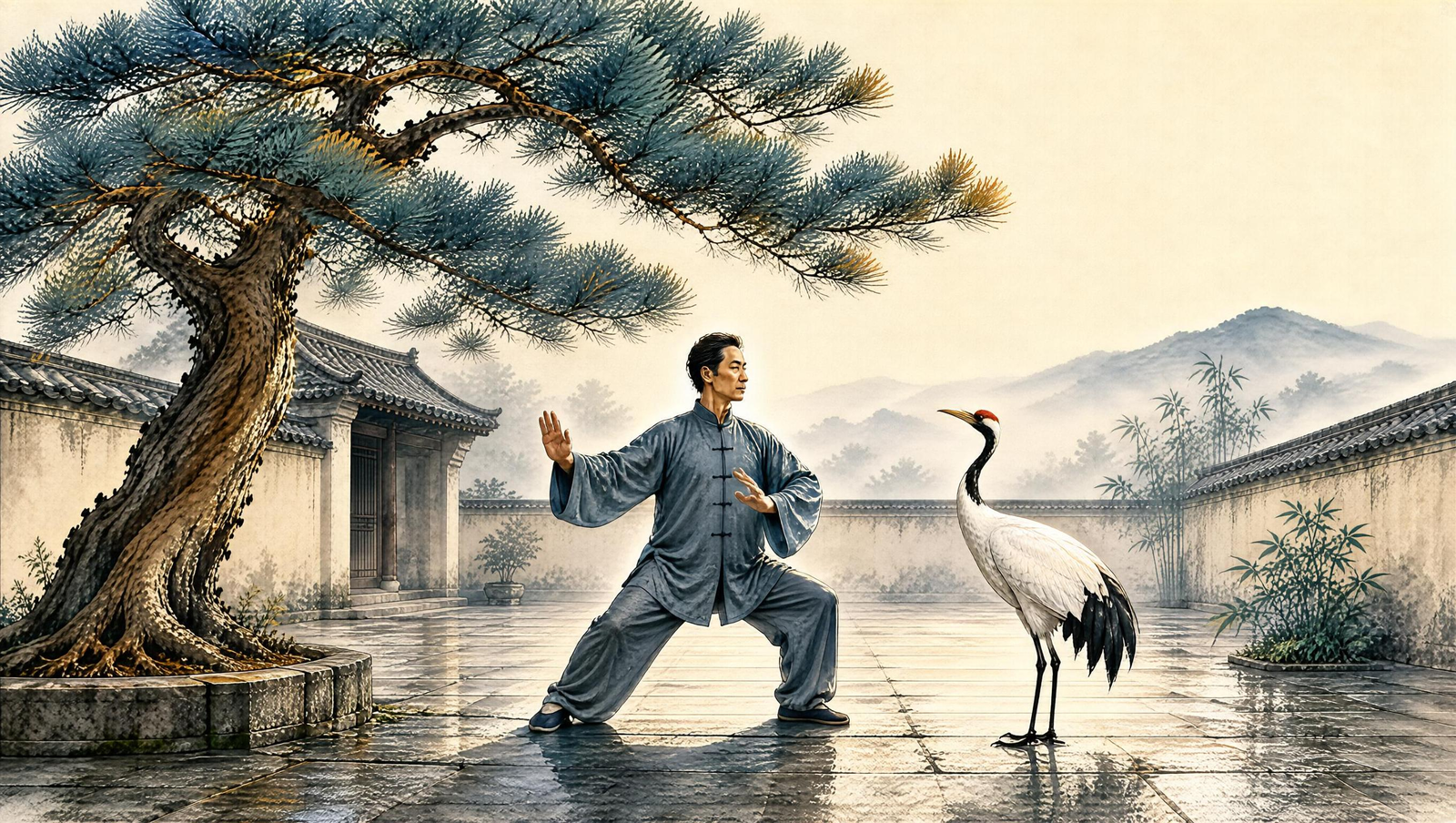
Yang sheng (養生), often translated as "nourishing life," is the Taoist art of cultivating health and longevity by living in step with natural rhythms. The short answer: yang sheng is a daily practice of balance — in diet, breath, movement, and mind — rather than a medical treatment. This guide explains what yang sheng is, its core principles, and how they connect to the wider Taoist path, referencing the China Taoist Association's 2026 emphasis on the "healthy inheritance of Taoism."
What is yang sheng?
Yang sheng literally means "to nourish life." It treats the body as part of nature's cycle, something to tend like a garden rather than repair like a machine. Rather than fighting decline, it aims to slow it through moderation. The idea is old and cross-cutting: it appears in the Huangdi Neijing (the Yellow Emperor's inner classic) and was adopted by Taoist lineages as the foundation of their health practice. The China Taoist Association's 2026 statement by Master Li Guangfu on "promoting the healthy inheritance of Taoism" frames exactly this — keeping the tradition's life-nourishing methods alive (taoist.org.cn, 2026).
Core principles of yang sheng
- Balance (平衡): neither excess nor deficiency in food, work, sleep, or emotion. Balance is dynamic — it shifts with the seasons and with age.
- Breath and qi: gentle breathing and energy cultivation steady the nervous system; where qi flows smoothly, health follows.
- Rhythm: sleeping and eating with the sun and seasons, so the body's clock stays aligned with the larger one.
- Simplicity: uncluttered days lower stress; yang sheng treats a calm schedule as part of the medicine.
These map onto the five elements model and feed Taoist health and longevity methods directly.
Yang sheng through the four seasons
Classical yang sheng is seasonal. Spring is for rising early and gentle stretching, matching the outward push of growth. Summer adds slightly later rest and attention to the heart. Autumn turns toward earlier sleep and protecting the lungs from dryness. Winter is storage: more sleep, warmer food, less strain. The instruction is never rigid — it is a default posture that you adjust to your own constitution.
Yang sheng in practice
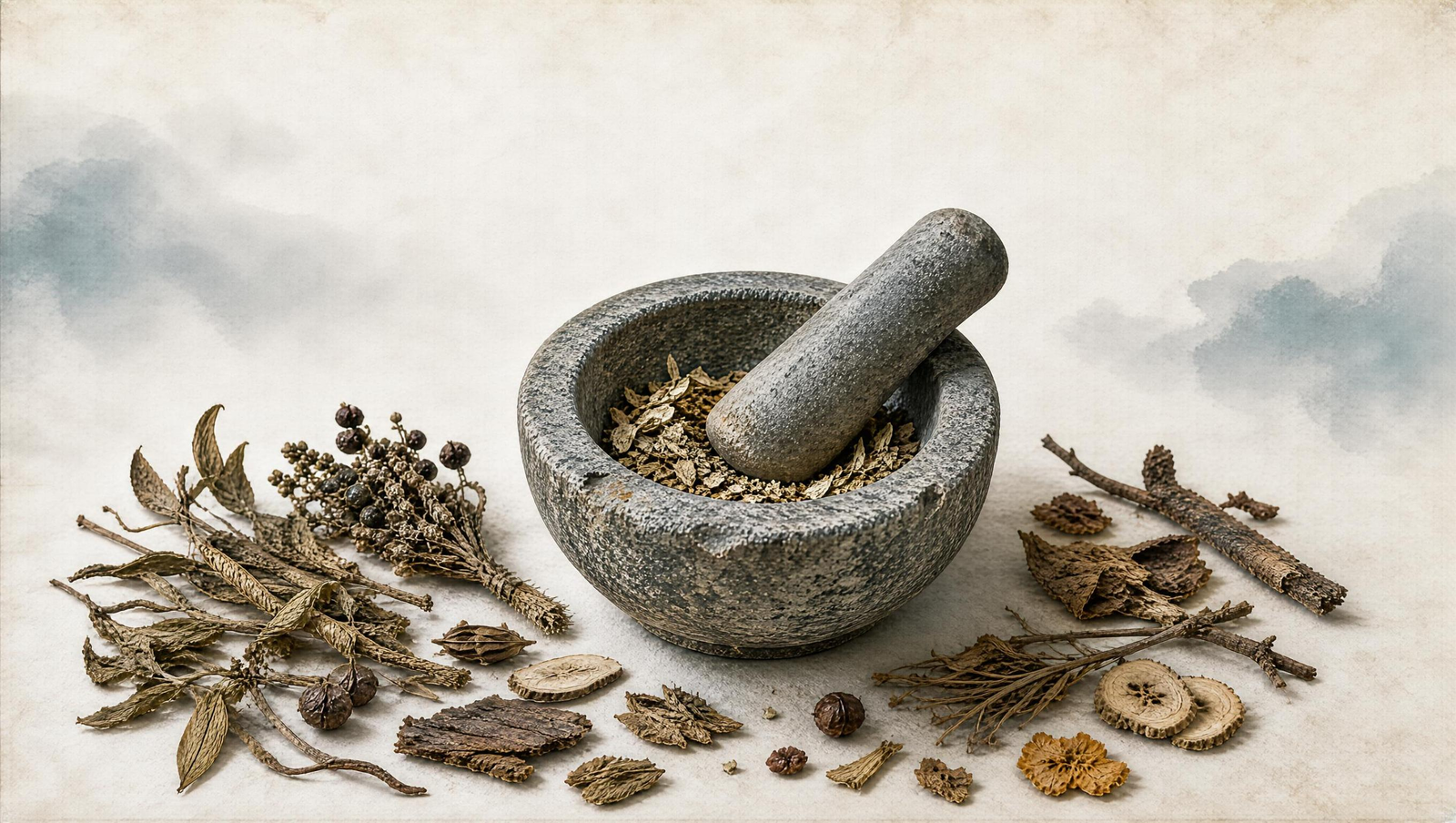
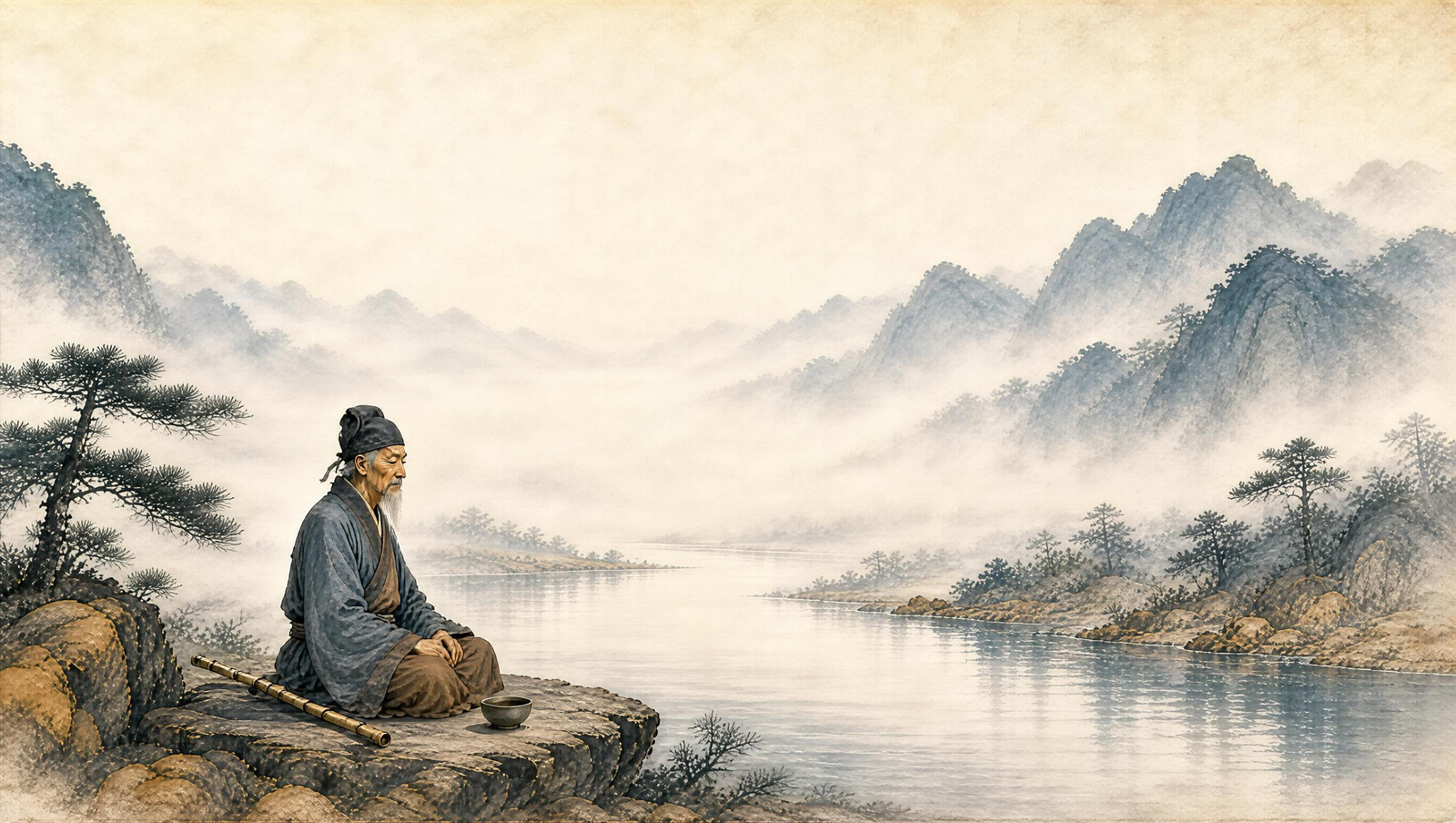
A simple daily routine — waking early, stretching, plain warm meals, an evening foot soak, five minutes of seated breathing — is yang sheng in miniature. It also pairs with internal alchemy (neidan), where breath and posture refine the body's energy over time. None of it requires equipment or a teacher to begin; the tradition prizes what is ordinary and repeatable.
Food and sleep: the two pillars
If yang sheng had only two levers, they would be food and sleep. The classical advice is food that is warm, simple, and stopped before fullness, and sleep that begins before midnight so the body can follow the sun's descent. Modern habits invert both, which is why yang sheng teachers start almost every consultation there. For signs that your energy is already out of balance, see our article on blocked qi.
Yang sheng and spiritual diagnosis
Yang sheng overlaps with Taoist spiritual diagnosis, where imbalance is read early and corrected gently. The aim is never a dramatic cure but a steady, quiet baseline — exactly what the Dao recommends. Correction might be dietary, environmental (Feng Shui), or habitual, depending on where the pattern has slipped.
Does it replace medicine?
Modern readers often ask whether yang sheng conflicts with medicine. It does not; it is complementary prevention. The China Taoist Association frames it as cultural heritage worth preserving — a way of living that reduces the conditions for illness — not as a replacement for care. When you are sick, see a doctor; yang sheng is what you do the rest of the time.
Why it fits the Dao
Yang sheng is applied Dao: wu wei turned into a lifestyle. You stop forcing the body and start listening to it. The FAQ on Taoist health and longevity answers common beginner questions.
Key takeaways
- Yang sheng is the Taoist art of nourishing life through balance.
- It works via breath, rhythm, food, sleep, and simplicity — not force.
- It is seasonal and preventive, adjusting with the year and your constitution.
- It complements medicine rather than replacing it.
- It is the practical face of living with the Dao.
每週智慧,直送你的電郵
隨筆、時令指引與能量洞察——每週一信,絕無雜訊。