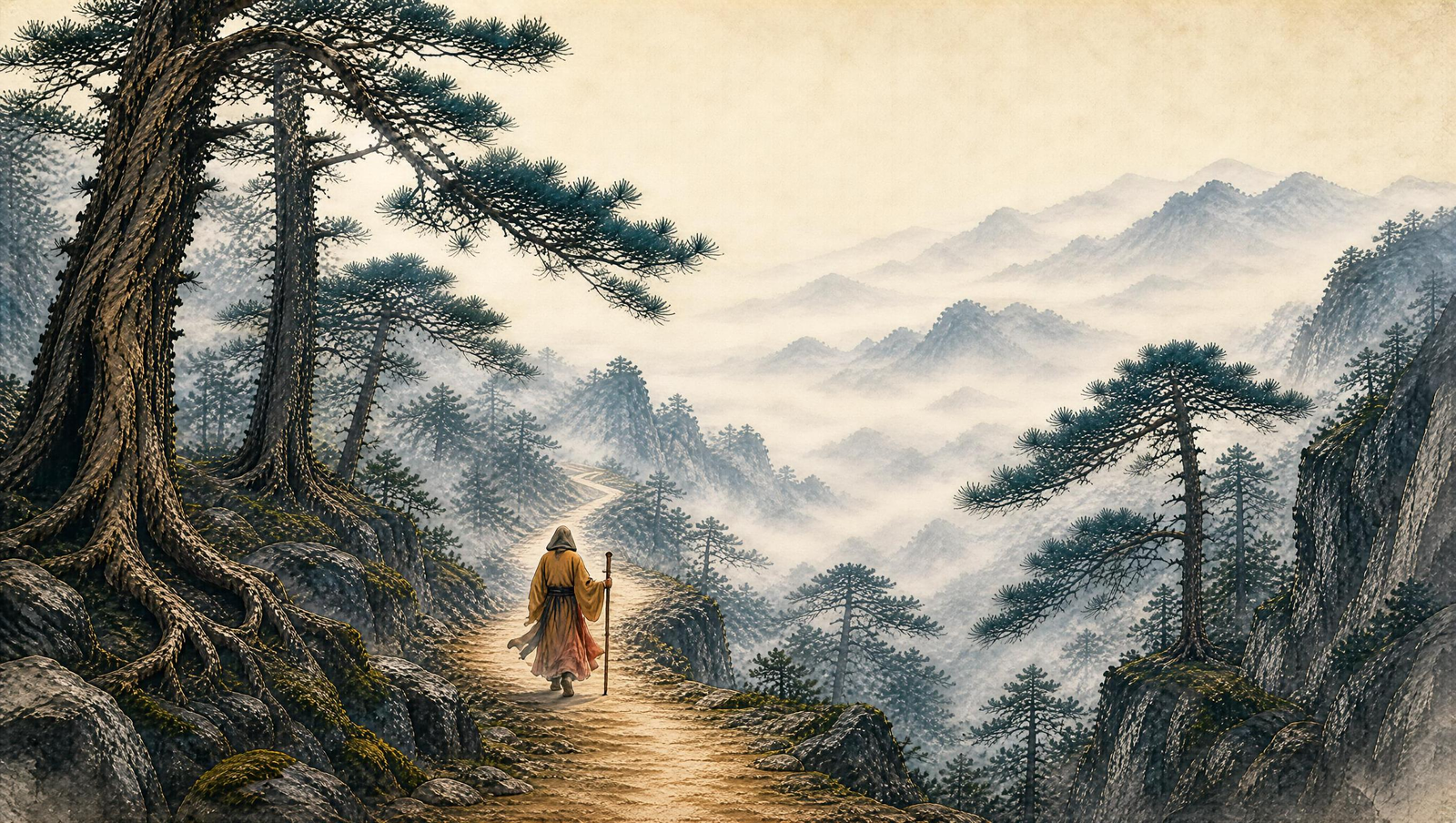
Dao (also spelled Tao) is the central idea of Taoism: the nameless, formless source and underlying pattern of everything that exists. If you are new to Taoism, the fastest answer is this — Dao is not a deity you worship, but the natural way the universe unfolds, and learning to live in tune with it is the heart of the Taoist path. This article explains what Dao means, how it differs from a god, and why it still matters for daily life, drawing on official statements from the China Taoist Association source.
What does "Dao" actually mean?
The Chinese character 道 (dào) originally meant "road" or "way." In Taoism it expanded into "the Way" — the spontaneous, self-generating order of reality. The Tao Te Ching, attributed to Laozi, opens with the famous line: "The Dao that can be spoken is not the eternal Dao." That paradox tells us Dao is larger than any definition. It is both the origin of all things and the quiet rhythm they follow.
Dao is not a god
A common mistake is to treat Dao as a supreme deity. Classical Taoism has gods, immortals, and celestial hierarchies, but Dao itself sits beneath and beyond them. It is impersonal and uncreated. The China Taoist Association, in its public teaching materials, presents Dao as the principle that all beings arise from and return to — not as a person who answers prayers. This is why Taoist practice emphasizes alignment (shùn dào, 順道) rather than petition.
Dao and the Tao Te Ching
The Tao Te Ching (道德經) is the foundational scripture that names and explores Dao. According to official records from the Macao Taoist Association in 2025, communities still run student essay, calligraphy, and even song-writing contests built around the Tao Te Ching, showing how the text stays alive in practice (macaotaoist.org, 2025). For readers who want the doctrine in plain language, see our explainer on the Tao Te Ching and how Laozi and the Tao Te Ching fit together.
Dao in daily life
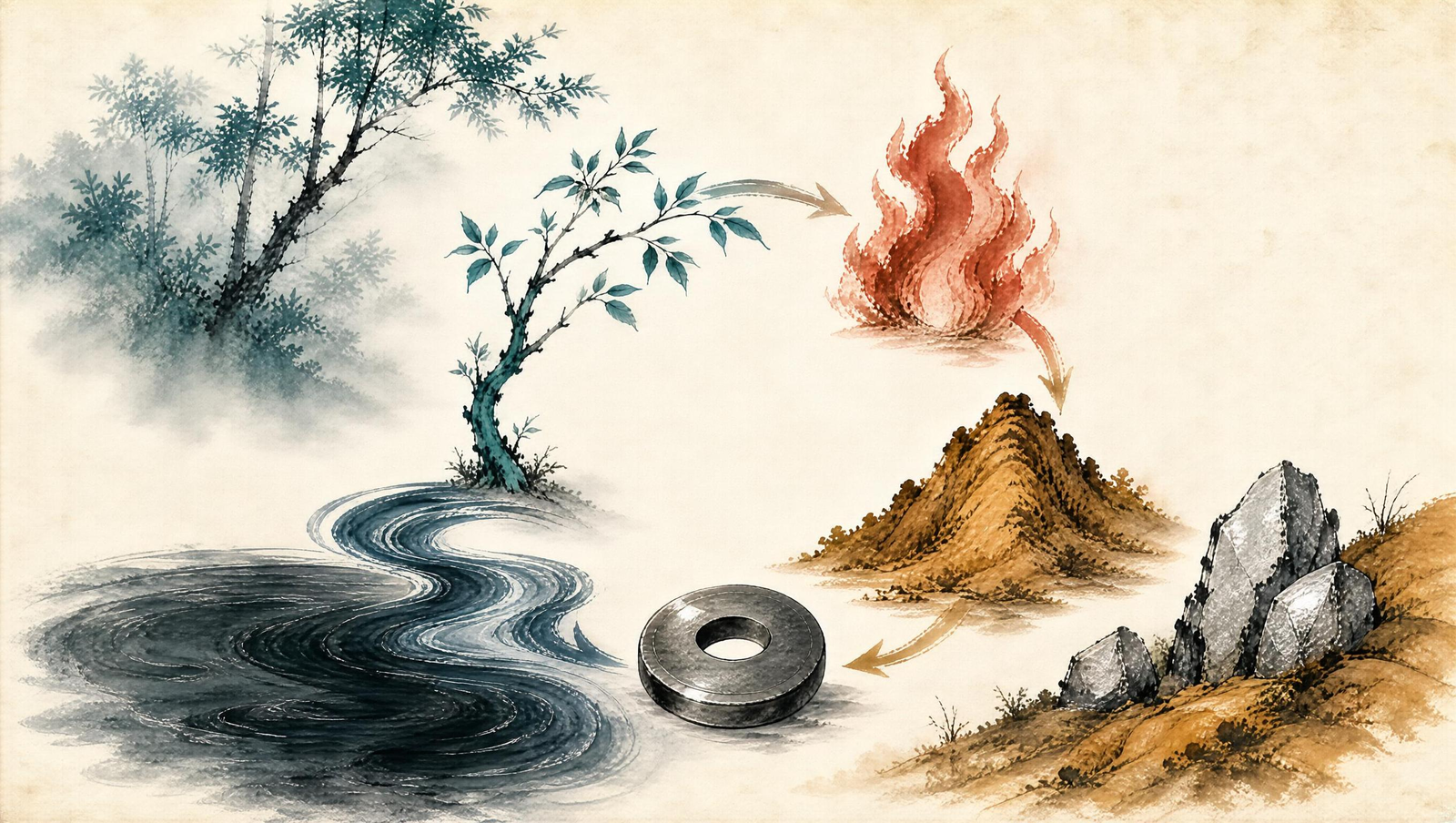
Living with Dao is practical, not mystical. It shows up as wu wei (無為) — not "doing nothing," but acting without forcing, like water finding its level. It appears in the Taoist view of the five elements and in Longmen (Dragon Gate) mind-method meditation. The China Taoist Association's 2026 scripture-lecture program (玄門講經) and its statement by Master Li Guangfu on "studying the spirit of the meetings to promote the healthy inheritance of Taoism" both frame Dao as something lived, not just studied.
How Dao guides Taoist practice
For a practitioner, Dao is the compass. It informs internal alchemy (neidan), where the body is refined in harmony with natural cycles, and it shapes a daily routine built around simplicity and balance. Even Taoist health and longevity methods are expressions of following Dao rather than fighting it.
Common questions about Dao
Many newcomers ask whether Dao contradicts modern life. It does not — it asks you to notice the current beneath the noise. If you want a structured introduction, the DaoMind FAQ on the Tao collects the most-asked questions.
Key takeaways
- Dao is the nameless source and pattern of reality, not a personal god.
- The Tao Te Ching is its classic expression; Laozi is its traditional author.
- Wu wei means acting in flow, not forcing outcomes.
- Taoist practice — meditation, alchemy, diet, routine — is alignment with Dao.
Understanding Dao is the first step into Taoism. The rest of the path is learning, through practice, to move with it.
每週智慧,直送你的電郵
隨筆、時令指引與能量洞察——每週一信,絕無雜訊。