Where ancient wisdom
meets the written word
Page 8 of 14
Taoist Pantheon
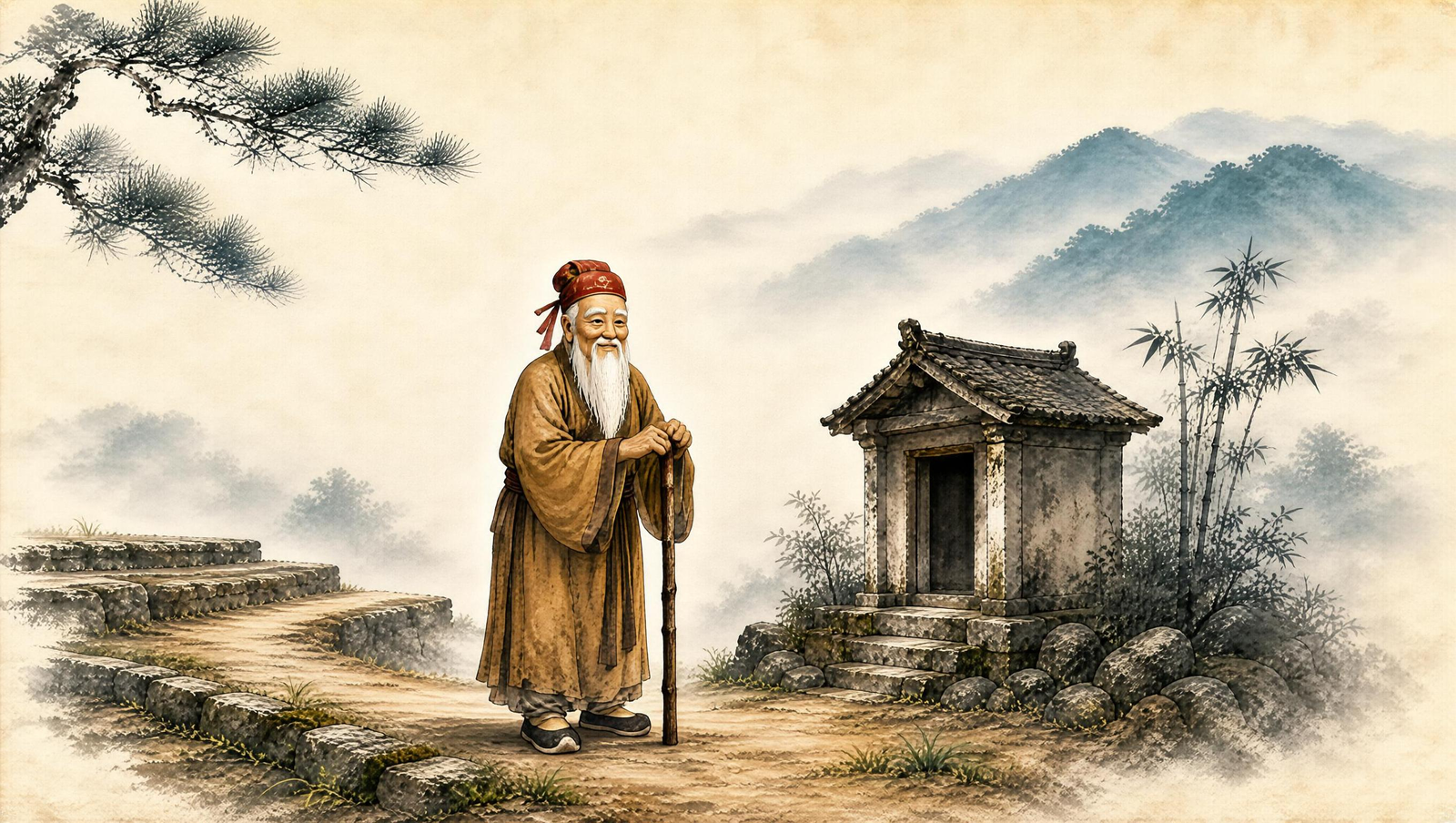
Tudigong: The Taoist Earth God
Tudigong, the Earth God, is Taoism's neighborhood guardian of land, harvest, and local peace. Learn his role, how he differs from city gods, and how households…
Sep 8, 2026 · 6 min read
philosophy
道與易經:同一道流的兩面鏡
道與易經並非爭奪同一真理的對手。道是萬物底下那道流的名字;易經則描繪這道流如何在變化中移動。兩者合觀,便說明道家為何以信任而非恐懼,去迎接無常。從不變之本到變易之象,本文分兩面說明二者如何互補,並給出可操作的日常練習。讀懂變與不變,便能在動盪中安住。
Sep 7, 2026 · 9 min read
philosophy
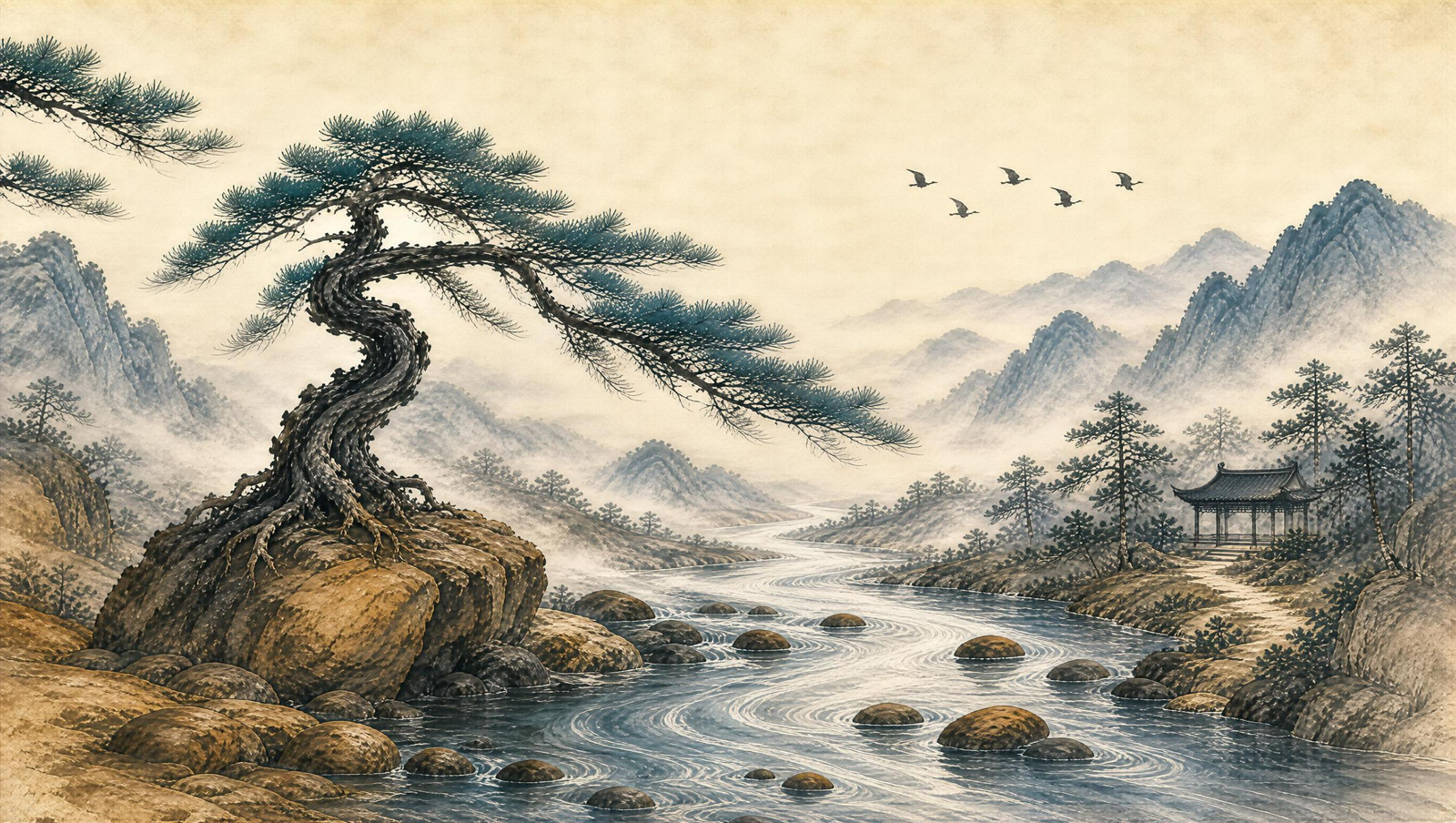
Dao and the I Ching: Two Lenses on the Same Current
The Dao names the current beneath all things; the I Ching maps how it moves through change. Together they show why Taoism meets flux with trust, not fear.
Sep 7, 2026 · 9 min read
feng-shui
風水與道教:風水如何為道服務
風水並非外加於道教的民間迷信,而是把道家「順應自然、調和氣場」的修行落實到空間布置之中。本文從氣的流轉、五行的生剋到無為的順應,說明風、水如何把普通房間轉化為承載道法的容器;風水本就是道在空間中的顯現,並指出這態度如何落實於日常。從玄關到臥室,皆可由此調和。
Sep 7, 2026 · 8 min read
feng-shui
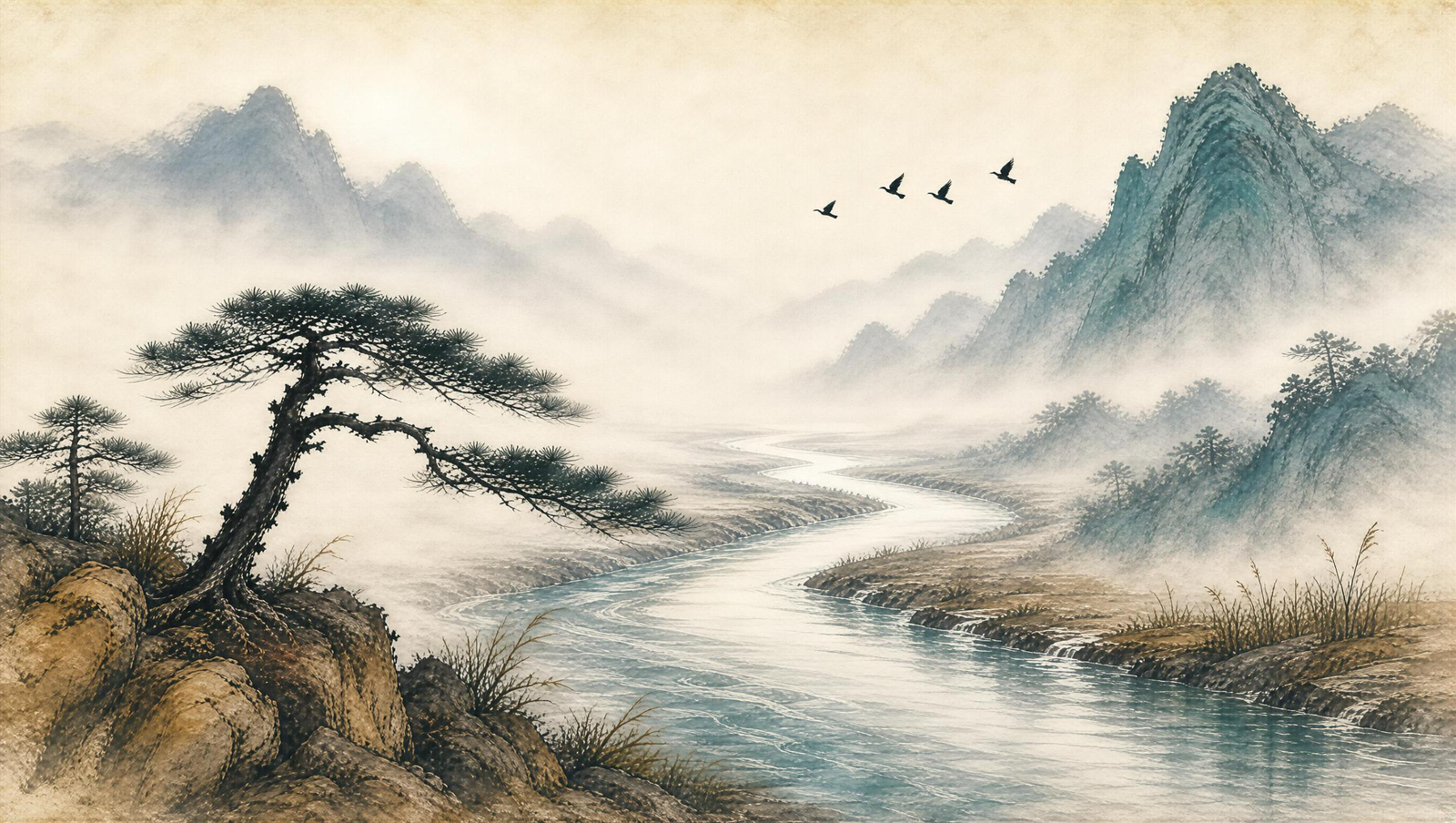
Feng Shui and Taoism: How Wind and Water Serve the Way
Feng Shui is not a layer of folk superstition pasted onto Taoism from outside. It is Taoist practice turned toward space - the same Qi, balance, and Wu Wei
Sep 7, 2026 · 8 min read
Taoist Practices
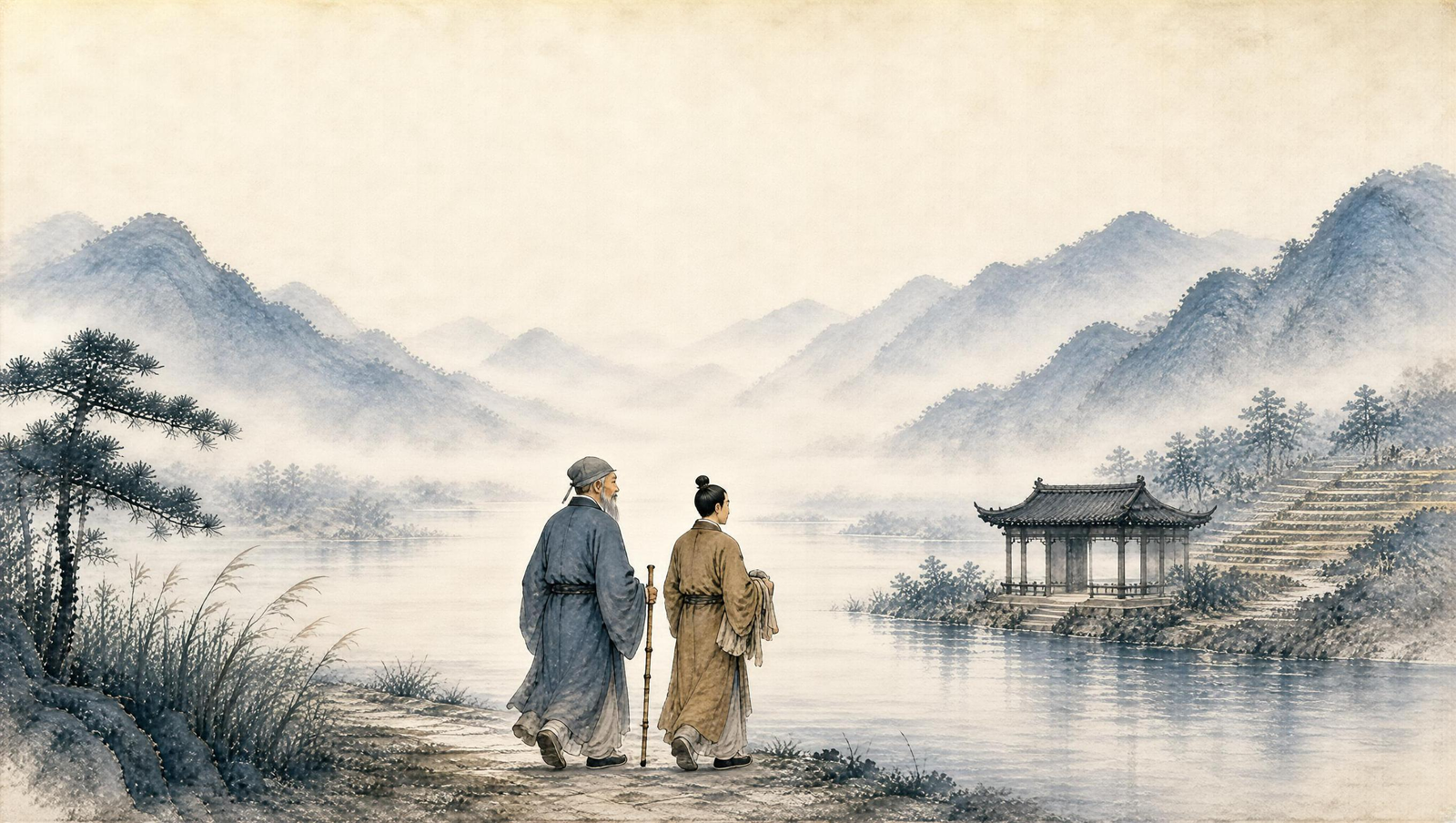
道與科儀:儀式如何體現道
科儀是道教將無形之道轉化為具體修行的橋樑。當《道德經》說道不可名,科儀便給道一個身體:香、誦、手訣與信眾。從淨壇、迎神到送神,一場合度的科儀把個人發心轉為與道相和的共修,使哲學被看見、被實踐、被代代相傳,也是信眾在節慶與平日裡敬奉大道、凝聚社群的方式,讓無名之道在形式中顯現。
Sep 6, 2026 · 6 min read
Taoist Practices
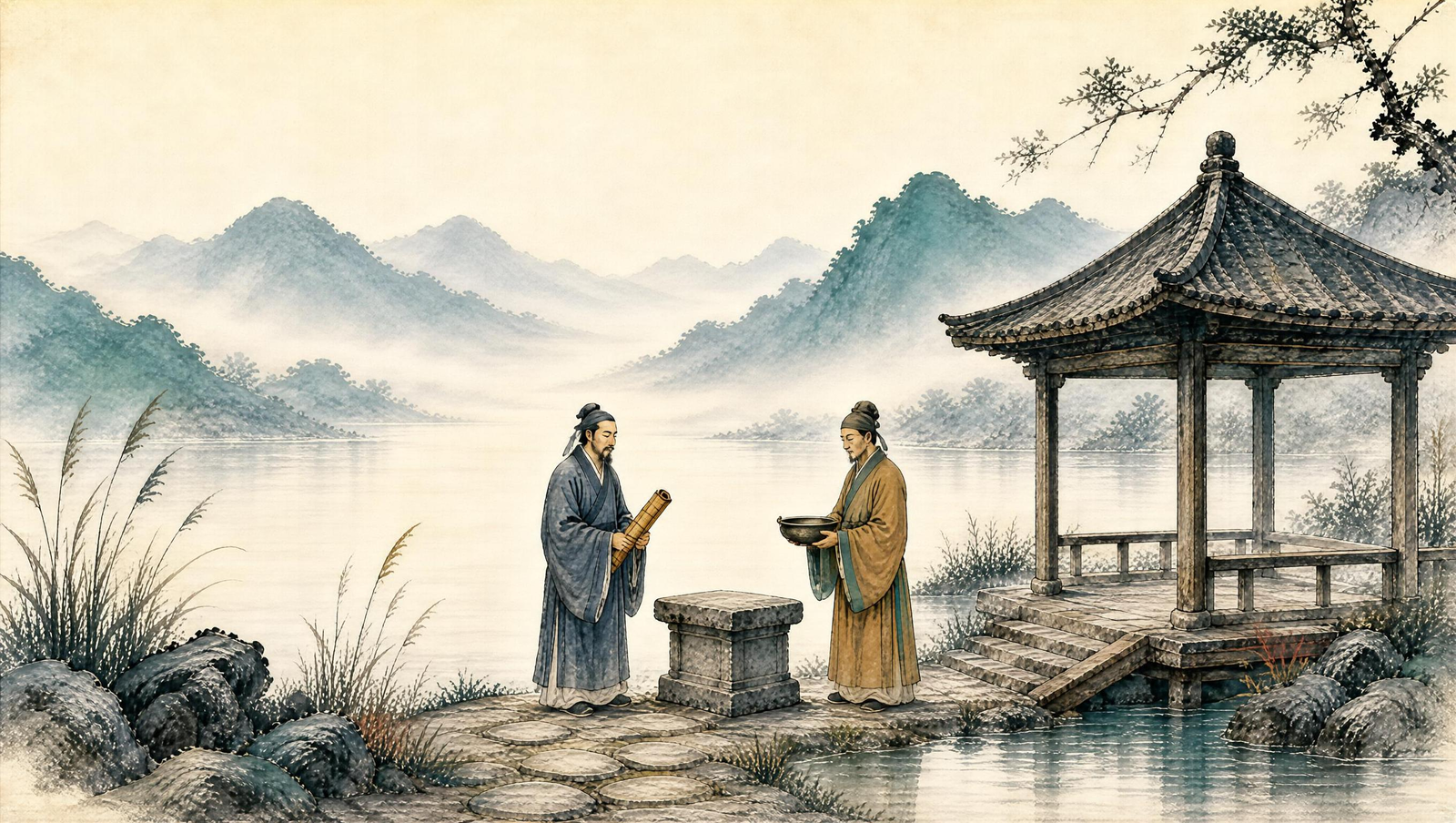
Dao and Ke Yi: How the Way Becomes Ritual
Ke Yi is how formless Taoist philosophy becomes living ritual - the structured ceremonies through which the Way is honored, taught, and made present.
Sep 6, 2026 · 6 min read
Taoist Practices
功德是什麼?道教中的功德與修行
功德是道教衡量一個人透過正確行為——布施、參與科儀、自我修行——所累積的功德與德行,據信會影響今生與來世的福報。它既是向外做的善事,也是向內成就的品格;透過功過格的自省與日常仁慈,人人都能逐步積下與道合真的功德,這正是順應道的日常修行功課,提醒我們德行重於花費、發心重於形式。
Sep 6, 2026 · 6 min read
Taoist Practices
What Is Gong De (merit) in Taoism?
Gong De is the Taoist measure of merit and virtue built through good deeds, ritual, and self-cultivation - believed to shape fortune in this life and the next.
Sep 6, 2026 · 6 min read
Taoist Philosophy
為什麼道教發展晚於佛教?
道教作為制度化宗教,其成形確實晚於佛教入華;但這是結構之別,而非智慧之別。道家哲學根源(老子、莊子)早於制度化的佛教,而佛教以完整僧團之姿傳入,促使道教隨之組織。約公元一四二年張道陵創立天師道,道教才建立自己的經藏、道職與科儀,與佛教並立兩千年,說明兩教並非競爭而是相互借鑒的本土與外來傳統。
Sep 6, 2026 · 6 min read
Taoist Philosophy
Why Did Taoism Develop Later Than Buddhism?
Taoism as an organized religion took clearer shape after Buddhism reached China - but this is about structure, not which wisdom is older.
Sep 6, 2026 · 6 min read
道教哲學
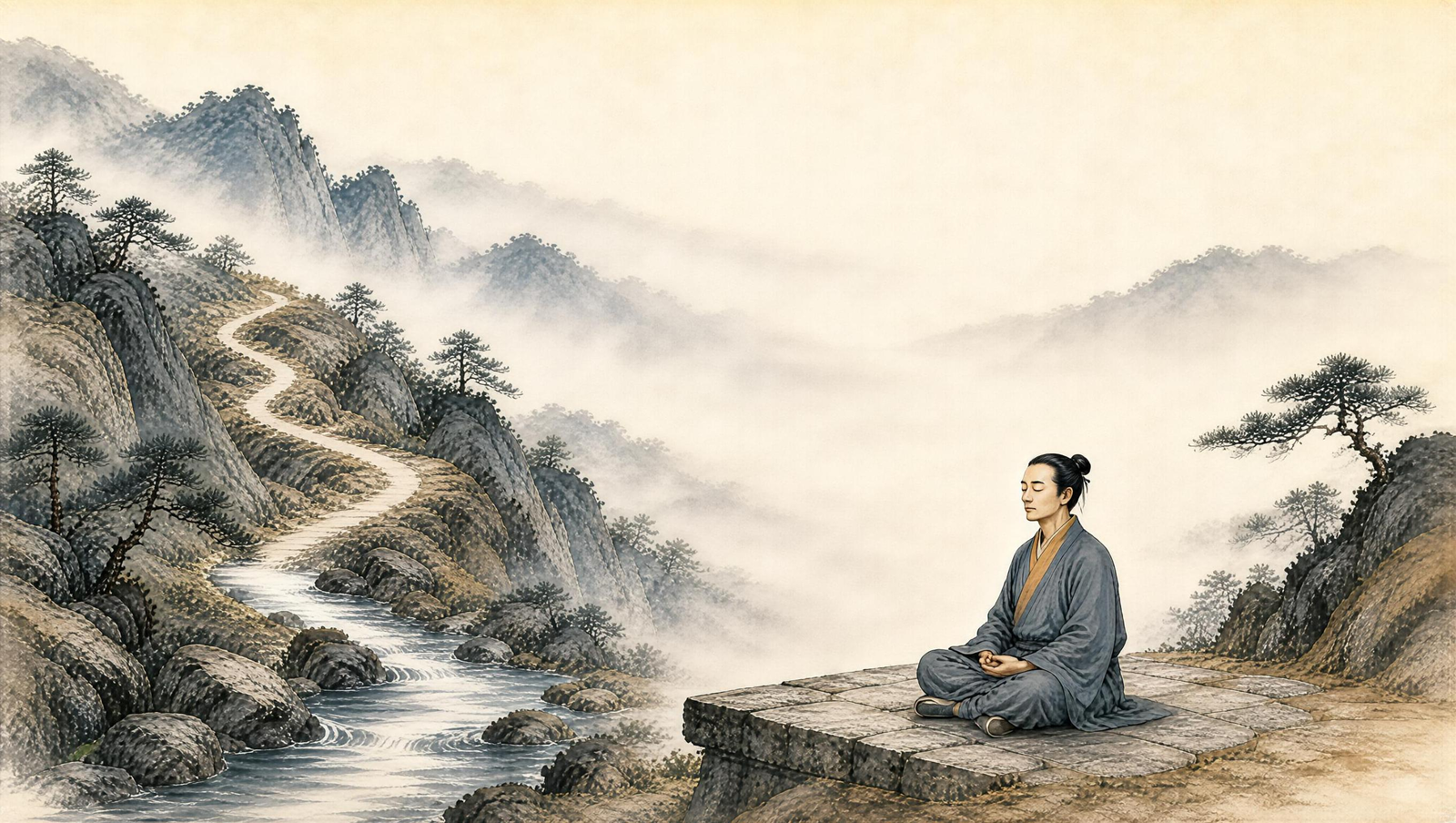
道與打坐:兩者有何不同?
打坐是道教修鍊的方法,道則是它所指向的真實。兩者常被混為一談:道是萬物之下的自然秩序,打坐則是靜下身心、讓這秩序被直接感知的功夫。本文釐清二者的分別、交會之處,說明一場簡單打坐如何一步步對應於道,並給出日常起步的方法、姿勢與常見誤區,提醒不要把修鍊方法誤認為目的。
Sep 5, 2026 · 8 min read
Weekly wisdom, straight to your inbox
One letter a week - seasonal guidance, essays, and energy insights. No noise, unsubscribe anytime.